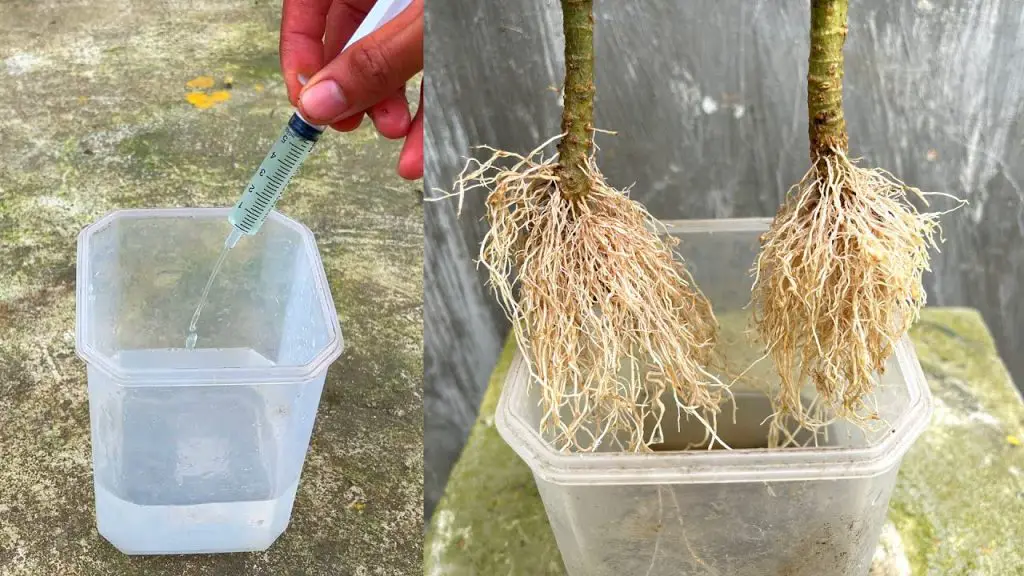
If you’re looking to propagate plants successfully, soaking cut branches in water is a time-tested method that can yield impressive results. This guide will show you how to effectively cut branches and soak them in water with a root stimulant to encourage healthy root development. Whether you’re propagating houseplants, shrubs, or trees, following these steps will help you achieve your gardening goals.
Why Use Water Propagation?
Water propagation is an easy and effective way to grow new plants. Here are a few reasons why you might choose this method:
- Visibility: You can easily observe root growth through clear containers.
- Simple Process: It requires minimal equipment and can be done indoors or outdoors.
- Success Rate: Many plants root successfully in water, making it a reliable propagation method.
Materials Needed
Before you begin, gather the following materials:
- Healthy Plant: Choose a healthy plant from which to take cuttings.
- Sharp Pruning Shears or Scissors: Ensure they are clean to prevent disease.
- Clear Container: A glass or jar works well for water propagation.
- Water: Use room-temperature water, preferably distilled or rainwater.
- Root Stimulant: This can be a commercial product or natural options like honey or cinnamon.
Steps to Cut Branches in Water
1. Selecting the Right Branch
Choose a healthy branch that is free from disease and pests. Look for a branch that is:
- Young and Flexible: Younger branches root better than older, woody ones.
- At Least 4-6 Inches Long: Longer cuttings generally provide better rooting potential.
2. Cutting the Branch
Using your sharp shears:
- Make a Clean Cut: Cut just below a leaf node at a 45-degree angle. This increases the surface area for water absorption and rooting.
- Remove Lower Leaves: Strip off the leaves from the bottom half of the cutting to prevent rot and ensure the cutting fits well in the container.
3. Prepare the Container
- Fill the Container: Pour room-temperature water into your clear container, filling it about halfway.
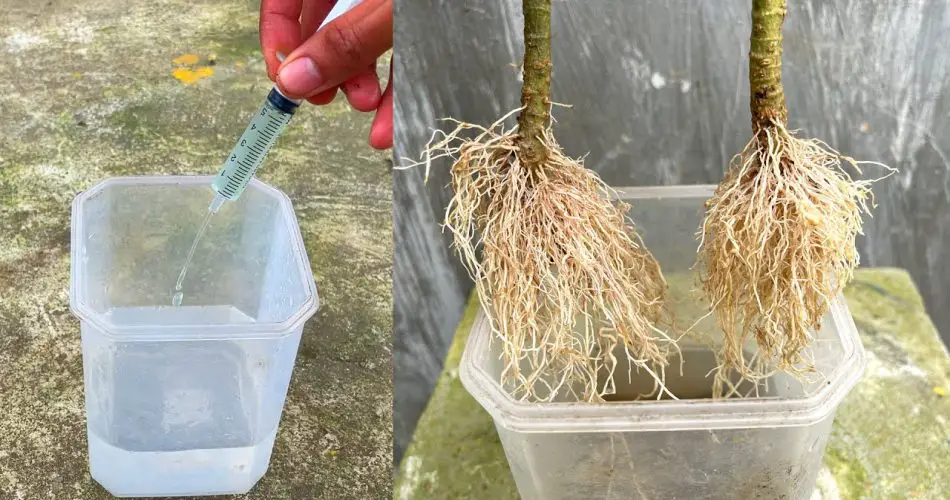
- Add Root Stimulant: If using a commercial root stimulant, follow the instructions on the label. For natural options, dissolve a small amount of honey or sprinkle cinnamon in the water to promote rooting.
4. Soaking the Cut Branches
- Place the Cutting in Water: Submerge the cut end of the branch in the water, ensuring that at least one or two leaf nodes are underwater. This is where the roots will develop.
- Avoid Leaf Contact with Water: Ensure that no leaves are submerged in the water to prevent rot.
5. Provide the Right Environment
- Light: Place the container in a bright location with indirect sunlight. Direct sunlight can heat the water and harm the cutting.
- Temperature: Maintain a warm environment, ideally between 65°F and 75°F (18°C – 24°C).
6. Monitor and Change the Water
- Check Water Levels: Ensure the water level remains consistent. Top up with fresh water if it evaporates.
- Change the Water Regularly: Change the water every few days to prevent stagnation and algae growth.
7. Watch for Roots
- Patience is Key: Depending on the plant type, roots may take anywhere from a few days to a few weeks to appear.
- Signs of Root Growth: Look for small white roots emerging from the submerged end of the cutting.
8. Transplanting the Cuttings
Once the roots are a few inches long:
- Prepare a Potting Mix: Use a well-draining potting mix suitable for the plant type.
- Transplant: Carefully remove the cutting from the water and transplant it into a small pot filled with the potting mix, burying the roots gently.
- Water Well: Water the soil thoroughly after transplanting to help settle it around the roots.
Conclusion
Cutting branches in water and using a root stimulant is a straightforward method to propagate your plants successfully. By following these steps, you’ll encourage healthy root development and enjoy watching your new plants thrive. This method not only helps you expand your garden but also promotes a sustainable approach to plant care. Happy propagating!