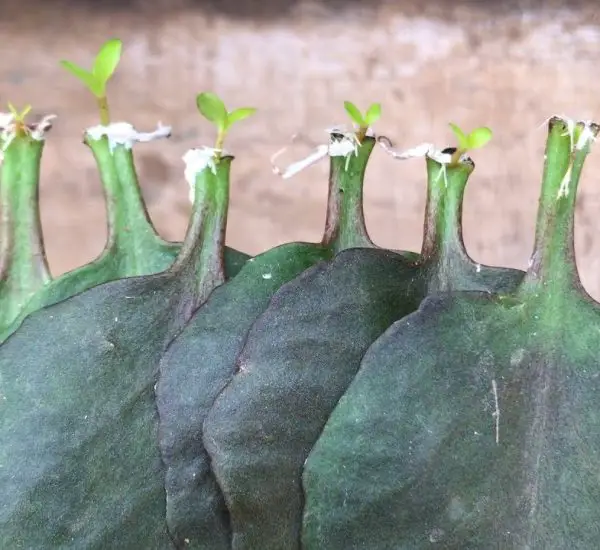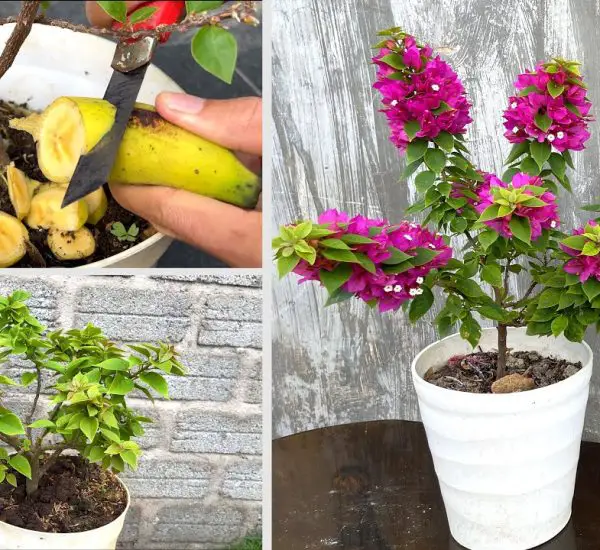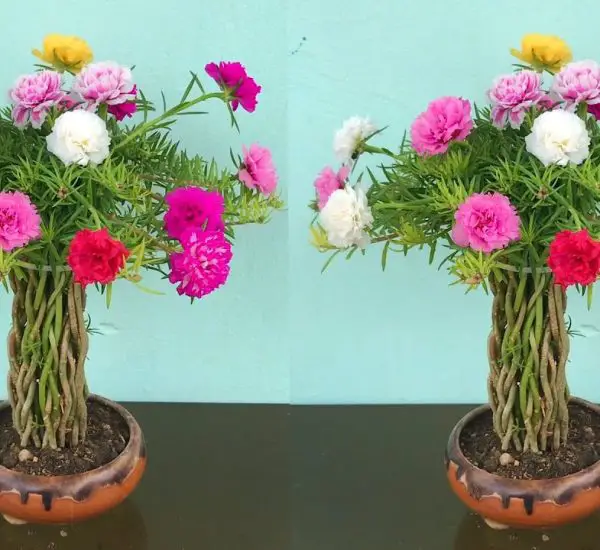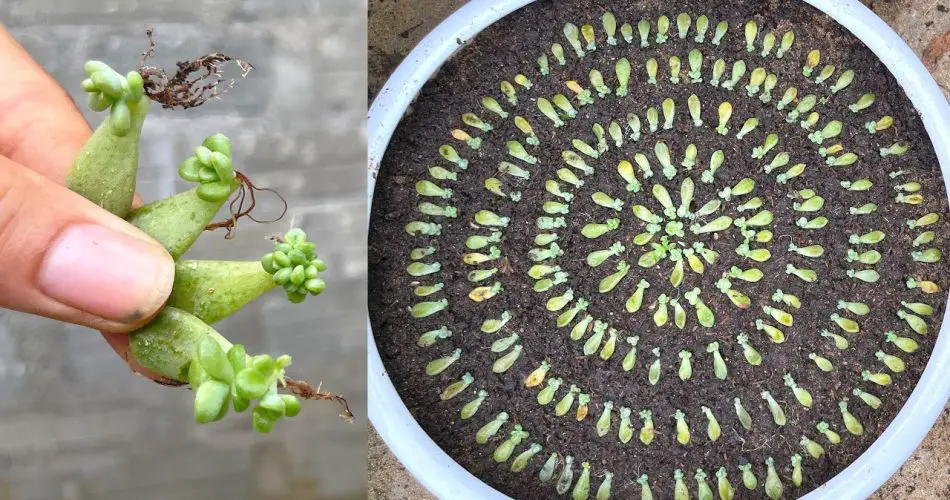
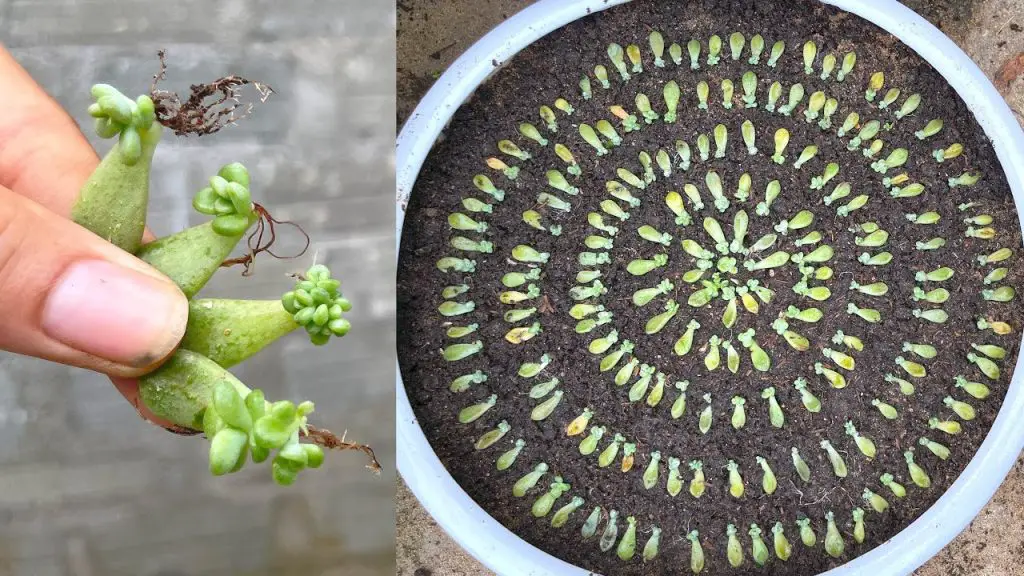
Have you ever dreamt of transforming your garden into a stunning oasis? Imagine planting 600 lotus leaves to create a breathtaking display! This idea not only showcases the beauty of lotus plants but also offers a unique opportunity to propagate your succulents. Let’s delve into this inspiring concept and explore how to successfully propagate your plants for a thriving garden.
Why Choose Lotus Leaves?
The lotus plant is renowned for its stunning beauty and unique ability to thrive in water. Here are a few reasons why planting lotus leaves can be a fantastic addition to your garden:
1. Aesthetic Appeal
- Stunning Blooms: Lotus flowers are known for their beautiful, large blooms that can add a pop of color and elegance to any garden.
- Symbolism: In many cultures, the lotus represents purity, enlightenment, and rebirth, making it a meaningful addition to your space.
2. Eco-Friendly Gardening
- Water Filtration: Lotus plants can help filter and clean the water in ponds, contributing to a healthier ecosystem.
- Habitat Creation: Planting lotus leaves can create habitats for various aquatic life, enhancing biodiversity in your garden.
How to Propagate Succulents and Lotus Leaves
Planting 600 lotus leaves may seem daunting, but with the right techniques, you can successfully propagate both lotus and succulent plants. Here’s a step-by-step guide to get you started:
1. Preparing Your Materials
- Lotus Seeds or Rhizomes: Start with healthy lotus seeds or rhizomes. If using rhizomes, ensure they have at least one healthy leaf node.
- Succulent Cuttings: For your succulents, gather healthy cuttings from mature plants. Make sure they are disease-free and strong.
2. Propagating Lotus Leaves
- Choose the Right Container: Use a shallow container filled with nutrient-rich, loamy soil or a pond liner filled with water.
- Planting: If using seeds, plant them about 2 inches deep. If using rhizomes, place them horizontally in the soil, ensuring the leaf nodes are facing upward.
- Watering: Keep the soil moist but not waterlogged. If growing in water, ensure that the rhizomes are submerged to a depth of about 4 inches.
3. Propagating Succulents
- Cutting Preparation: Allow the succulent cuttings to callus over for a day or two. This helps prevent rot when planted.
- Soil Selection: Use a well-draining soil mix, ideally formulated for succulents or cacti.
- Planting: Insert the callused end of each cutting into the soil, making sure it is secure.
- Watering: Lightly water the soil after planting, then allow it to dry out completely before watering again. This helps prevent overwatering, which can be detrimental to succulents.
4. Providing the Right Environment
- Sunlight: Place both lotus and succulent plants in a location with plenty of sunlight. Lotus plants thrive in full sun, while succulents prefer bright, indirect light.
- Temperature and Humidity: Maintain a warm and humid environment for the lotus leaves, while succulents prefer drier conditions.
5. Caring for Your Plants
- Regular Maintenance: Monitor water levels for lotus plants and check the soil moisture for succulents. Fertilize as needed with a balanced plant food, particularly during the growing season.
- Pest Control: Keep an eye out for pests and treat them promptly with organic solutions to ensure healthy growth.
Conclusion
The idea of planting 600 lotus leaves is not just a dream; it’s a feasible project that can bring immense beauty and tranquility to your garden. By incorporating the propagation of succulents alongside lotus leaves, you create a diverse and vibrant space. Embrace the journey of gardening, and let your creativity flourish as you cultivate these stunning plants. With patience and care, you can transform your garden into a mesmerizing oasis that reflects your passion for nature!