Adenium, commonly known as the Desert Rose, is a striking and hardy plant that thrives in dry conditions, making it perfect for warm climates or as an indoor plant. If you’re looking to propagate or grow more Adenium plants, extracting healthy and strong roots is a crucial step. In this article, we will guide you through the simple process of extracting abundant roots from your Adenium plant, ensuring the best chances for successful growth.
Why Extract Adenium Roots?
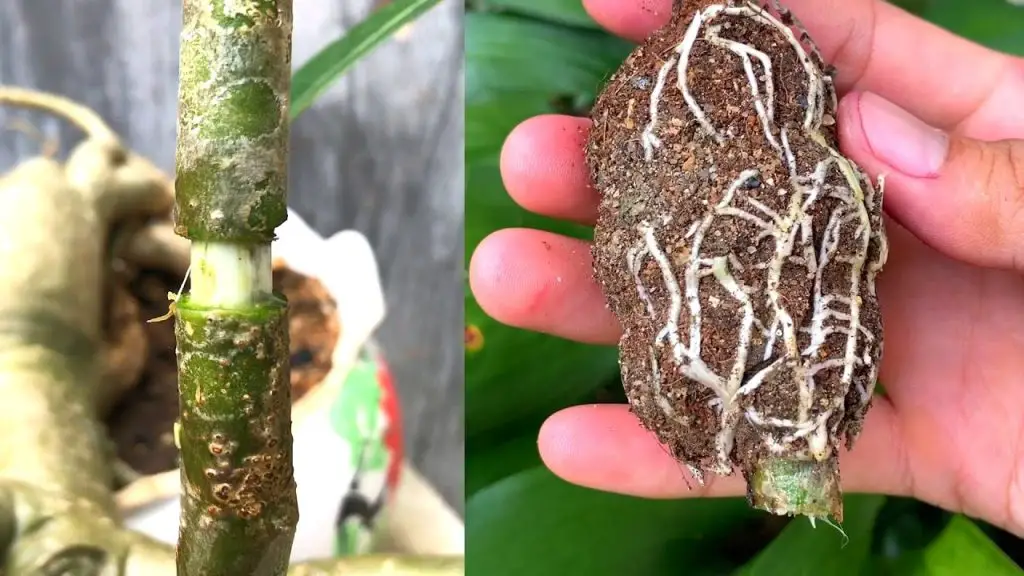
Extracting roots from your Adenium plant serves several purposes:
- Propagation: By extracting roots, you can propagate new plants from the healthy cuttings.
- Rejuvenation: If your Adenium plant has become too leggy or overcrowded, extracting and repotting the roots can help it grow stronger and more compact.
- Healthier Plants: Root extraction can also help identify and remove any diseased or rotten roots, allowing the plant to thrive.
This method ensures you get abundant and healthy roots that will help your Adenium grow even better!
How to Extract Adenium Plant Roots: Step-by-Step Guide
Step 1: Choose the Right Adenium Plant
Start by selecting a healthy Adenium plant. The ideal plant for root extraction should have mature stems and a strong base. Avoid plants that appear wilted or overwatered, as they may not yield good results.
Step 2: Gather the Necessary Tools
To make the extraction process smooth and effective, you’ll need the following tools:
- Sharp pruning shears or a knife for cutting the roots.
- A clean container for the extracted roots.
- A well-draining potting mix for replanting.
- Optional: Rooting hormone to encourage faster root growth.
Step 3: Remove the Plant from the Pot
Gently remove the Adenium plant from its pot, ensuring you don’t damage the plant. If the plant is stubborn, tap the sides of the pot or use your fingers to loosen the root ball. Carefully lift the plant out and set it on a flat surface.
Step 4: Examine and Clean the Roots
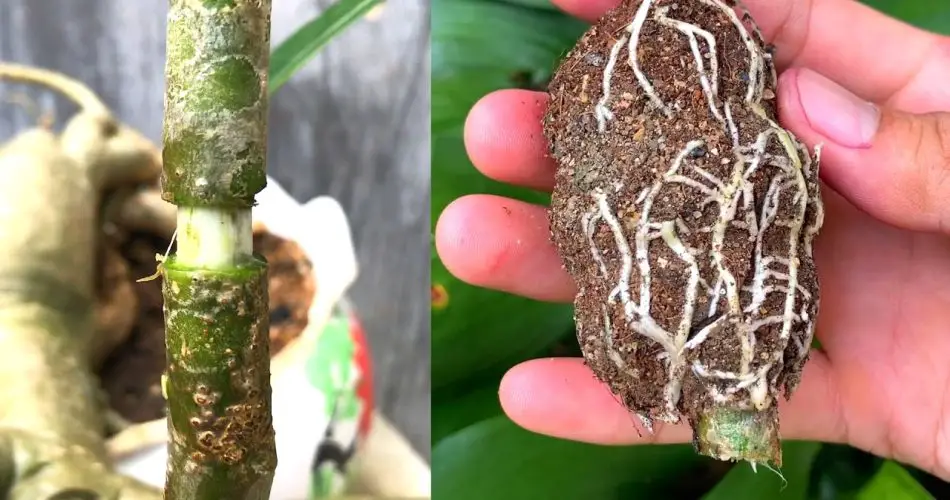
Once the plant is out of its pot, carefully examine the root system. Healthy roots should appear white or light tan, with a firm texture. Remove any damaged, rotten, or soft roots by cutting them off with clean, sharp shears. These unhealthy roots can be a source of disease and will hinder the plant’s growth.
Use your hands to gently loosen any tangled or compacted roots. If the plant has been in the pot for a long time, the roots may be tightly bound and need a little extra care to separate.
Step 5: Trim and Prepare the Roots for Propagation
Once you’ve removed any unhealthy or excess roots, you can trim the remaining roots to encourage new growth. Aim for a balanced root system with a few strong roots. If you’re propagating, consider taking a healthy stem cutting along with the roots. For best results, dip the cut end in rooting hormone before planting.
Step 6: Replant the Adenium
After extraction, it’s time to replant the Adenium in fresh, well-draining soil. A cactus or succulent mix works well, as it provides the drainage that Adenium plants need. Make a hole in the soil, carefully place the roots inside, and cover them with soil. Water lightly to settle the soil around the roots but avoid overwatering, as Adeniums are sensitive to excess moisture.
Step 7: Care for the Newly Planted Adenium
After replanting, place the Adenium in a bright, warm location with plenty of indirect sunlight. Keep the soil slightly moist, but make sure the plant is not sitting in water. Adeniums prefer a dry environment and will thrive with minimal watering.
Tips for Healthy Adenium Root Extraction
- Avoid Overwatering: Adeniums are sensitive to waterlogged roots. Make sure the soil drains well and avoid excessive watering.
- Use Sharp Tools: Clean and sharp tools will prevent unnecessary damage to the roots and ensure smoother extraction.
- Keep It Clean: After handling your Adenium, clean your tools and the plant’s roots to avoid transferring any disease.
- Be Patient: After extraction, allow the Adenium to settle and adjust to its new environment before making any major changes.
Benefits of Healthy Adenium Roots
- Abundant Blooms: Healthy roots mean that the plant can absorb more nutrients, leading to more abundant and vibrant flowers.
- Stronger Plant Growth: Well-maintained roots provide a stable foundation for stronger and healthier plants.
- Successful Propagation: By extracting and propagating healthy roots, you can grow more Adenium plants and enjoy their striking beauty all around your home.
Conclusion
Extracting roots from your Adenium plant may seem daunting, but it is a straightforward process that will lead to abundant growth and healthier plants. Whether you’re looking to propagate your Adenium or simply rejuvenate it, proper root extraction ensures a successful outcome. By following these simple steps and providing proper care, your Adenium will thrive and continue to grow vibrant flowers year after year. Happy gardening!