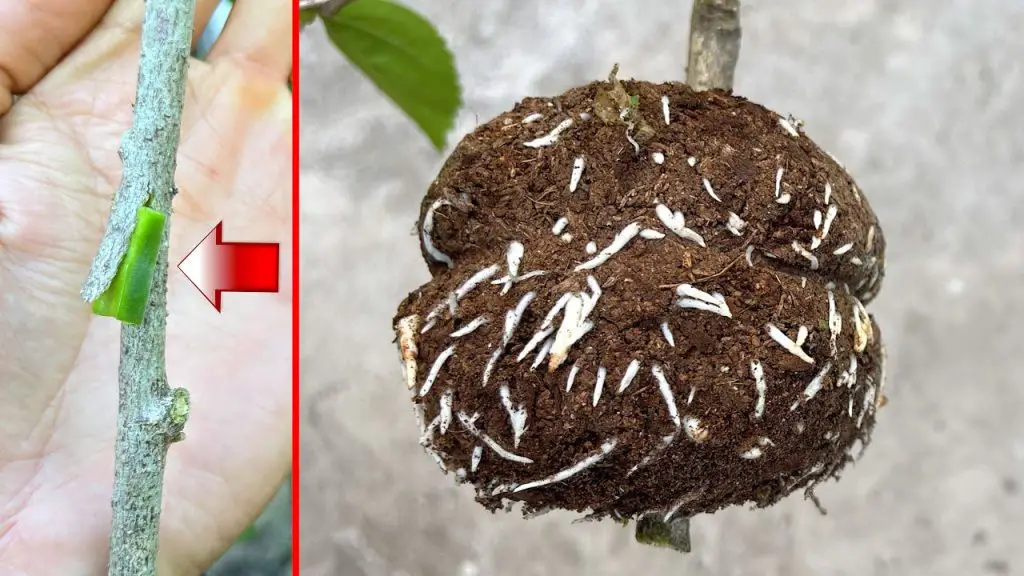
Breeding hibiscus flowers can be a rewarding experience, especially when combining them with the unique traits of cacti. This innovative approach not only enhances the beauty of your garden but also encourages the development of resilient and stunning plants. Here’s a comprehensive guide on how to extract hibiscus with cactus for successful breeding.
Why Combine Hibiscus and Cactus?
- Hybrid Vigor: Crossbreeding hibiscus with cactus can create hybrids that exhibit the best traits of both plants, including unique colors and increased hardiness.
- Unique Aesthetics: The combination of hibiscus and cactus can produce striking flowers and interesting growth patterns, adding diversity to your garden.
Materials Needed
To get started with breeding hibiscus flowers using cactus, you’ll need:
- Healthy Hibiscus Plant: Choose a vibrant, disease-free hibiscus.
- Cactus Cuttings: Select healthy cactus varieties that you wish to crossbreed.
- Sharp Knife or Pruning Shears: For clean cuts.
- Potting Mix: Well-draining soil suitable for both plants.
- Plastic Bags or Cling Film: To maintain humidity during the rooting process.
Step-by-Step Guide to Extracting Hibiscus with Cactus
1. Choose the Right Time
The best time for breeding is during the spring or early summer when both hibiscus and cactus are actively growing.
2. Prepare the Hibiscus
- Select a Healthy Flower: Look for mature hibiscus flowers that are ready to bloom.
- Remove Petals Carefully: Gently pluck the petals, exposing the reproductive parts (stamens and pistil).
3. Prepare the Cactus
- Take Cactus Cuttings: Use a sharp knife or pruning shears to cut a healthy segment from the cactus, about 4-6 inches long.
- Let it Callus: Allow the cut end of the cactus to dry and form a callus for a day or two to prevent rot.
4. Cross-Pollination
- Transfer Pollen: Using a small brush or cotton swab, collect pollen from the hibiscus flower and gently transfer it to the stigma of the cactus.
- Secure the Connection: Wrap the area where the two plants meet with plastic bags or cling film to maintain humidity and promote successful pollination.
5. Care for the Hybrid
- Watering: Keep the potting mix slightly moist but not soggy. Both hibiscus and cactus have different water needs, so find a balance.
- Light: Place the hybrid in a bright area with indirect sunlight to encourage growth.
6. Monitor Growth
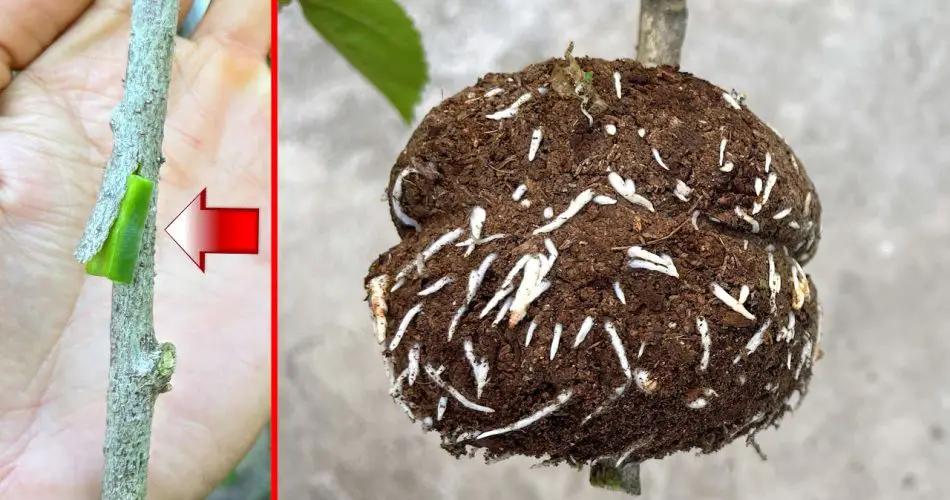
- Watch for Signs of Rooting: After a few weeks, check for root development. The cactus cutting should begin to show signs of growth.
- Transplant if Necessary: Once roots have formed, you can transplant your hybrid into a larger pot.
Conclusion
Breeding hibiscus flowers with cactus is a fascinating way to create unique and resilient plants for your garden. By following these steps, you can successfully extract hibiscus traits using cactus, resulting in beautiful hybrids that showcase the best of both worlds. Embrace this creative gardening technique and enjoy the vibrant blooms that will enhance your landscape! Happy gardening!