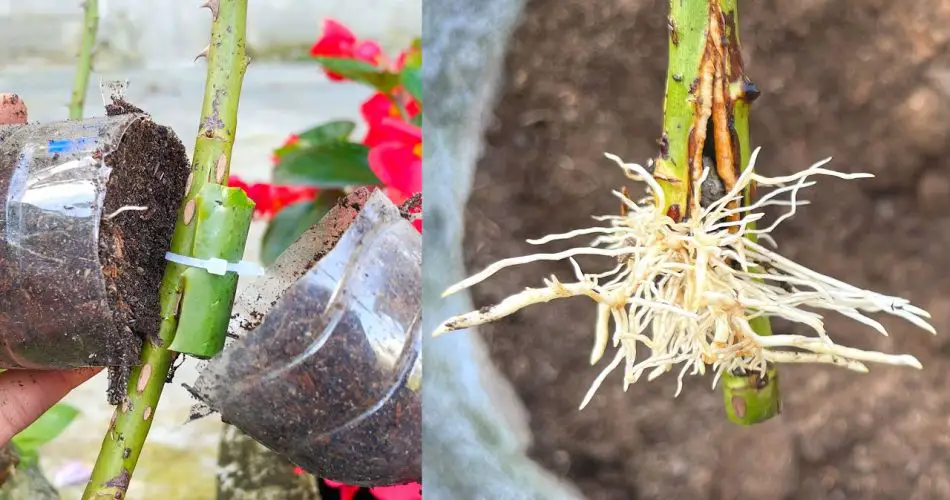
Rose plants are a beautiful addition to any garden, and propagating them is a rewarding experience. One of the most effective and natural ways to propagate roses is by using aloe vera leaves to help extract and encourage root growth in rose branches. Aloe vera, known for its healing properties, can also act as a powerful rooting stimulant for roses. In this article, we’ll guide you through the simple process of extracting rose branches using aloe vera leaves, ensuring a healthy start for your new plants.
Why Use Aloe Vera for Rose Propagation?
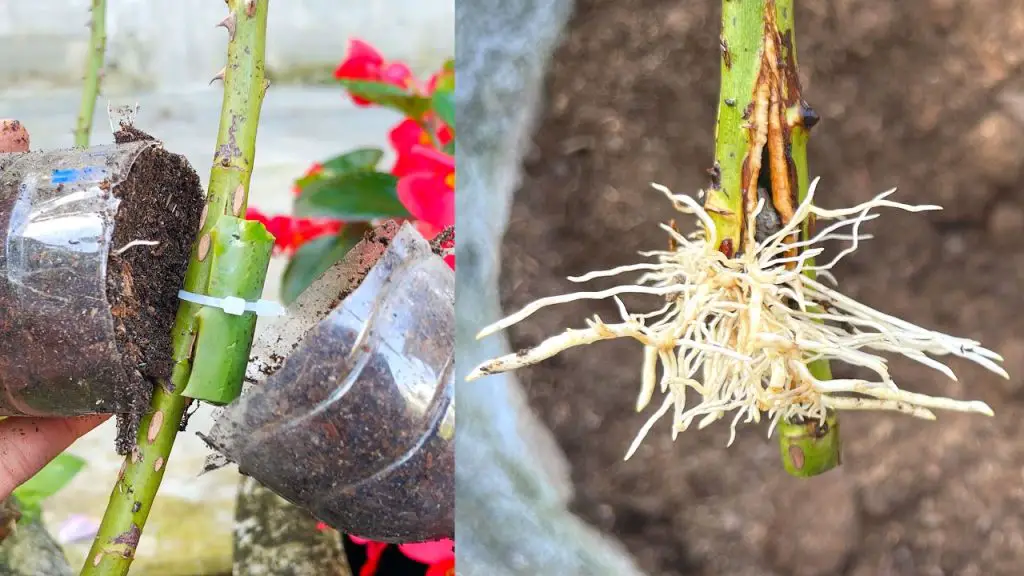
Aloe vera is a natural rooting hormone and has many benefits when used in plant propagation. Its gel contains auxins, plant hormones that promote root development. Aloe vera also helps protect the cutting from infections by creating a natural barrier, giving your rose branches the best chance to take root successfully.
Using aloe leaves to propagate rose cuttings offers a chemical-free and environmentally friendly alternative to store-bought rooting hormones.
What You’ll Need for Extracting Rose Branches with Aloe Vera
Before you start, gather these essential materials:
- Healthy rose branches (cuttings)
- Aloe vera leaves (fresh and plump)
- Sharp scissors or pruning shears
- A small pot with well-draining soil
- Watering can or spray bottle
- Plastic bag or clear plastic cover (optional for humidity)
Step-by-Step Guide: How to Extract Rose Branches Using Aloe Vera Leaves
1. Select and Prepare the Rose Cuttings
- Choose healthy rose branches from a mature plant. Look for branches that are about 6 inches long and contain at least 3 to 4 nodes (the points where leaves attach to the stem). Cut the rose branch using sharp scissors or pruning shears, ensuring a clean cut just below a node.
- Remove any lower leaves from the cutting to expose the stem. This prevents the leaves from rotting when placed in the soil.
2. Extract Aloe Vera Gel
- Cut a fresh aloe vera leaf from the plant, and slice it open lengthwise to reveal the gel inside. Use a spoon or knife to scoop out the gel.
- Apply aloe vera gel to the cut end of the rose branch. Gently coat the bottom of the cutting where it was trimmed, making sure the gel fully covers the exposed stem.
3. Prepare the Pot and Soil
- Fill a small pot with well-draining soil, such as a mix designed for cacti or succulents. Make sure the soil is moist but not soggy.
- Use a stick or your fingers to make a small hole in the center of the soil, where you will place the rose cutting.
4. Insert the Rose Cutting into the Soil
- Insert the rose cutting with the aloe-coated end into the hole in the soil. Gently press the soil around the cutting to secure it in place.
- Water the soil lightly, ensuring it remains moist but not drenched.
5. Create a Humid Environment
- To encourage rooting, you can cover the pot with a clear plastic bag or a plastic dome to create a mini greenhouse effect. This will help retain moisture and increase the humidity around the cutting.
- Place the pot in a bright location with indirect sunlight. Avoid direct sunlight, as it can cause the cutting to dry out.
6. Wait for Rooting to Occur
- Keep the soil moist and maintain a humid environment for about 2 to 3 weeks. During this time, the rose cutting will start to develop roots. You can gently tug on the cutting to check for resistance, which indicates root growth.
- Once the roots have developed, remove the plastic cover to allow the cutting to acclimate to normal air humidity.
7. Transplanting Your Rose Cutting
- Once the cutting has established a strong root system, you can transplant it into a larger pot or directly into your garden, depending on the season and climate.
Care Tips for Newly Propagated Rose Plants
- Watering: Keep the newly rooted rose plant consistently moist, but avoid waterlogging. Water the plant deeply when the soil feels dry to the touch.
- Light: Provide bright, indirect light for optimal growth. Roses need plenty of light to thrive but should be protected from harsh direct sun, especially during the first few weeks.
- Temperature: Roses prefer temperatures between 65°F to 75°F (18°C to 24°C) for healthy growth.
- Fertilizing: Once the plant is well-established, you can start feeding it with a balanced liquid fertilizer every 4-6 weeks during the growing season.
Conclusion:
Aloe vera is an incredibly useful tool when propagating roses from cuttings. By following these simple steps, you can extract rose branches and encourage them to take root, all while utilizing the natural benefits of aloe vera. Whether you’re looking to multiply your rose plants or create a new one from a cutting, this method is a gentle, chemical-free way to achieve healthy growth and vibrant blooms.
Happy gardening and enjoy watching your new roses bloom! 🌹💚