Imagine a single rose tree adorned with a variety of stunning rose blooms. This enchanting garden feature is possible through the art of grafting. By learning how to graft different rose branches onto one tree, you can create a visually striking and diverse rose tree. Follow this simple guide to achieve a beautiful and unique floral display in your garden.
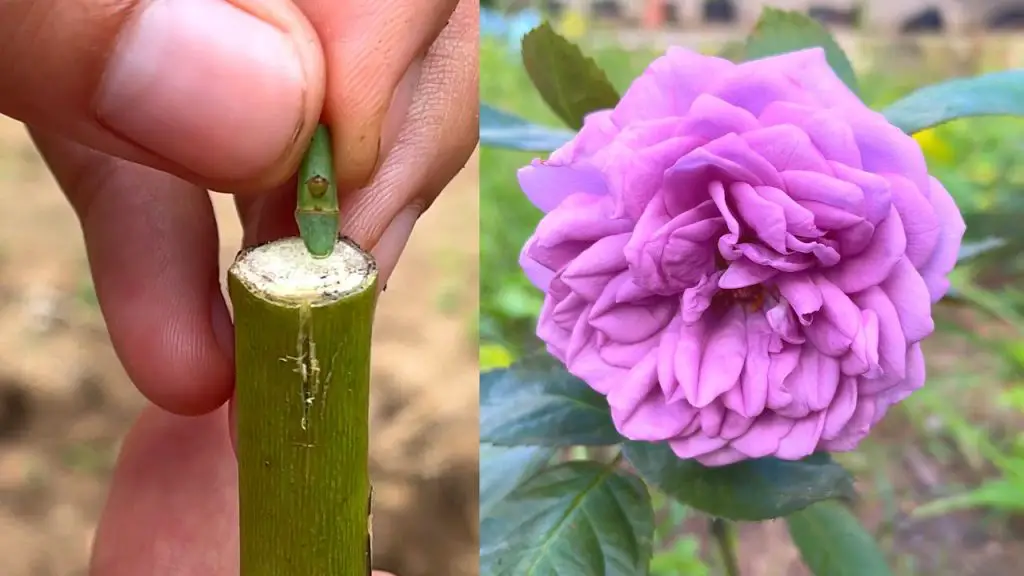
Understanding Rose Grafting
Grafting is a horticultural technique that involves joining two plant parts so they grow as one. In the case of roses, you can graft different rose varieties onto a single rootstock, resulting in a multi-colored, multi-scented rose tree.
Materials You’ll Need
- Healthy rose rootstock: A robust, disease-free rose bush that will serve as the base for your grafting.
- Rose branches (scions): Choose branches from different rose varieties that you want to graft onto the rootstock.
- Sharp knife: For making precise cuts.
- Grafting tape or bands: To secure the grafts.
- Pruning shears: For cutting and shaping.
Steps to Graft Different Roses
- Select Your Rootstock: Choose a healthy, established rose bush that will serve as the rootstock. Ensure it is well-watered and free of diseases.
- Prepare the Scions: Select rose branches from the varieties you wish to graft. These branches should be about 6 inches long and have at least 2-3 buds. Make a clean cut at the base of each scion.
- Make the Graft Cuts:
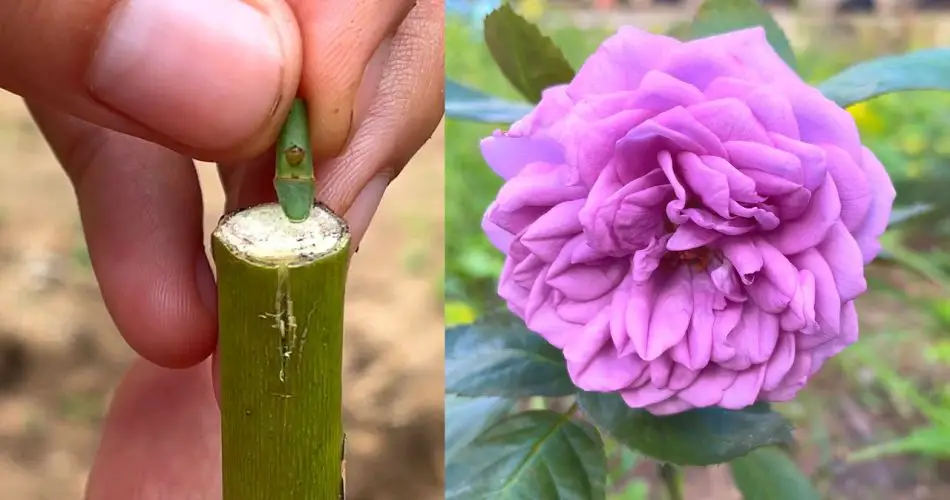
- For the Rootstock: Make a diagonal cut on the rootstock where you plan to attach the scion. The cut should be smooth and clean.
- For the Scion: Make a matching diagonal cut on the base of the scion to ensure it fits snugly against the rootstock.
- Join the Scion and Rootstock: Align the cambium layers (the green layer just beneath the bark) of the scion and rootstock. Press them together firmly.
- Secure the Graft: Wrap the graft junction with grafting tape or bands to hold the scion and rootstock in place. Ensure the graft is tightly bound but not so tight that it restricts growth.
- Care for the Grafted Rose Tree: Water the plant well and place it in a location with filtered sunlight. Keep the graft area protected from harsh weather conditions.
- Monitor and Maintain: Check the graft regularly for signs of successful growth. Remove any suckers or growth from the rootstock to ensure that the grafted varieties thrive.
Benefits of Grafting Different Roses
- Diverse Blooms: Grafting allows you to enjoy a variety of rose colors and fragrances on a single plant.
- Space Efficiency: Ideal for smaller gardens, where space is limited but you still want a rich variety of roses.
- Unique Garden Feature: Creates a stunning focal point in your garden, showcasing your creativity and gardening skills.
Conclusion
Grafting different roses onto one tree is a rewarding technique that offers a spectacular display of diverse blooms. By following these simple steps, you can create a single rose tree that features multiple rose varieties, adding a touch of elegance and uniqueness to your garden. Embrace this horticultural craft and enjoy a beautiful and multifaceted rose tree all year round!