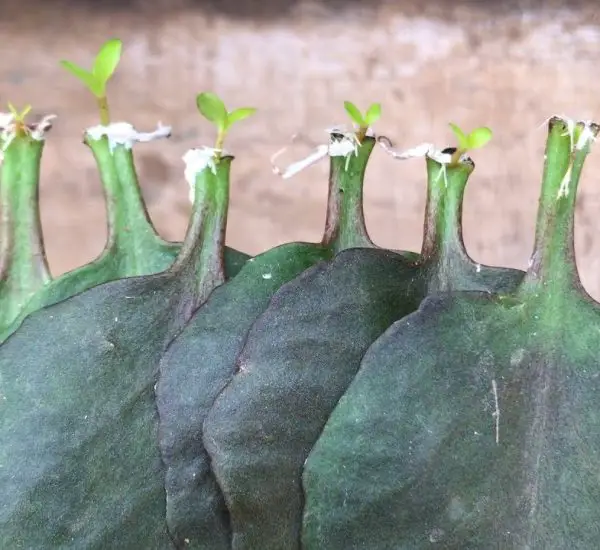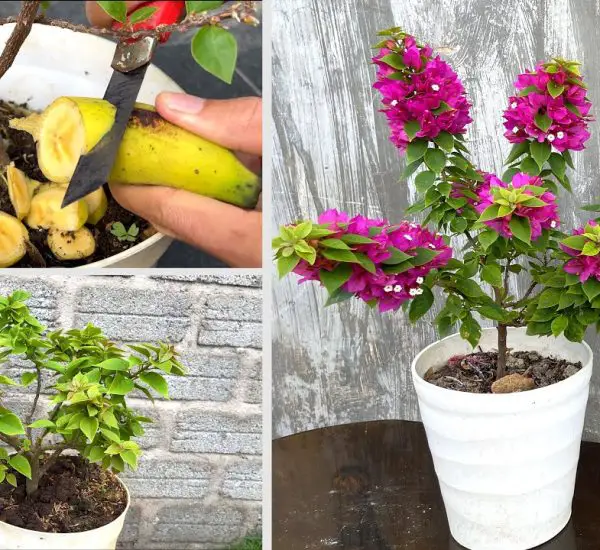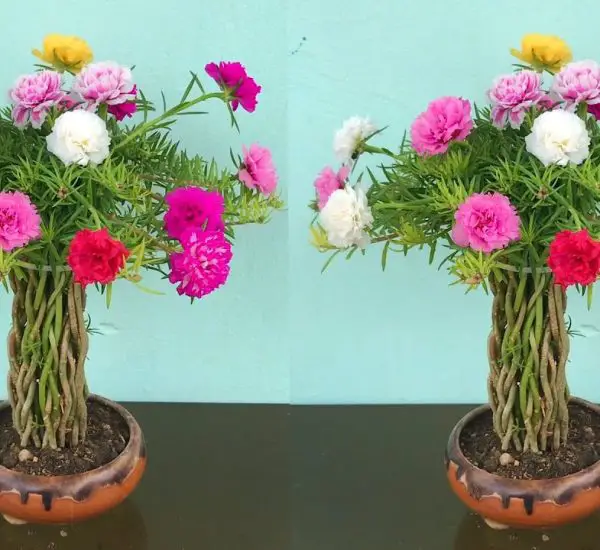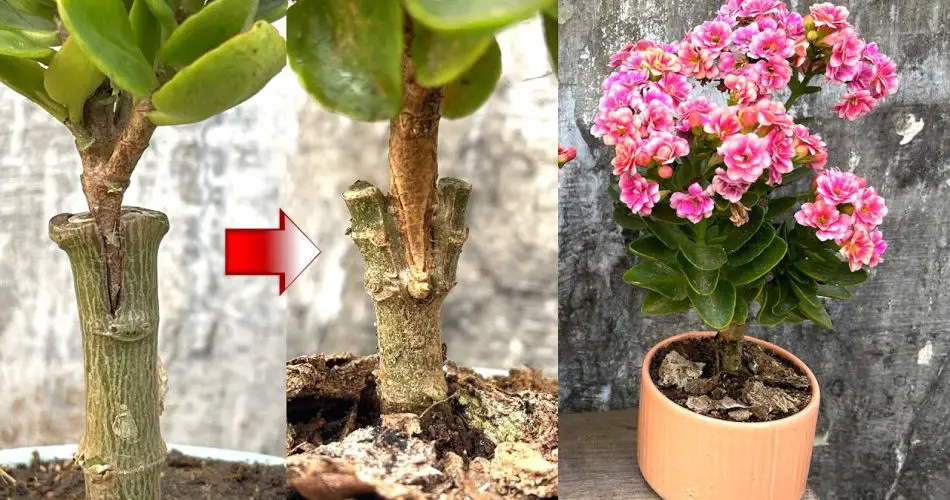
Grafting is an effective horticultural technique that allows you to combine two different plants into one, resulting in unique blooms and enhanced growth. This article will guide you through the process of tip grafting two flowers together, ensuring a successful union.
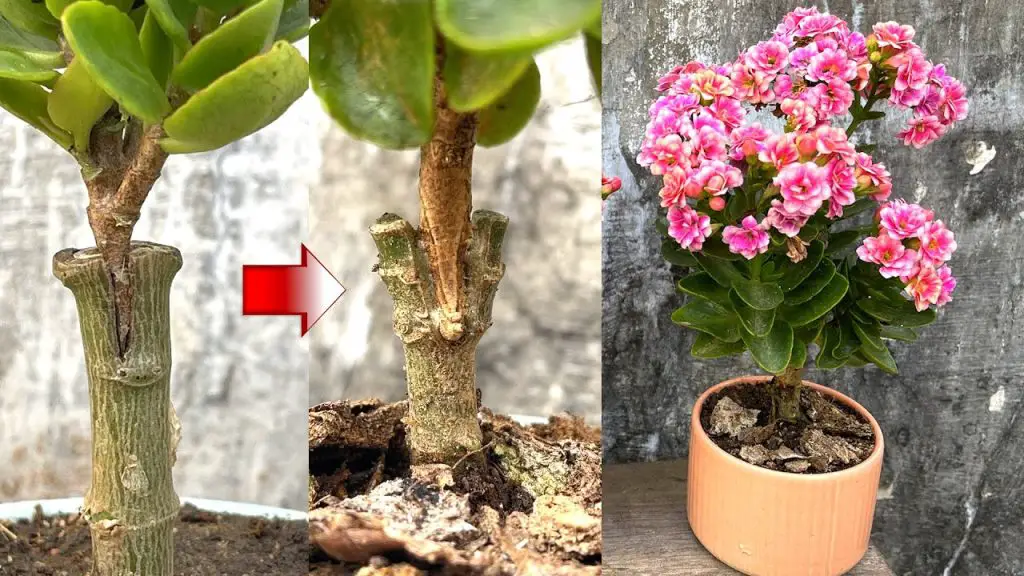
What is Grafting?
Grafting involves joining the tissue of one plant (the scion) with another (the rootstock) so that they grow as a single plant. This method is commonly used to propagate desirable traits, such as specific flower colors or disease resistance.
Materials Needed
- Two healthy plants (flowering species)
- Sharp knife or grafting tool
- Grafting tape or rubber bands
- Pruning shears
- Rooting hormone (optional)
- Sealant or wax (for protecting the graft)
Step-by-Step Instructions
- Choose the Right Time:
- The best time to graft is during spring when both plants are actively growing. This encourages faster healing and integration.
- Select Scion and Rootstock:
- Choose a healthy scion (the top part) from the desired flower and a compatible rootstock. Ensure both plants are of similar thickness.
- Prepare the Scion:
- Cut a 6-inch section from the scion just below a leaf node. The cut should be angled at about 45 degrees to maximize surface area.
- Prepare the Rootstock:
- Make a matching cut on the rootstock where you will attach the scion. The cut should also be at a 45-degree angle to create a snug fit.
- Join the Two Pieces:
- Align the cut surfaces of the scion and rootstock, ensuring that the cambium layers (the green layer just beneath the bark) are in contact. This is crucial for successful grafting.
- Secure the Graft:
- Use grafting tape or rubber bands to tightly secure the graft area. This helps keep the scion in place and promotes healing.
- Seal the Graft:
- Apply a sealant or wax over the graft site to protect it from moisture loss and pests. This helps create a favorable environment for healing.
- Care for the Grafted Plant:
- Place the grafted plant in a shaded area to prevent stress from direct sunlight. Water it regularly, but avoid overwatering.
- Monitor Growth:
- After a few weeks, check the graft site for signs of healing. You may notice new growth emerging from the scion if the graft was successful.
- Remove Tape and Support:
- Once the graft has healed and is stable (usually within 4-6 weeks), gently remove the tape or bands. Provide support if needed, especially if the grafted plant becomes top-heavy.
Benefits of Grafting Flowers
- Unique Combinations: Create stunning floral displays by combining different colors and types of flowers.
- Disease Resistance: Graft onto disease-resistant rootstocks to improve plant health and longevity.
- Increased Yield: Enhance flowering potential and overall productivity of the plant.
By following these steps, you can successfully graft two flowers together, creating beautiful and unique plants for your garden. Happy grafting!
Copy
Show Comments