The Christmas cactus (Schlumbergera), known for its stunning bright blooms during the holiday season, is a popular choice for indoor gardeners. If you’re wondering how to grow or transplant a Christmas cactus successfully, this article will provide you with all the essential tips and techniques.
Whether you want to propagate a new plant, refresh an old one, or help it thrive for the holidays, growing and transplanting a Christmas cactus is relatively easy with the right care.
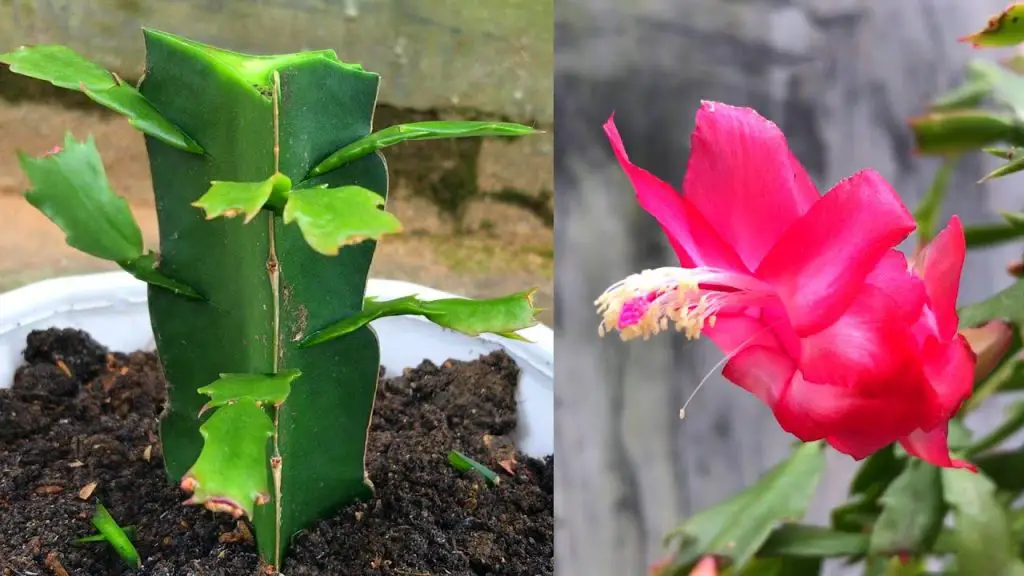
How to Grow a Christmas Cactus
Growing a Christmas cactus can be a rewarding experience, especially when it starts to produce its spectacular blooms. Here are the key steps for successfully growing a Christmas cactus:
1. Choosing the Right Pot and Soil
- Pot: Select a pot that has good drainage. A terracotta or clay pot is ideal because it allows the roots to breathe.
- Soil: Use a well-draining cactus mix or create your own by combining potting soil with perlite or sand to increase drainage.
2. Planting the Christmas Cactus
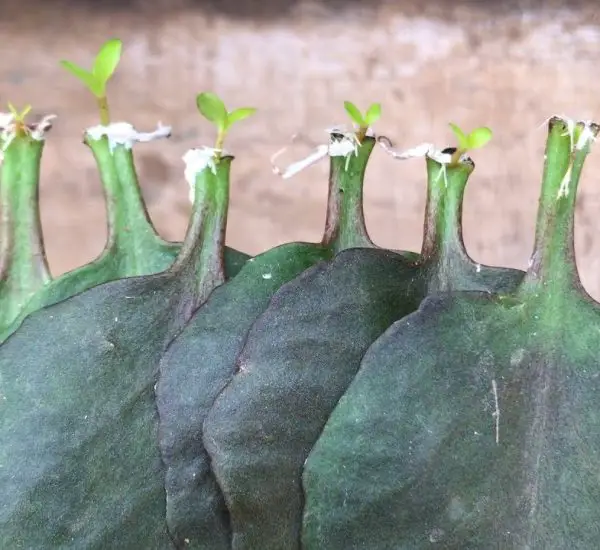
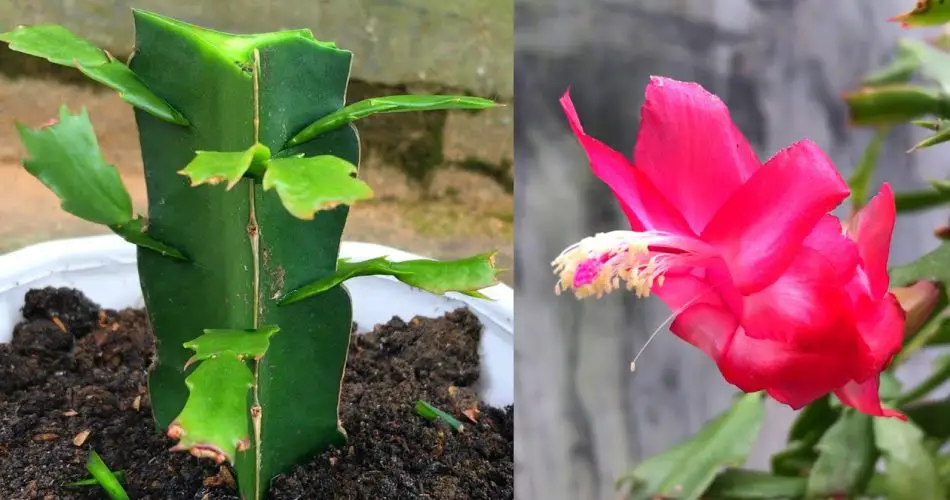
- Cuttings: To start a new plant, take a 3-4 inch cutting from the tips of a mature Christmas cactus. Allow the cutting to callous for a day or two before planting.
- Planting: Plant the cutting in the soil mix, burying it about one inch deep. Water lightly to settle the soil around the cutting, but don’t overwater.
3. Providing the Right Environment
- Light: Christmas cacti thrive in indirect light. They don’t like direct sun, which can scorch their leaves. Place your plant in a bright room, away from windows with direct sunlight.
- Temperature: The ideal temperature for a Christmas cactus is between 60°F to 70°F (15°C to 21°C). They prefer cooler temperatures during the night to stimulate blooming.
- Watering: Water the plant when the soil feels dry, but make sure the pot has good drainage to prevent waterlogging. Water sparingly during the winter, as the cactus is dormant at this time.
4. Stimulating Blooms
To encourage blooming during the holiday season, reduce the light exposure for about 14 hours a day for 6 weeks prior to the time you want it to bloom. This trick mimics the natural conditions that the Christmas cactus needs to flower.
How to Transplant a Christmas Cactus
Transplanting your Christmas cactus can be a great way to refresh the soil and provide your plant with more room to grow. Here’s a step-by-step guide on how to transplant your Christmas cactus properly:
1. Choose the Right Time to Transplant
It’s best to transplant a Christmas cactus during its resting phase, which occurs right after it finishes blooming—usually in the spring or early summer. Avoid transplanting it while it’s actively blooming, as this can cause stress to the plant.
2. Select a Larger Pot
Choose a new pot that’s 1-2 inches larger in diameter than the current one. Make sure it has drainage holes to prevent water from accumulating at the bottom of the pot.
3. Remove the Christmas Cactus from its Old Pot
Carefully loosen the soil around the edges of the pot, then gently lift the plant out by the base of the stem. Be careful not to damage the roots or the plant’s leaves.
4. Trim the Roots (if necessary)
If the roots are crowded or tangled, you can gently prune them with a clean, sharp knife or scissors. This will promote healthy growth in the new pot.
5. Plant the Christmas Cactus in the New Pot
Add a layer of well-draining soil to the bottom of the new pot. Place the Christmas cactus in the center, and fill around it with soil. Leave about half an inch of space from the top of the pot to allow for watering.
6. Watering After Transplanting
Water the plant lightly after transplanting to help settle the soil around the roots. Don’t overwater, as the plant may be sensitive to excess moisture right after being transplanted. Allow the soil to dry out slightly before watering again.
Christmas Cactus Care Tips
- Fertilizing: During the growing season (spring and summer), fertilize your Christmas cactus every 2-4 weeks with a balanced liquid fertilizer. Reduce feeding during the fall and winter months when the plant is dormant.
- Pruning: After blooming, you can trim the cactus to keep its shape and remove any dead or damaged sections.
- Pests: Keep an eye out for mealybugs, spider mites, and fungus gnats. If you see any, treat the plant with insecticidal soap or use a natural remedy like neem oil.
Conclusion
Growing and transplanting a Christmas cactus can be a simple and rewarding process with the right care. Whether you are starting from cuttings or refreshing a mature plant, providing the right environment, proper watering, and periodic transplanting will ensure that your Christmas cactus remains healthy and produces beautiful blooms for years to come.
With these tips, you’ll be able to grow a thriving Christmas cactus that will add a burst of color to your home every holiday season. Happy gardening!