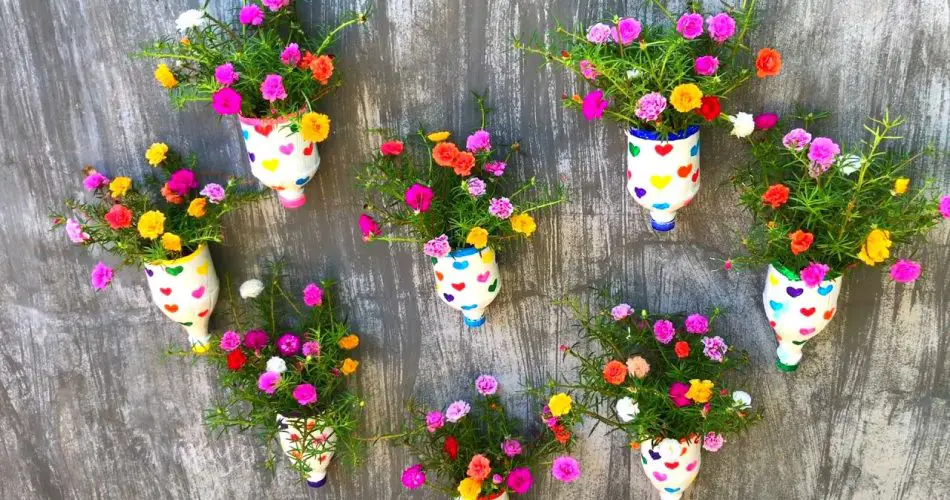
Gardening doesn’t need to be expensive, nor does it require a large backyard. With a little creativity, you can turn everyday items like recycled plastic bottles into beautiful, functional flower containers. Growing colorful flowers in these bottles is an eco-friendly way to add a burst of color to your home or garden while reducing plastic waste. Plus, you’ll be able to repurpose something that would otherwise end up in the trash.
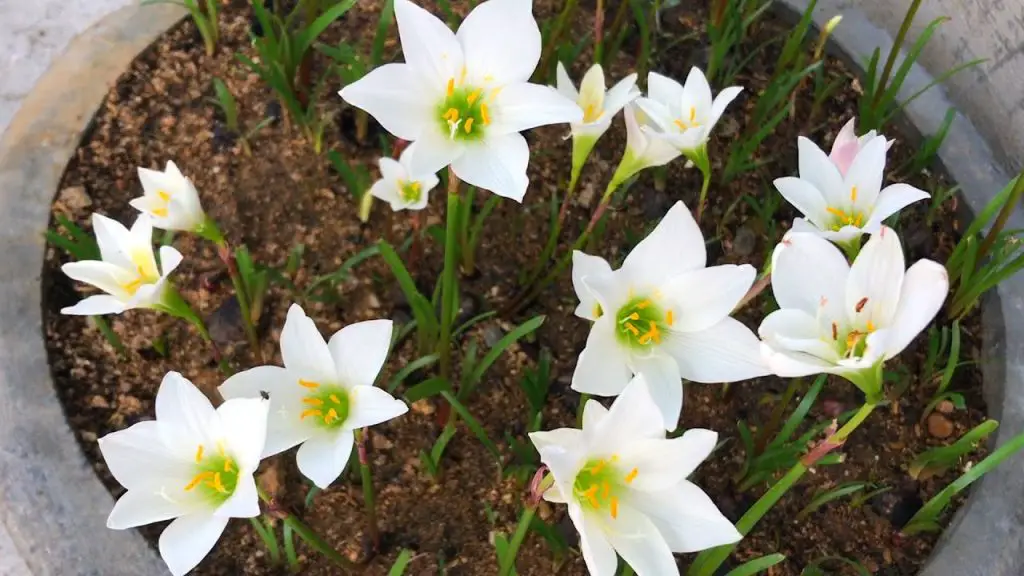
In this guide, we’ll show you how to grow ten colorful flowers in recycled plastic bottles, step by step, to create a beautiful display that’s as sustainable as it is vibrant.
1. Why Grow Flowers in Recycled Plastic Bottles?
Using plastic bottles for gardening offers several benefits:
- Eco-Friendly: Repurposing plastic bottles reduces waste and helps minimize the environmental impact of plastic waste.
- Cost-Effective: Plastic bottles are inexpensive or even free if you already have them at home, making this a budget-friendly gardening option.
- Space-Saving: Plastic bottles can be used for vertical gardens, hanging baskets, or placed on balconies, making them perfect for small spaces.
- Customizable: You can decorate the bottles to fit your style, whether it’s simple, colorful, or even rustic.
2. Ten Colorful Flowers to Grow in Recycled Plastic Bottles
Before you start, let’s take a look at some colorful flowers that thrive in small containers like recycled plastic bottles:
- Petunias
Petunias are hardy and come in a wide variety of colors, including purple, pink, red, and white. They do well in containers and will add a cheerful splash of color. - Marigolds
Marigolds are easy to grow and their bright yellow, orange, or red flowers can brighten up any space. They’re also known for being low maintenance. - Geraniums
Geraniums bloom in shades of red, pink, or purple and do well in containers. They’re drought-tolerant and can add both color and texture to your plastic bottle garden. - Impatiens
Known for their colorful flowers, Impatiens thrive in shaded areas and can produce vibrant hues like red, pink, and purple. Perfect for hanging bottles or window boxes. - Begonias
Begonias come in a wide array of colors and have attractive foliage as well. They’re perfect for both sunny and shady spots, making them versatile in your recycled bottle garden. - Zinnias
Zinnias are hardy flowers that bloom in many colors, including orange, pink, red, and yellow. They thrive in full sunlight and are perfect for a sunny balcony garden. - Pansies
With their soft, velvety petals, pansies come in many colors, including purple, yellow, white, and blue. They’re perfect for cooler climates and early spring blooms. - Lobelia
Lobelias produce vibrant blue, purple, or white flowers and are ideal for hanging containers. They also work well in combination with other colorful flowers. - Sweet Alyssum
Sweet Alyssum is known for its fragrant, tiny white or purple flowers. It’s perfect for adding texture to your vertical garden in plastic bottles. - Nasturtiums
Nasturtiums are easy to grow and have edible flowers in bright oranges and reds. Their cascading growth habit makes them perfect for hanging from plastic bottles.
3. Materials You’ll Need
To get started with growing flowers in recycled plastic bottles, gather the following materials:
- Plastic Bottles: Any size of plastic bottle can work, but 2-liter soda bottles or smaller bottles like water or juice bottles are ideal for growing flowers.
- Soil: Use a good-quality potting mix. A well-draining mix is essential for the health of the plants.
- Seeds or Seedlings: Choose from the list of colorful flowers above, depending on your preferences and climate.
- Scissors or Utility Knife: For cutting the bottles.
- Drill or Nail: To make drainage holes at the bottom of the bottles.
- Decorative materials (optional): Paint, fabric, or twine to decorate the bottles if you like.
- Hooks or String (optional): If you plan to hang the bottles.
4. Step-by-Step Guide to Growing Flowers in Recycled Plastic Bottles
1. Prepare the Plastic Bottles
- Clean the Bottles: Thoroughly rinse the plastic bottles to remove any remaining liquids or residues.
- Cut the Bottles: Use scissors or a utility knife to cut the bottles in half, or leave them whole and simply cut the top part off to create an opening. The bottom half will hold the soil and plants.
2. Create Drainage Holes
- Drill Holes: It’s important to create drainage holes to prevent water from accumulating at the bottom, which could lead to root rot. Use a drill or a nail to make several small holes in the bottom of each bottle.
3. Decorate the Bottles (Optional)
- If you want to add a decorative touch, you can paint the bottles, wrap them with twine, or cover them with fabric. Get creative and personalize the look of your recycled flower pots to fit your style.
4. Fill the Bottles with Soil
- Fill the bottom of each bottle with a well-draining potting mix. Leave about 1-2 inches of space from the top of the bottle to make room for watering.
5. Plant the Flowers
- Sow the Seeds: If you’re starting with seeds, follow the instructions on the seed packet for planting depth. Typically, sow the seeds about 1/4 inch deep and lightly cover them with soil.
- Plant Seedlings: If you’re using young plants, carefully transplant them into the plastic bottle. Make a hole in the soil large enough to fit the roots, and gently pack the soil around the base of the plant.
6. Water and Care
- Water the flowers lightly after planting. Be sure to water gently, as the plastic bottle container can dry out quickly.
- Place the bottles in a location that receives the appropriate amount of sunlight for each flower. Some flowers, like marigolds and zinnias, need full sun, while others like begonias and impatiens prefer partial or filtered sunlight.
7. Maintain Your Garden
- Check the soil every few days and water as needed. Be careful not to overwater, as plastic bottles can trap moisture. Allow the top layer of soil to dry before adding more water.
- Prune and deadhead flowers regularly to encourage new blooms and prevent wilting.
- Fertilize once a month with a liquid fertilizer to help your flowers grow strong and vibrant.
8. Display Your Colorful Flower Garden
- If you have multiple plastic bottles, consider creating a vertical garden by hanging them using string, or placing them on a sunny balcony or window ledge.
- Alternatively, you can arrange the bottles in a row to create a colorful flower bed on a porch or patio.
5. Additional Tips for Success
- Mix Flowers with Similar Needs: When planting in the same bottle, choose flowers that have similar care requirements. For example, plant marigolds with zinnias, both of which prefer full sun.
- Use Hooks for Hanging: If you want to create a hanging garden, attach small hooks to the tops of the bottles and hang them from a ceiling or fence.
- Recycling More Plastic: You can also cut plastic bottles into small planters to create a mini garden, or use them as seed starters before transferring plants to larger containers.
6. In Summary:
Growing ten colorful flowers in recycled plastic bottles is a fun, easy, and environmentally friendly way to brighten up any space. With just a few simple steps—cutting bottles, adding soil, planting seeds or seedlings, and caring for your flowers—you can create a vibrant, sustainable garden that’s perfect for balconies, windowsills, or even hanging from a fence. Plus, it’s a great way to repurpose plastic and make your gardening more eco-conscious.
Happy gardening, and enjoy the beautiful blooms from your recycled plastic flower pots! 🌸🌼🌻