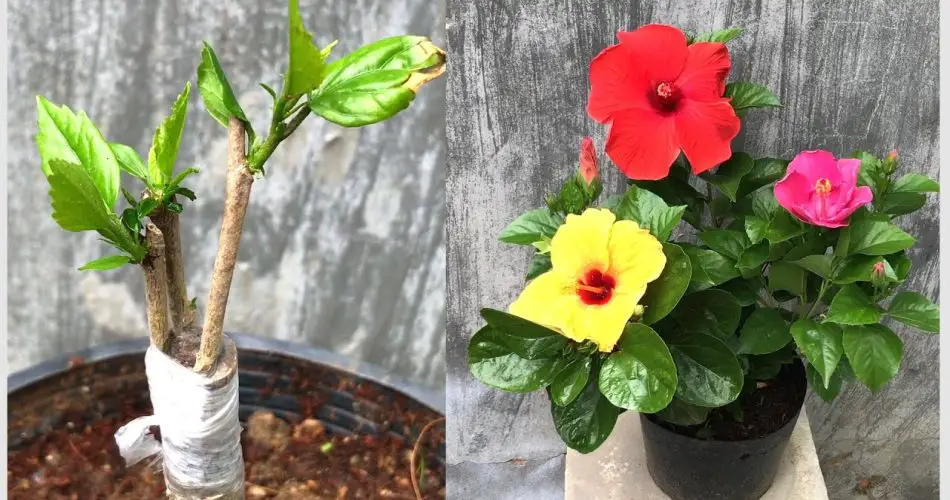
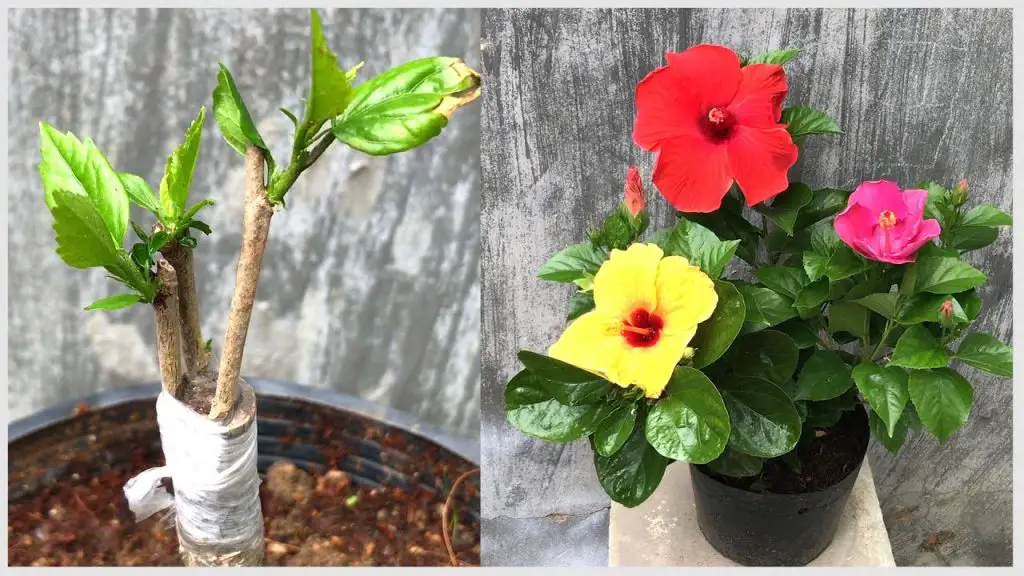
Hoping to transform your hibiscus tree into a dazzling display of colorful blooms? Achieving vibrant and varied hibiscus flowers involves a combination of proper care, specific techniques, and sometimes a touch of patience. Here’s how you can ensure your hibiscus tree produces an array of stunning, colorful flowers throughout the growing season.
Understanding Hibiscus Growth
Hibiscus trees are known for their large, showy flowers that can add a burst of color to any garden. To get the most out of your hibiscus tree:
- Flower Variety: Hibiscus plants come in a range of colors, including red, pink, yellow, and orange. Each color can be influenced by the variety of hibiscus and care techniques.
Tips for Colorful Hibiscus Flowers
- Choose the Right Variety:
- Select a hibiscus variety that is known for its vibrant colors. Varieties like Hibiscus rosa-sinensis or Hibiscus sabdariffa offer a wide range of hues and patterns.
- Provide Optimal Sunlight:
- Hibiscus trees thrive in full sun. Ensure they receive at least 6 hours of direct sunlight each day to promote the best blooming results.
- Soil Quality and pH:
- Plant hibiscus in well-draining soil enriched with organic matter. Hibiscus prefers slightly acidic to neutral soil (pH 6.0-7.0). Use soil amendments such as compost or peat moss to enhance soil quality.
- Watering:
- Keep the soil moist but not waterlogged. Regular watering is crucial, especially during the growing season. Water deeply and allow the soil surface to dry slightly between waterings.
- Fertilization:
- Feed your hibiscus with a balanced fertilizer that includes essential nutrients like nitrogen, phosphorus, and potassium. For enhanced color, use a fertilizer high in phosphorus to promote flowering.
- Apply fertilizer every 4-6 weeks during the growing season, following the manufacturer’s instructions.
- Pruning:
- Regular pruning helps maintain the tree’s shape and encourages more blooms. Remove dead or diseased branches and trim back excessive growth to improve air circulation and light penetration.
- Pest and Disease Management:
- Watch for common pests such as aphids and whiteflies, and treat infestations promptly. Ensure proper air circulation around the tree to prevent fungal diseases.
- Temperature and Climate:
- Hibiscus trees prefer warm temperatures and can be sensitive to frost. In cooler climates, consider winter protection measures or grow your hibiscus in a container that can be moved indoors.
- Watering with Additives:
- To boost color intensity, consider using liquid seaweed or fish emulsion as a watering additive. These can enhance nutrient uptake and promote vibrant flower colors.
Additional Techniques for Enhanced Color
- Soil Acidification: If your soil is too alkaline, sulfur can be added to lower the pH and enhance flower color.
- Temperature Control: Ensuring consistent warm temperatures can help your hibiscus tree produce vibrant and long-lasting blooms.
Achieving colorful hibiscus flowers on your tree requires a combination of proper care, the right variety, and attention to growing conditions. By providing optimal sunlight, soil, and water, along with regular fertilization and pruning, you can encourage your hibiscus to bloom with a spectacular range of vibrant colors. Embrace these tips to enjoy a stunning display of beautiful, colorful flowers that will brighten up any garden.