Banana peels are an excellent source of nutrients for your garden and can be used to create a natural fertilizer. Making dung or compost from banana peels not only recycles kitchen waste but also enriches your soil with essential elements like potassium, phosphorus, and calcium. Here’s a step-by-step guide on how to effectively use banana peels as fertilizer:

1. Collect and Prepare Banana Peels
- Gather Peels: Save your banana peels after eating the fruit. You can use peels from multiple bananas to create a larger batch of fertilizer.
- Cut into Small Pieces: Chop the banana peels into small pieces to speed up the decomposition process. The smaller the pieces, the quicker they will break down.
2. Choose a Composting Method
You can use banana peels in various composting methods:
Method 1: Compost Bin
- Start a Compost Bin: If you don’t already have one, set up a compost bin or pile in your garden.
- Add Peels: Mix the chopped banana peels into the compost bin along with other organic materials like vegetable scraps, leaves, and grass clippings.
- Turn the Compost: Regularly turn the compost to aerate it and help the peels decompose. This will create a rich, dark compost that you can use to fertilize your plants.
Method 2: Banana Peel Tea
- Prepare the Tea: Place chopped banana peels in a large container or bucket. Fill it with water, enough to cover the peels completely.
- Steep: Let the peels steep in the water for 1-2 days. The nutrients from the peels will infuse into the water.
- Strain and Use: Strain the liquid to remove the peels, and use the resulting tea as a fertilizer for your plants. Apply it directly to the soil around your plants or use it as a foliar spray.
Method 3: Direct Soil Application
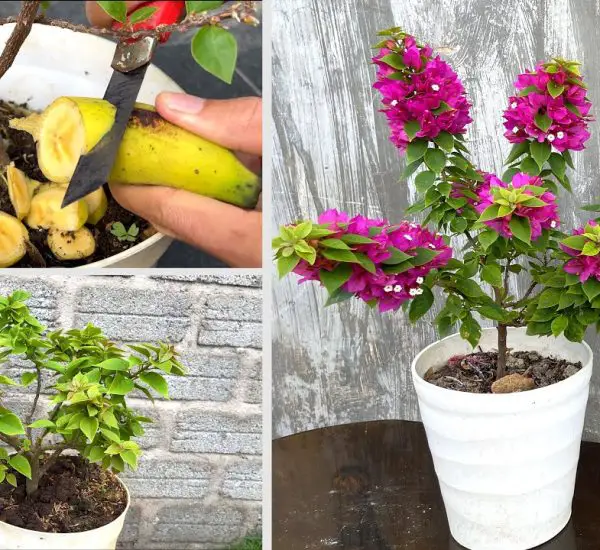
- Bury the Peels: Simply dig a small trench or hole in your garden soil and bury the chopped banana peels.
- Cover with Soil: Cover the peels with soil and water lightly. As they decompose, they will release nutrients directly into the soil.
3. Monitor and Maintain
- Check Decomposition: Ensure that the banana peels and other compost materials are decomposing properly. The compost should become dark and crumbly over time.
- Avoid Overuse: While banana peels are rich in nutrients, using them in moderation is best. Too much can imbalance your compost or soil. Aim to use them as part of a balanced composting routine.
- Adjust Conditions: If the composting process is slow, consider adding more green materials (like fruit and vegetable scraps) or turning the compost more frequently.
4. Apply the Fertilizer
- Use Compost: Once the compost is ready, spread it around your garden plants. It will enrich the soil and improve plant health.
- Apply Banana Peel Tea: For an extra nutrient boost, apply the banana peel tea every few weeks to your plants.
Benefits of Using Banana Peels as Fertilizer
- Nutrient-Rich: Banana peels are high in potassium, phosphorus, and calcium, essential for plant growth.
- Eco-Friendly: Recycles kitchen waste and reduces the amount of garbage sent to landfills.
- Improves Soil Health: Adds organic matter to the soil, improving its structure and moisture retention.
By using banana peels as a natural fertilizer, you can enhance your garden’s fertility and contribute to a more sustainable gardening practice.
Copy
Show Comments