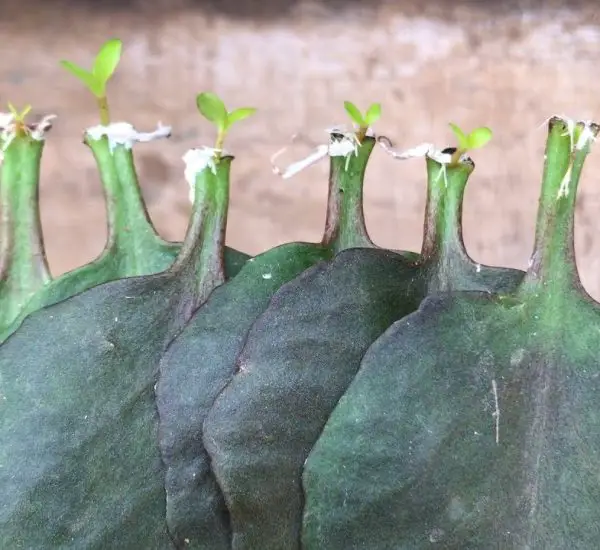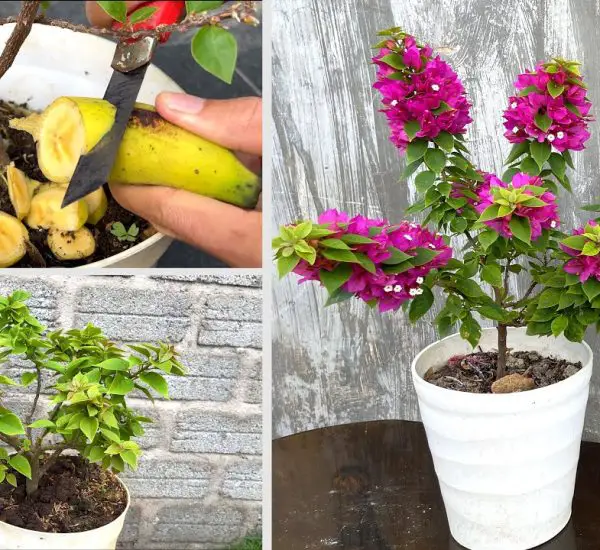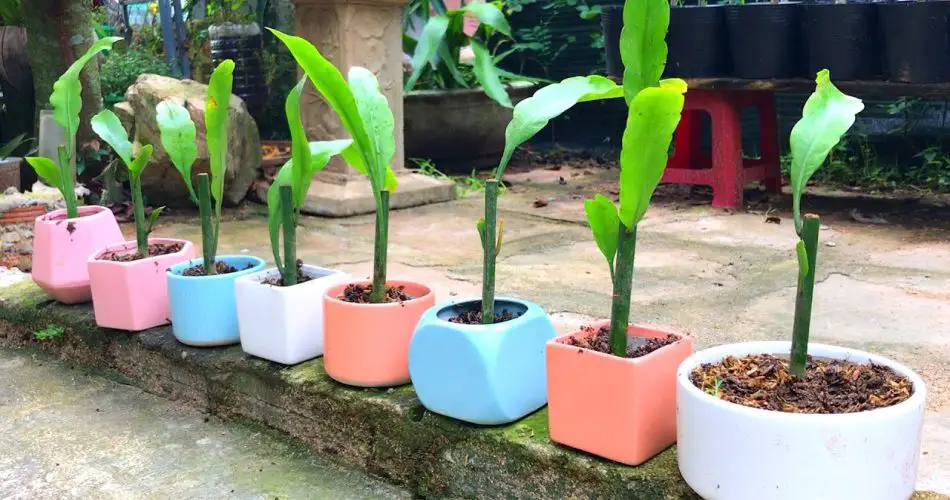
If you’re passionate about gardening and want to expand your home garden, multiplying your plants is a wonderful and cost-effective way to do so. One plant that can be easily propagated at home is the Night Blooming Cereus (also known as Epiphyllum). With its striking, large blooms that open at night, the Epiphyllum is a stunning addition to any garden. In this article, we’ll show you how to multiply your Night Blooming Cereus and grow it effortlessly in your own garden.
Why Propagate Night Blooming Cereus?
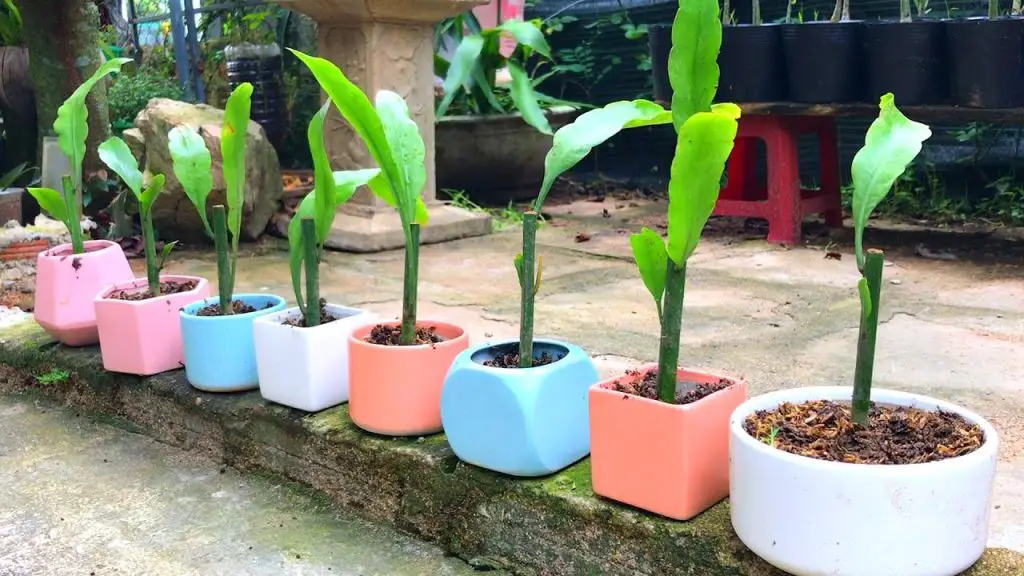
The Night Blooming Cereus, a type of epiphyllum, is a captivating cactus-like plant known for its large, beautiful flowers that bloom overnight, releasing a fragrant scent. By multiplying this plant, you can enjoy its beauty in different corners of your garden or share it with friends and family. Additionally, propagation allows you to:
- Grow more plants: Multiplying your Epiphyllum ensures that you can expand your collection without needing to buy new plants.
- Preserve plant health: Propagation helps you rejuvenate older plants and ensure their long-term health.
- Create new varieties: With successful propagation, you can experiment with different growing techniques and even try new hybrid varieties.
How to Multiply Night Blooming Cereus (Epiphyllum)
Propagating your Night Blooming Cereus is relatively simple and can be done through cuttings. Follow these easy steps to grow new plants from your existing Epiphyllum.
What You’ll Need:
- A healthy Epiphyllum plant (Night Blooming Cereus)
- A sharp, clean knife or scissors
- A small container for propagation
- Well-draining soil (such as cactus or succulent mix)
- Rooting hormone (optional, but helps improve root development)
- A small pot or tray for rooting
Step 1: Choose the Right Stem Cutting
- Select a healthy, mature stem from the Epiphyllum plant. It’s important to choose a stem that’s not too young or too old. Look for stems that are firm and free from damage or disease.
- Use a sharp knife or scissors to cut a section of the stem about 4-6 inches long. Make the cut at a 45-degree angle to avoid damaging the plant.
Step 2: Allow the Cutting to Callus
- After cutting the stem, place the cutting in a dry, shaded area for 1-2 days. This allows the cut end to form a callus (a protective scar) and reduces the risk of rot when planted.
Step 3: Apply Rooting Hormone (Optional)
- Although this step is optional, applying a rooting hormone to the cut end can increase the likelihood of successful root development.
- Dip the cut end of the stem into the rooting hormone powder and gently tap off any excess.
Step 4: Plant the Cutting
- Prepare a small pot filled with well-draining soil. A cactus or succulent mix works best, but you can also add sand or perlite for extra drainage.
- Insert the cut end of the Epiphyllum stem into the soil, making sure it’s planted about 1-2 inches deep. Gently firm the soil around the cutting to hold it in place.
Step 5: Provide the Right Environment
- Place the pot in a warm, bright location with indirect sunlight. Epiphyllum cuttings thrive in temperatures between 65-75°F (18-24°C).
- Keep the soil slightly moist, but avoid over-watering. Too much water can cause the cutting to rot.
- For the first few weeks, the cutting will focus on developing roots. You can cover the pot with a clear plastic bag or a plastic dome to create a humid environment, which will help the cutting root faster.
Step 6: Transplant Once Roots Have Developed
- After about 4-6 weeks, gently check for root growth by pulling the cutting slightly. Once you feel resistance, the cutting has successfully rooted.
- You can now transplant the new plant into a larger pot with well-draining soil. Continue to care for it as you would a mature Night Blooming Cereus.
Caring for Your New Epiphyllum Plants
Once your Epiphyllum cutting has rooted and been transplanted, it’s time to give it the best care to ensure it grows strong and healthy:
- Light: Epiphyllums thrive in bright, indirect sunlight. Avoid direct sunlight, as it can scorch the leaves.
- Watering: Water your new plant when the soil feels dry to the touch. Be cautious not to over-water, as this can lead to root rot.
- Temperature: Epiphyllums prefer temperatures between 65-75°F (18-24°C), so keep them in a warm spot, away from drafts or cold windows.
- Fertilization: Feed your plant with a balanced fertilizer during the growing season (spring and summer) to encourage healthy growth and flowering.
Tips for Successful Propagation
- Patience is key: Rooting and growth can take some time. Be patient, and your Epiphyllum will reward you with beautiful blooms.
- Clean tools: Always use clean and sharp tools to prevent infections and ensure clean cuts.
- Avoid over-watering: Epiphyllum plants are sensitive to excess moisture, so make sure the soil drains well and doesn’t stay soggy.
Conclusion
Multiplying your Night Blooming Cereus (Epiphyllum) is a rewarding and easy way to enhance your home garden with more stunning plants. By following these simple steps and providing the right care, you’ll soon have multiple Epiphyllum plants that will bloom beautifully year after year. Whether you’re an experienced gardener or a beginner, propagating this remarkable plant is a fun and educational process that will bring even more beauty to your garden.