Are you looking to expand your rose garden and multiply your favorite varieties? Rooting is an effective and rewarding method for growing new roses from cuttings. This guide will walk you through the steps to successfully multiply roses, ensuring a vibrant and flourishing rose garden.
Understanding the Basics of Rooting
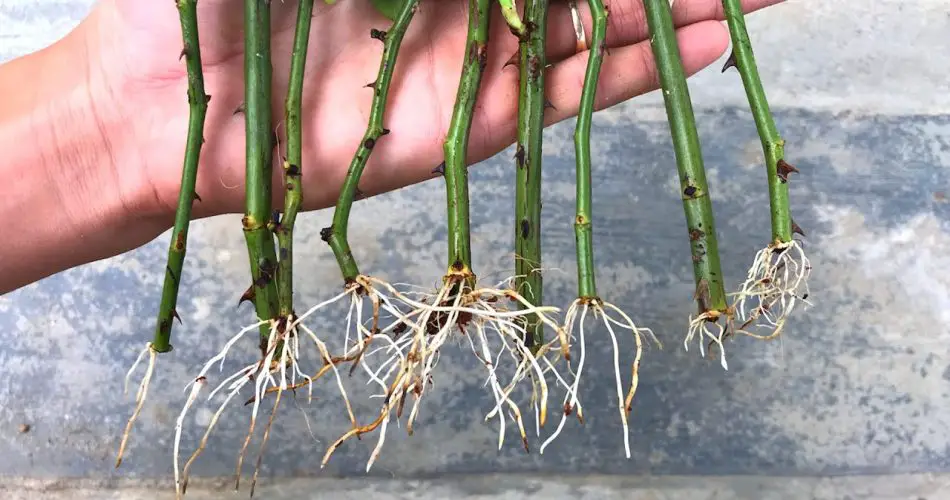
Rooting is a process where rose cuttings develop roots and grow into new plants. This technique allows gardeners to propagate roses without the need for seeds. The key to successful rooting lies in providing the right conditions for the cuttings to establish a strong root system.
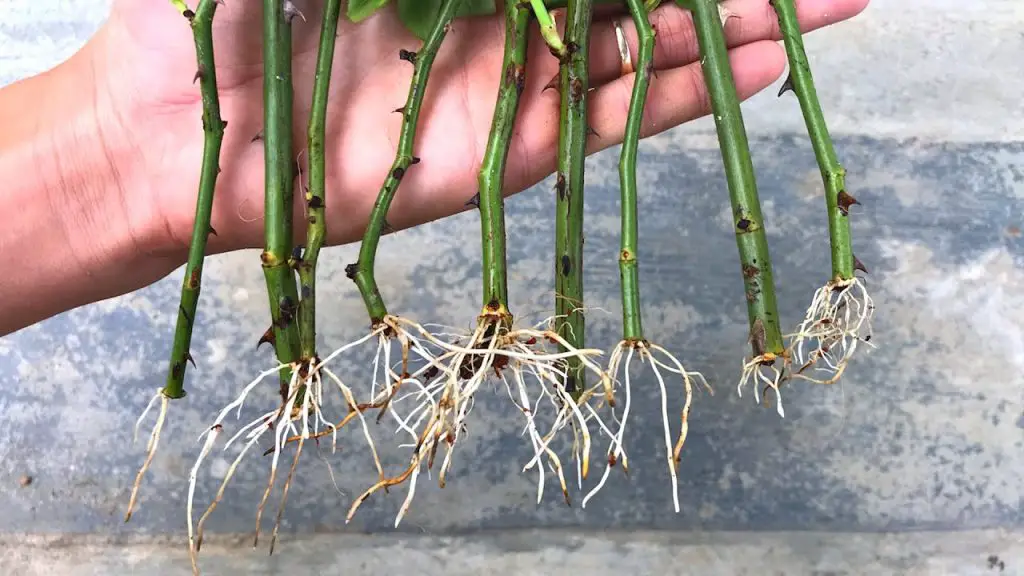
Steps to Multiply Roses by Rooting
- Select Healthy Rose Cuttings
- Choose healthy, disease-free roses for cuttings. The ideal cuttings should be taken from the current season’s growth, preferably from the middle of the stem.
- Look for stems that are about 4-6 inches long with at least 2-3 leaf nodes (the points where leaves attach to the stem).
- Prepare the Cuttings
- Using a clean, sharp knife or pruning shears, cut just below a leaf node. Remove any lower leaves to prevent them from rotting in the soil.
- Optionally, dip the cut end in rooting hormone powder or gel to promote faster root development.
- Plant the Cuttings
- Prepare a potting mix that is well-draining, such as a blend of peat moss and perlite.
- Plant the cuttings about 1-2 inches deep into the soil, making sure the leaf nodes are below the surface. Space the cuttings a few inches apart to allow room for growth.
- Create the Right Environment
- Water the cuttings thoroughly, and then cover the pot with a clear plastic bag or a mini greenhouse to maintain high humidity. This helps to keep the cuttings moist and encourages root growth.
- Place the pot in a bright, indirect light location. Avoid direct sunlight, which can overheat and dry out the cuttings.
- Maintain and Monitor
- Check the cuttings regularly for signs of growth, such as new leaf buds. Keep the soil consistently moist but not soggy.
- After a few weeks, gently tug on the cuttings to check for resistance. If you feel resistance, roots are forming. Remove the plastic cover and gradually acclimate the new plants to normal conditions.
- Transplant New Roses
- Once the cuttings have developed a strong root system, they are ready to be transplanted into individual pots or directly into the garden.
- Choose a well-draining location with ample sunlight and prepare the soil by mixing in compost to enrich it.
Benefits of Rooting Roses
- Cost-Effective: Propagating roses from cuttings is a budget-friendly way to expand your garden.
- Preserve Varieties: Rooting allows you to maintain the specific traits of your favorite rose varieties.
- Increased Bloom: A larger rose garden means more opportunities to enjoy beautiful blooms throughout the growing season.
Final Thoughts
Multiplying roses by rooting is a rewarding process that can help you create a stunning and diverse rose garden. By following these steps and providing the right care, you can successfully propagate your favorite roses and enjoy a flourishing garden filled with vibrant colors and delightful fragrances. Happy gardening!