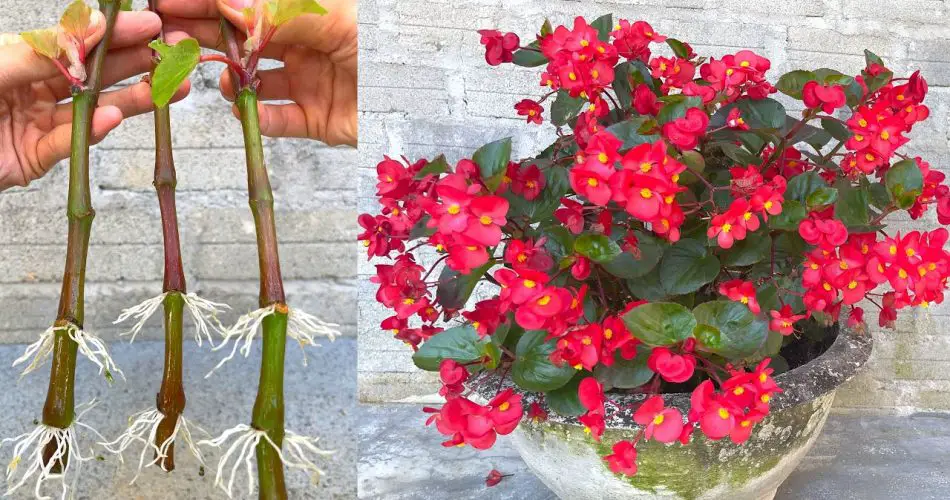
Begonias are celebrated for their vibrant blooms and attractive foliage, making them a popular choice for garden enthusiasts. If you’re looking to propagate begonias and have banana roots at your disposal, you’re in luck. Banana roots can be a surprising ally in successfully propagating begonia branches. Here’s a straightforward guide to help you propagate begonias using banana roots, ideal for country gardens.

1. Understanding the Benefits of Banana Roots
Banana roots are not just for growing banana plants—they offer several advantages for propagating begonias:
- Rich in Nutrients: Banana roots are packed with potassium, calcium, and phosphorus, essential nutrients that support root development and overall plant health.
- Soil Improvement: They help enhance soil fertility, creating a more favorable environment for begonia growth.
- Natural Growth Stimulant: The natural compounds in banana roots can act as a growth stimulant, encouraging the successful rooting of begonia branches.
2. Preparing to Propagate Begonias
A. Selecting Begonia Branches
- Healthy Branches: Choose healthy, non-flowering branches from your begonia plant. Ensure they are free from disease and pests.
- Length: Cut branches that are about 3-4 inches long, with at least 2-3 leaves.
B. Preparing Banana Roots
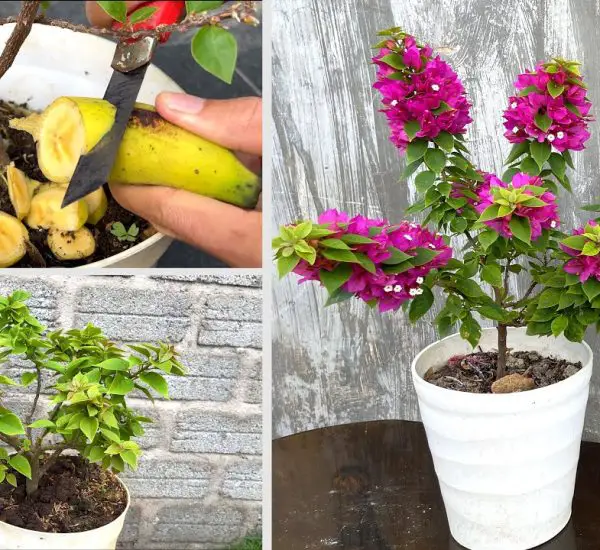
- Source: Obtain banana roots from a banana plant or use banana peels if roots are unavailable. Banana peels can be used as a nutrient-rich soil amendment.
- Preparation: If using actual banana roots, wash them thoroughly and cut into small pieces. If using banana peels, chop them into smaller bits.
3. Propagation Process
A. Preparing the Planting Medium
- Mix: Combine banana root pieces (or chopped banana peels) with a well-draining potting mix. A mix of peat moss, perlite, and vermiculite works well.
- Soil Preparation: Ensure the soil is moist but not waterlogged.
B. Planting Begonia Branches
- Make Holes: Create small holes in the prepared soil mixture where you will place the begonia branches.
- Insert Cuttings: Insert the begonia branches into the holes, ensuring that at least one node (the area where leaves were attached) is buried in the soil.
- Water: Gently water the soil to help settle it around the cuttings.
4. Caring for Propagated Begonias
A. Light and Temperature
- Light: Place the container in a location with bright, indirect sunlight. Avoid direct sunlight, which can scorch the cuttings.
- Temperature: Maintain a warm environment, ideally between 65-75°F (18-24°C), to encourage rooting.
B. Watering and Humidity
- Watering: Keep the soil consistently moist but not soggy. Water when the top inch of soil feels dry.
- Humidity: Increase humidity by covering the container with a clear plastic bag or placing it in a humidity tray.
C. Fertilizing
- Timing: Wait until the cuttings have developed a strong root system before applying fertilizer. Use a balanced, diluted fertilizer every 4-6 weeks.
5. Transplanting and Ongoing Care
- Transplanting: Once the begonia cuttings have established a robust root system and show new growth, they can be transplanted into larger pots or directly into the garden.
- Ongoing Care: Continue to provide bright, indirect light, regular watering, and occasional feeding to ensure healthy growth and vibrant blooms.
6. Troubleshooting Common Issues
- Root Rot: Avoid overwatering and ensure proper drainage to prevent root rot.
- Pest Problems: Watch for pests such as aphids or mealybugs. Treat with insecticidal soap or neem oil as needed.
- Leaf Drop: If leaves start to drop, check for issues with watering, light, or temperature.
In Summary
Using banana roots to propagate begonia branches is a creative and effective method that leverages the natural benefits of banana plants. By following these steps—preparing your planting medium, caring for the cuttings, and providing the right environment—you can successfully propagate begonias and enjoy their beautiful blooms in your country garden. Embrace this natural approach and watch your begonias thrive and flourish.