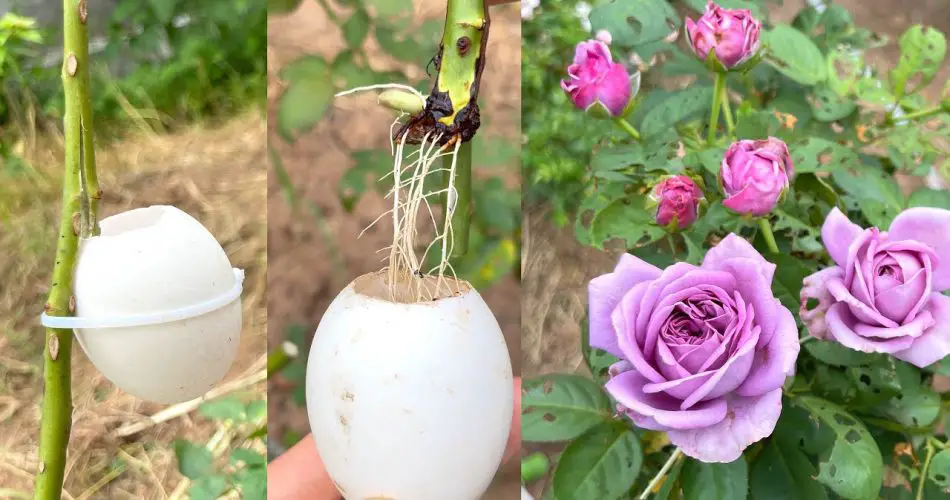
If you’ve ever wanted to grow roses from cuttings but struggled to get them to root, there’s a simple and natural solution you may not have considered—using eggshells! This innovative propagation method not only helps your rose cuttings thrive but also takes advantage of a readily available, eco-friendly material to boost your plant’s growth.
In this article, we’ll guide you through the process of using eggshells to propagate rose branches and turn them into healthy, thriving plants. Let’s dive into this unique and effective technique!
Why Use Eggshells for Propagating Roses?
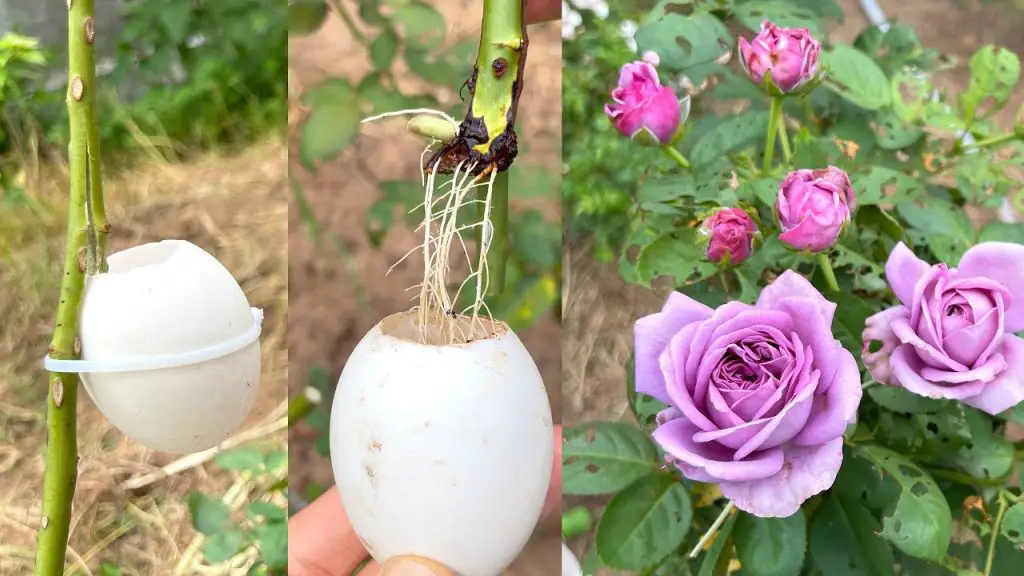
Eggshells are rich in calcium, which is an essential nutrient for strong root development. When used in propagation, eggshells provide the cuttings with the necessary support to grow strong roots. Additionally, eggshells help regulate the pH of the soil, providing a more fertile environment for your rose cuttings to take root.
By using this natural method, you not only save money on rooting hormones but also create a more sustainable way to propagate your roses. Plus, the eggshells decompose slowly, providing ongoing nutrients to the growing plant.
Step-by-Step Guide to Propagating Rose Branches Using Eggshells
Follow these simple steps to propagate your rose branches successfully with eggshells:
Step 1: Prepare the Rose Cutting
- Select a healthy rose stem: Look for a young, non-flowering rose branch that is about 6 inches long. Make sure it has no signs of disease or pests.
- Cut the stem: Use a sharp, clean pair of scissors or pruning shears to cut the stem at a 45-degree angle just below a leaf node.
- Remove leaves: Gently remove the lower leaves from the cutting, leaving just a few at the top.
Step 2: Prepare the Eggshell Pot
- Collect eggshells: Collect empty eggshells from your kitchen. You’ll need enough to fill the bottom of a small pot or container.
- Crush the eggshells: Use your hands or a pestle to crush the eggshells into smaller pieces. Aim for pieces about the size of a dime. This will help them break down quickly in the soil and provide nutrients to the rose cutting.
- Fill the pot: Place the crushed eggshells in the bottom of a small pot or container to create a nutrient-rich base for the cutting.
Step 3: Insert the Rose Cutting
- Make a hole in the eggshells: Use a pencil or stick to create a small hole in the eggshell layer.
- Place the rose cutting: Gently insert the rose cutting into the hole, making sure the stem is fully submerged in the soil, with the remaining leaves above the soil surface.
- Cover the cutting: Fill in the hole with more potting soil around the cutting, making sure it is secure. You can also add a thin layer of crushed eggshells on top of the soil for added nutrients.
Step 4: Care for the Rose Cutting
- Water lightly: Water the cutting gently, ensuring the soil is moist but not soaking wet.
- Create a greenhouse effect: To help the cutting retain moisture, cover the pot with a clear plastic bag or a plastic dome. This will create a humid environment that encourages root growth.
- Place in indirect light: Set the pot in a location that receives bright, indirect sunlight. Avoid placing it in direct sunlight, as this can cause the cutting to dry out.
Step 5: Wait for Roots to Develop
- Be patient: It can take several weeks for the cutting to develop roots. During this time, the eggshells will slowly break down, providing nutrients to the cutting and supporting its growth.
- Check for roots: Gently tug on the cutting after a few weeks to see if it has developed roots. If there’s resistance, the roots are beginning to form!
- Remove the plastic cover: Once the cutting has rooted, remove the plastic cover and continue to care for the new rose plant as it grows.
Step 6: Transplant the New Rose Plant
- After a few months, the new rose plant will be ready to transplant into a larger pot or directly into your garden. Ensure that the soil is well-drained, and provide plenty of sunlight to encourage strong, healthy growth.
Why This Method Works So Well
- Eggshells provide calcium that promotes strong root development and overall plant health.
- Banishing the need for rooting hormones, eggshells are an all-natural alternative that enriches the soil.
- The humidity created by the plastic cover and the nutrient-rich soil helps the cutting establish a healthy root system, making it more likely to succeed.
- The method is eco-friendly and uses materials that would otherwise go to waste.
Conclusion: A Simple, Natural Way to Grow Beautiful Roses
Using eggshells to propagate rose branches is an incredibly effective and sustainable method that every rose lover should try. By combining the natural power of eggshells with a little patience and care, you can grow your own beautiful roses from cuttings.
Next time you’re enjoying eggs for breakfast, remember that those eggshells could be the secret to your successful rose garden! Try this simple method and watch your rose cuttings grow into strong, healthy plants with ease.