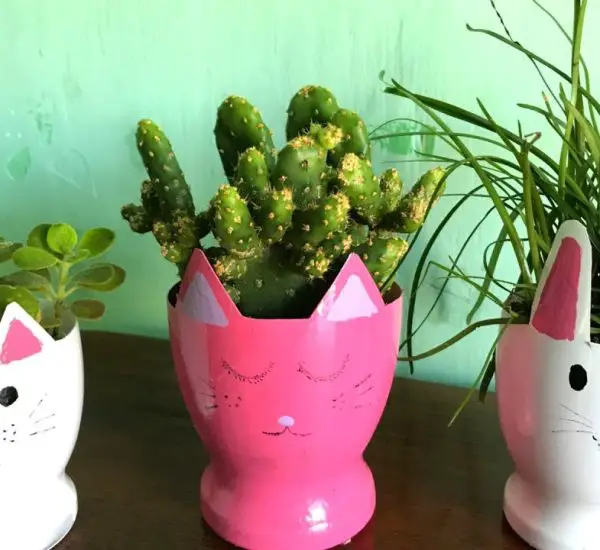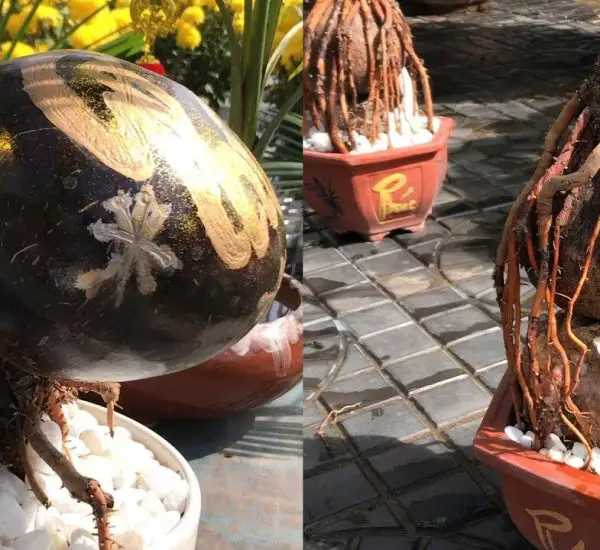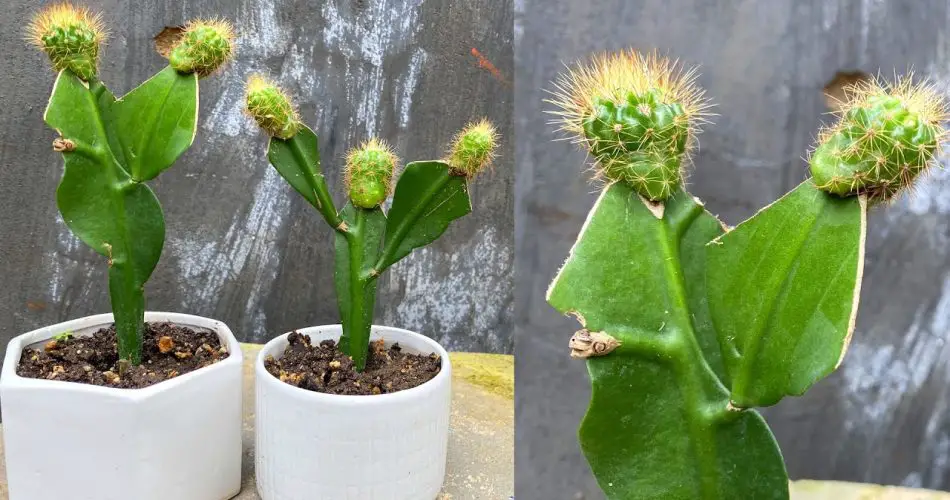
Transplanting cacti can be a rewarding process, especially when you decide to graft them onto another plant, such as the Epiphyllum. This technique not only helps improve growth but also creates a stunning visual display in your garden. Here’s a comprehensive guide on how to successfully transplant cacti and graft them onto an Epiphyllum plant.
Understanding Grafting
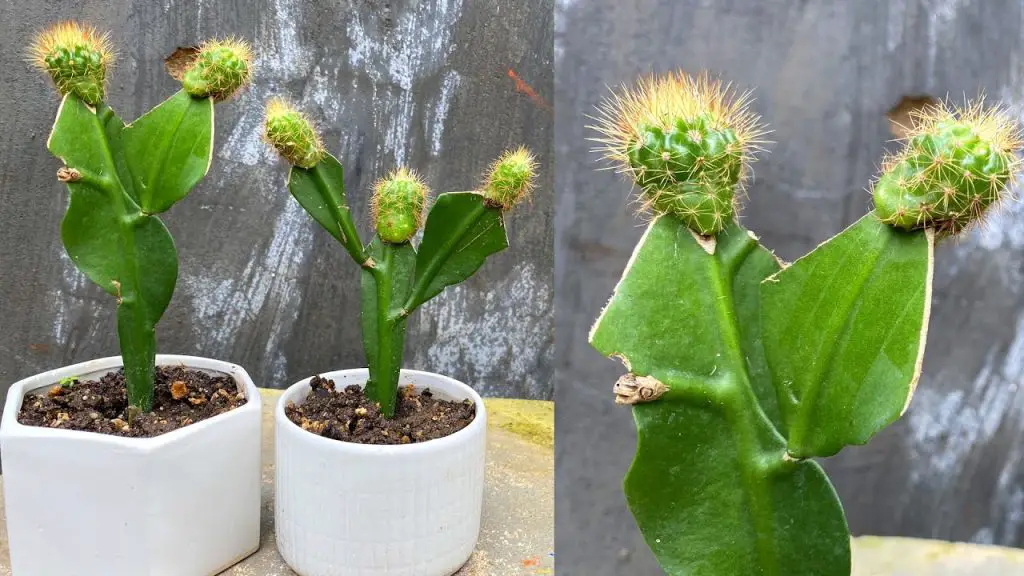
Grafting involves joining two different plants together so they grow as one. This method can enhance growth rates, improve resistance to diseases, and even create unique hybrid varieties. The Epiphyllum, commonly known as the orchid cactus, is an excellent choice for grafting due to its robust growth and compatibility with various cactus species.
Steps to Transplant Cacti and Graft onto Epiphyllum
1. Gather Your Materials
You’ll need:
- Healthy cactus cuttings
- Epiphyllum plant
- Sharp knife or grafting tool
- Potting mix (well-draining)
- Gloves (for protection)
2. Prepare the Epiphyllum Plant
- Choose a Healthy Epiphyllum: Select a strong and healthy Epiphyllum as your rootstock. Look for one with thick stems and vibrant growth.
- Trim the Top: Use your knife to cut off the top portion of the Epiphyllum, creating a flat surface where you will attach the cactus cutting. This is where your graft will take place.
3. Prepare the Cactus Cutting
- Select the Right Cutting: Choose a healthy cactus cutting that’s around 3-4 inches long. Ensure it has a few healthy segments.
- Make the Cut: Cut the cactus stem at an angle to increase the surface area for grafting. This will help promote healing and growth.
4. Grafting the Cactus onto the Epiphyllum
- Align the Cuts: Carefully place the cut end of the cactus onto the flat surface of the Epiphyllum. Ensure that the cambium layers (the green part just under the bark) of both plants are in contact.
- Secure the Graft: Use grafting tape or twine to gently secure the cactus to the Epiphyllum. This will help hold them together while they heal.
5. Caring for Your Grafted Cactus
- Watering: After grafting, wait about a week before watering. This allows the graft to heal properly. Once healed, water lightly to keep the soil slightly moist.
- Light: Place the grafted plant in a spot with bright, indirect sunlight. Avoid direct sunlight until the graft has established itself.
- Humidity: Maintain a humid environment to promote healing. A plastic bag over the plant can help retain moisture.
6. Monitoring Progress
Over the next few weeks, keep an eye on your graft. You should see new growth from the cactus as it starts to adapt to its new host. The combination of the cactus and Epiphyllum will create a beautiful and unique plant.
Conclusion
Transplanting cacti and grafting them onto an Epiphyllum is a fascinating way to expand your collection and create stunning visual displays. With the right materials and techniques, you can enjoy the beauty of grafted cacti that flourish and thrive. Don’t be afraid to experiment—grafting can lead to unexpected and delightful results in your garden! Happy planting!