Hyacinths are known for their vibrant colors and fragrant flowers that bring life and beauty to any garden or home. One lesser-known method of propagating these lovely flowers is by using branches, similar to how some other plants are propagated. This technique, while unusual for hyacinths, can yield beautiful results and is relatively easy to perform. Whether you’re a beginner gardener or an experienced one, propagating hyacinths through branches is an excellent way to expand your collection. Here’s everything you need to know about this method.
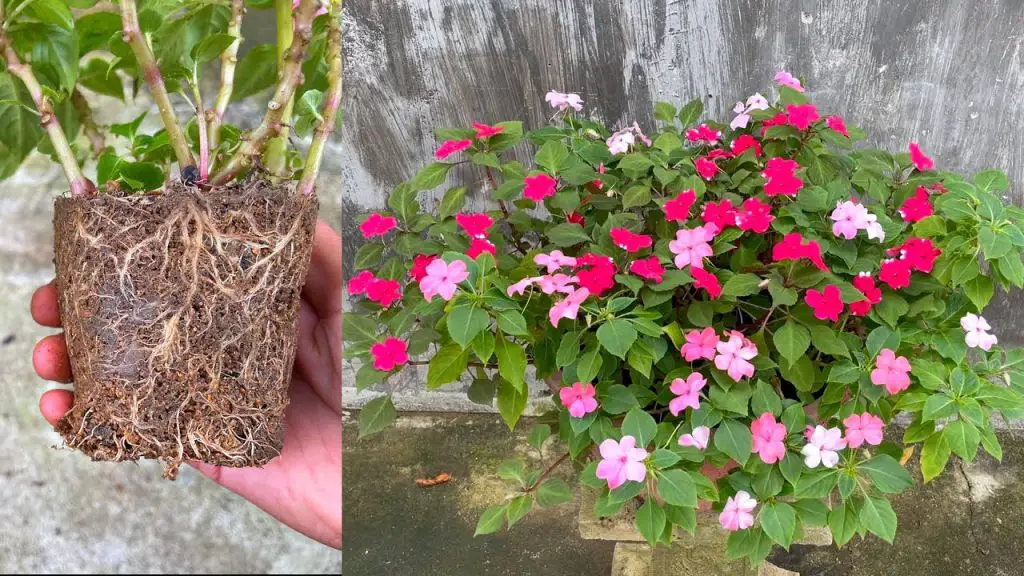
Why Propagate Hyacinths by Branches?
Most people are familiar with propagating hyacinths through bulbs, but using branches to propagate can be a creative and rewarding alternative. Propagation by branches allows gardeners to:
- Expand their collection: If you already own a hyacinth plant, propagating by branches lets you grow new plants without buying additional bulbs.
- Preserve the parent plant: Instead of disturbing the bulb, propagation by branches allows you to keep the original plant intact while producing new blooms.
- Save money: Propagating by branches is a cost-effective way to grow hyacinths, as you won’t need to purchase new bulbs.
How to Propagate Hyacinths Using Branches: A Step-by-Step Guide
Follow these simple steps to propagate your hyacinths using branches:
Materials Needed:
- Healthy hyacinth plant with sturdy branches
- Sharp knife or scissors
- Rooting hormone (optional)
- Small pots with drainage holes
- Well-draining soil (preferably a mix for flowering plants)
- Water
Step 1: Select a Healthy Branch
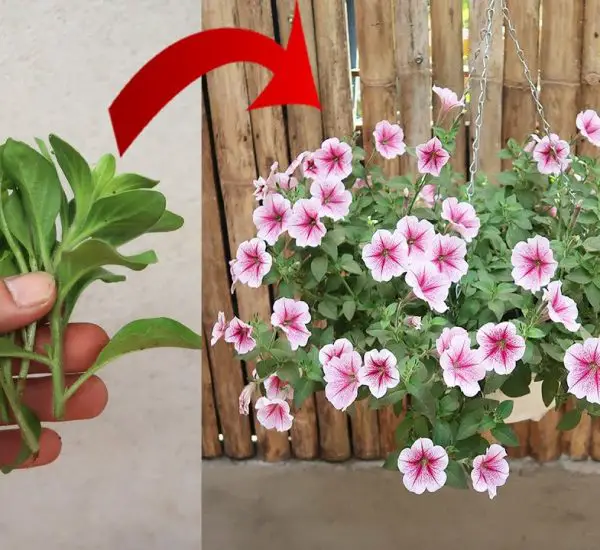
Begin by selecting a healthy branch from a mature hyacinth plant. The branch should be firm, free of disease or damage, and at least a few inches long. While hyacinths typically propagate through their bulbs, you can use a branch that has been cut back or is still attached to the main plant.
Step 2: Cut the Branch
Using a sharp knife or scissors, carefully cut the branch just below a leaf node or growth point. Ensure the branch has at least one node, as this is where roots will begin to develop. A clean cut will help minimize damage and ensure successful rooting.
Step 3: Apply Rooting Hormone (Optional)
To speed up the rooting process, you can dip the cut end of the branch in rooting hormone. This product encourages root growth and helps the branch establish itself as a new plant. While this step is optional, it can increase your chances of success.
Step 4: Prepare the Pot
Fill a small pot with well-draining soil, such as a mix specifically designed for flowers. The soil should be moist, but not soggy, as excess moisture can cause rot. You can also add some perlite or sand to improve drainage.
Step 5: Plant the Branch
Place the cut branch into the pot, ensuring that the cut end is submerged in the soil. Press the soil gently around the branch to secure it in place. If you’ve applied rooting hormone, the branch should be placed in the soil gently to avoid disturbing the powder.
Step 6: Water and Care for the Branch
Water the soil thoroughly to help settle it around the branch. Ensure that the soil remains moist, but not waterlogged. Place the pot in a location with indirect sunlight—too much direct sun can cause the branch to dry out. If needed, you can cover the pot with a plastic bag or a plastic dome to create a humid environment that encourages root development.
Step 7: Wait for Rooting
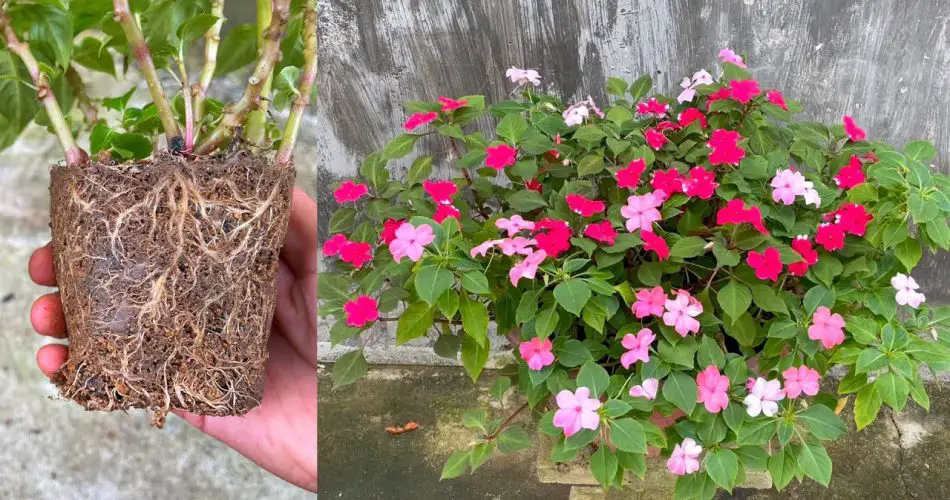
Roots should begin to form in about 2-4 weeks, though this may vary depending on environmental conditions. Keep the soil moist and maintain a humid environment for the best results. Once the branch has developed strong roots, you can transplant it into a larger pot or directly into the ground if weather conditions are suitable.
The Benefits of Propagating Hyacinths by Branches
Using branches to propagate hyacinths offers several advantages:
- Preserves the original bulb: Propagating by branches allows you to expand your collection without disturbing the bulb, which is crucial for maintaining healthy plants.
- Quick growth: Hyacinth branches can establish roots relatively quickly, making them a fast-growing option for gardeners.
- Unique method: Not all gardeners are familiar with propagating hyacinths by branches, making it a creative way to add new plants to your garden.
Conclusion: An Innovative Way to Grow Hyacinths
While most gardeners propagate hyacinths using bulbs, growing them from branches is a unique and rewarding method that provides an alternative way to cultivate these stunning flowers. Whether you’re looking to expand your garden, preserve a prized plant, or try a new propagation technique, growing hyacinths from branches is a simple and effective approach that can yield beautiful results. With patience and care, your new hyacinth plants will grow strong, producing vibrant blooms to enjoy for years to come.