Creating your own compost at home is a fantastic way to recycle kitchen scraps and enrich your garden soil. One effective method involves using yogurt, banana peels, and worms to create nutrient-rich fertilizer. Here’s how to do it!
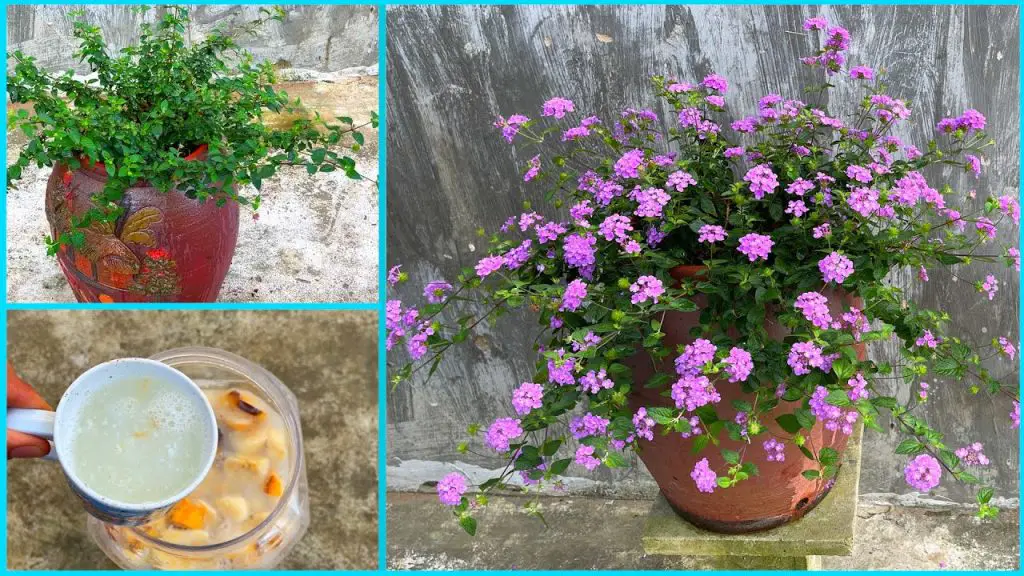
Why Compost with Yogurt, Banana Peels, and Worms?
- Yogurt: Rich in beneficial bacteria that help break down organic matter, yogurt can enhance the microbial activity in your compost.
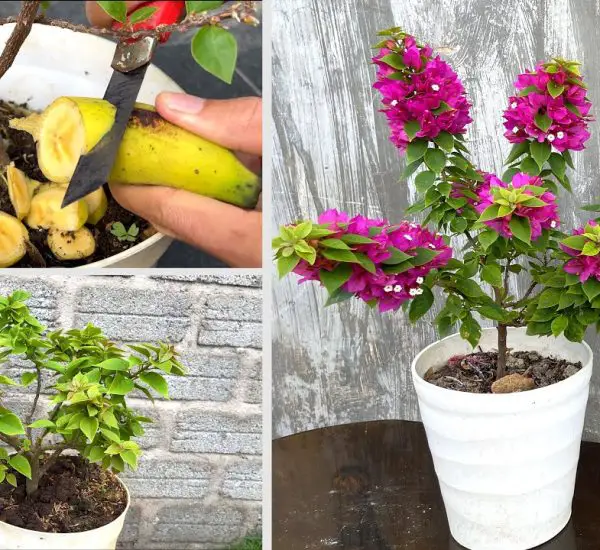
- Banana Peels: Packed with potassium, phosphorus, and calcium, banana peels are excellent for promoting healthy plant growth.
- Worms: Known as nature’s recyclers, worms help decompose organic material and create nutrient-dense worm castings, a key component of high-quality compost.
Materials Needed
- Banana Peels (fresh or dried)
- Plain Yogurt (with live cultures)
- Red Wigglers (composting worms)
- Compost Bin (or a designated compost area)
- Shredded Paper or Leaves (for balance)
- Water (to keep the compost moist)
Step-by-Step Instructions
Step 1: Prepare Your Compost Bin
- Choose a Bin: Use a compost bin or create a compost pile in a designated area of your yard. Ensure it has good drainage and airflow.
- Layering: Start with a layer of shredded paper or leaves at the bottom to help with drainage.
Step 2: Add Banana Peels
- Chop the Peels: Cut banana peels into smaller pieces to speed up decomposition.
- Layer Them: Place the chopped banana peels on top of the shredded paper in your compost bin.
Step 3: Incorporate Yogurt
- Add Yogurt: Spoon in a few tablespoons of plain yogurt over the banana peels. The live cultures will help break down the organic material.
- Mix Gently: Use a pitchfork or shovel to mix the yogurt into the banana peels.
Step 4: Introduce the Worms
- Add Red Wigglers: Sprinkle a handful of composting worms into the bin. They will help decompose the banana peels and yogurt, turning them into rich compost.
- Create a Worm Habitat: If you’re starting with a new bin, ensure there is sufficient bedding material (like shredded paper) for the worms to thrive.
Step 5: Maintain Moisture
- Keep It Moist: Lightly water the compost mixture if it feels dry. The compost should be damp but not soggy.
- Aerate Regularly: Every few weeks, use a pitchfork to turn the compost, allowing air to circulate and speeding up the decomposition process.
Step 6: Monitor Progress
- Watch for Changes: Over time, you’ll notice the banana peels breaking down and the yogurt smell dissipating. The worms will work their magic, turning the mixture into dark, crumbly compost.
- Check Temperature: The compost may heat up as the worms and microbes break down the material. This is a good sign of active composting!
Step 7: Harvest the Compost
- Ready to Use: In about 4 to 6 weeks, your compost should be dark, rich, and earthy-smelling. This indicates it’s ready to use in your garden.
- Apply to Plants: Spread the finished compost around your plants as a top dressing or mix it into your garden beds to improve soil health.
Conclusion
Making compost from yogurt, banana peels, and worms is a simple and effective way to create natural fertilizer for your garden. Not only does this method recycle kitchen waste, but it also enhances soil quality and promotes healthy plant growth. Start your composting journey today and watch your garden thrive with this homemade nutrient boost!
Copy
Show Comments