Grafting roses is a fantastic way to propagate new plants, combining the best traits of different varieties. With the right techniques, you can achieve beautiful blooms and robust plants. Here’s a comprehensive guide with detailed instructions and tips for grafting flowers successfully!
What You Need
Materials
- Rootstock: A healthy rose plant that will serve as the base.
- Scion: A cutting from the desired rose variety.
- Sharp knife or pruning shears: For making clean cuts.
- Grafting tape: To secure the graft.
- Sealant (optional): To protect the graft site from pests and diseases.
Step-by-Step Instructions
1. Choose the Right Time
The best time to graft roses is during the spring when plants are actively growing. Look for healthy, young stems that are about the thickness of a pencil.
2. Prepare the Scion
- Select a healthy scion with at least 3-4 nodes (buds).
- Using your sharp knife, cut a 6-8 inch piece from the stem, making a clean cut at a 45-degree angle.
3. Prepare the Rootstock
- Choose a strong rootstock and make a clean cut about 6 inches above the ground.
- Create a similar 45-degree angle cut at the top of the rootstock to match the angle of the scion.
4. Join the Scion and Rootstock
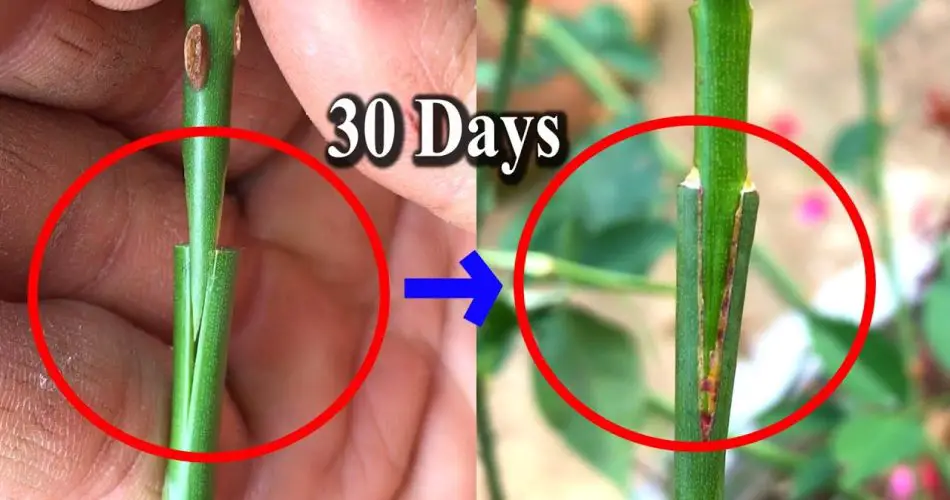
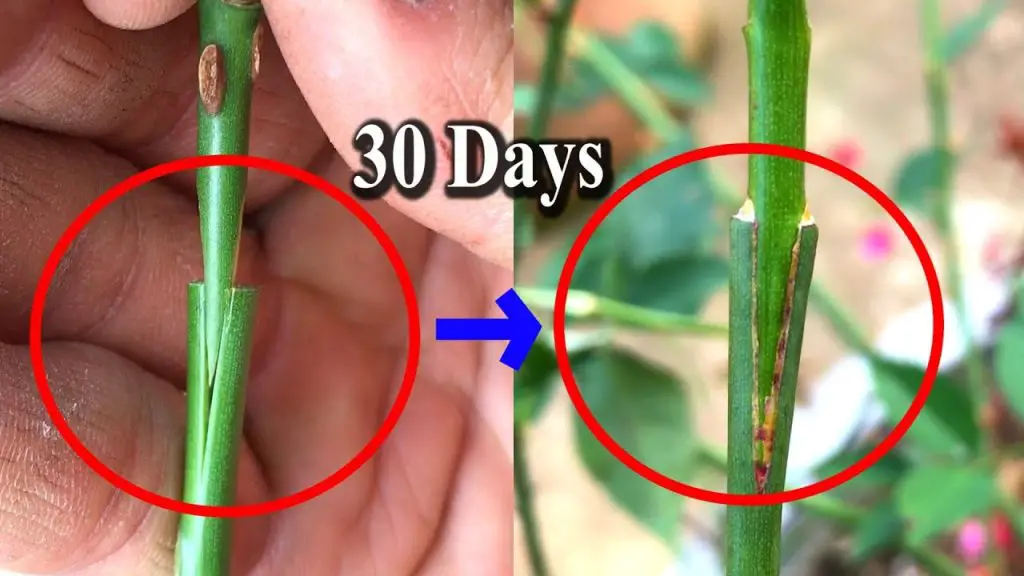
- Insert the scion into the cut on the rootstock, ensuring that the cambium layers (the green layer just beneath the bark) of both pieces are aligned. This is crucial for successful grafting.
5. Secure the Graft
- Wrap the grafting tape around the grafted area, starting below the cut and moving upwards. Ensure it’s snug but not too tight, as it needs room to grow.
- If using a sealant, apply it to the cut areas to prevent moisture loss and protect against pests.
6. Care for the Grafted Plant
- Place the grafted rose in a shaded area for a few weeks to reduce stress.
- Water the plant regularly but avoid overwatering. The soil should be moist but not soggy.
Essential Tips for Successful Grafting
- Choose Compatible Varieties: Ensure the scion and rootstock are from compatible rose species for better grafting success.
- Clean Tools: Always use clean, sharp tools to prevent infections.
- Monitor Growth: After a few weeks, check for signs of new growth. If you see new buds developing, the graft was successful!
- Patience is Key: Grafting may take time. Be patient and avoid disturbing the grafted area.
Conclusion
Grafting roses can be a rewarding experience, allowing you to cultivate stunning blooms and resilient plants. By following these detailed instructions and keeping these tips in mind, you’ll be well on your way to mastering the art of grafting. Happy gardening! 🌹✨
Copy
Show Comments