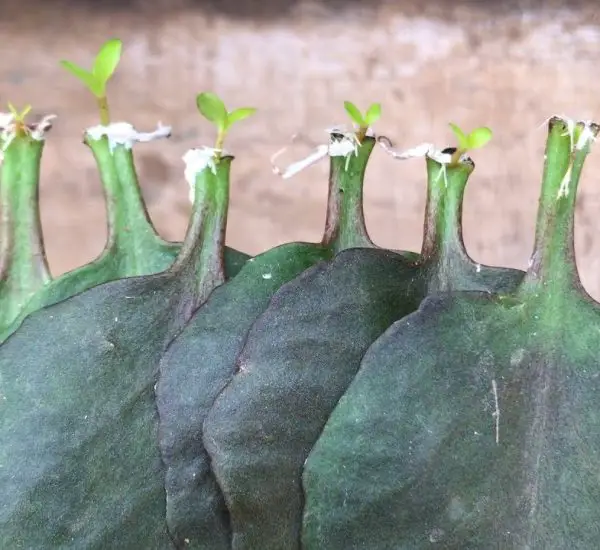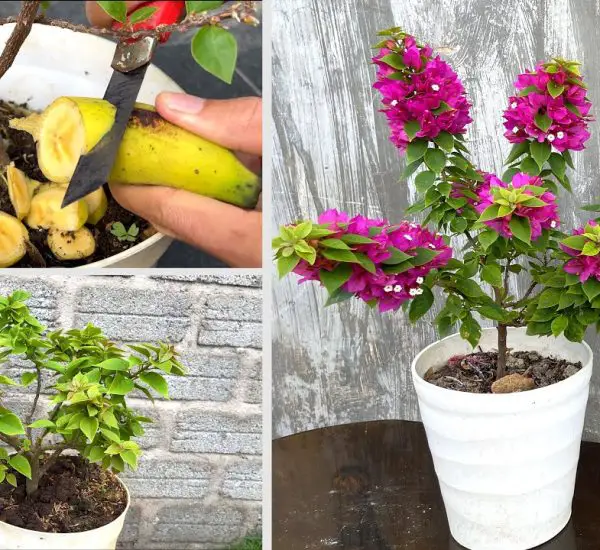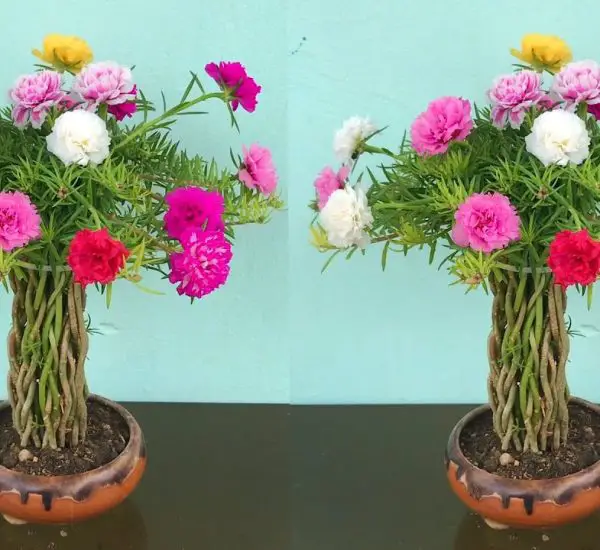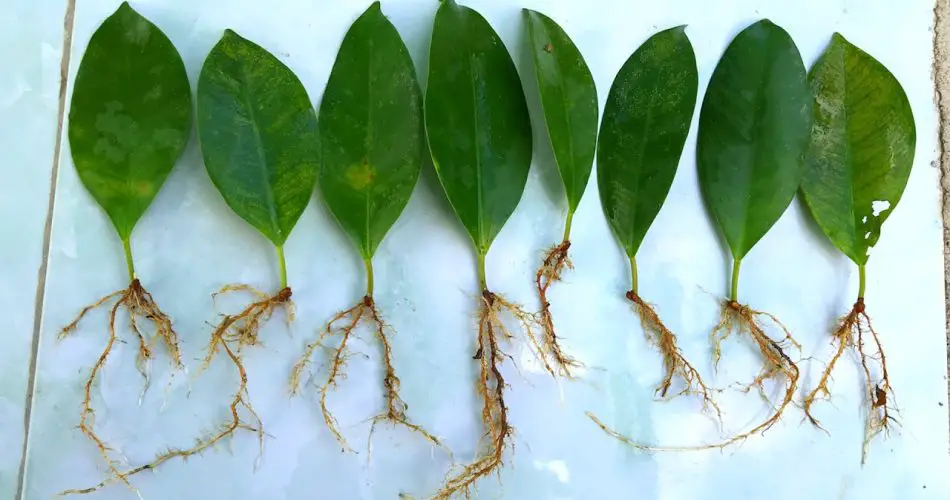
In the world of gardening, nature often reveals astonishing wonders. One of these miracles is the phenomenon of rooted leaves—a process where leaves themselves develop roots and can grow into new plants. This fascinating aspect of plant propagation showcases the resilience and adaptability of nature. Here’s how you can harness this natural marvel to enhance your garden.
Understanding Rooted Leaves
Rooted leaves are an example of vegetative propagation, where a leaf develops roots and can eventually become an independent plant. This process is common in various plant species, offering several advantages:
- Simplicity: Growing new plants from rooted leaves is a straightforward and effective method of propagation.
- Efficiency: This technique can quickly produce new plants without the need for seeds or complex rooting systems.
- Cost-Effective: Utilizing leaves for propagation reduces the need to purchase new plants, making it a budget-friendly option.
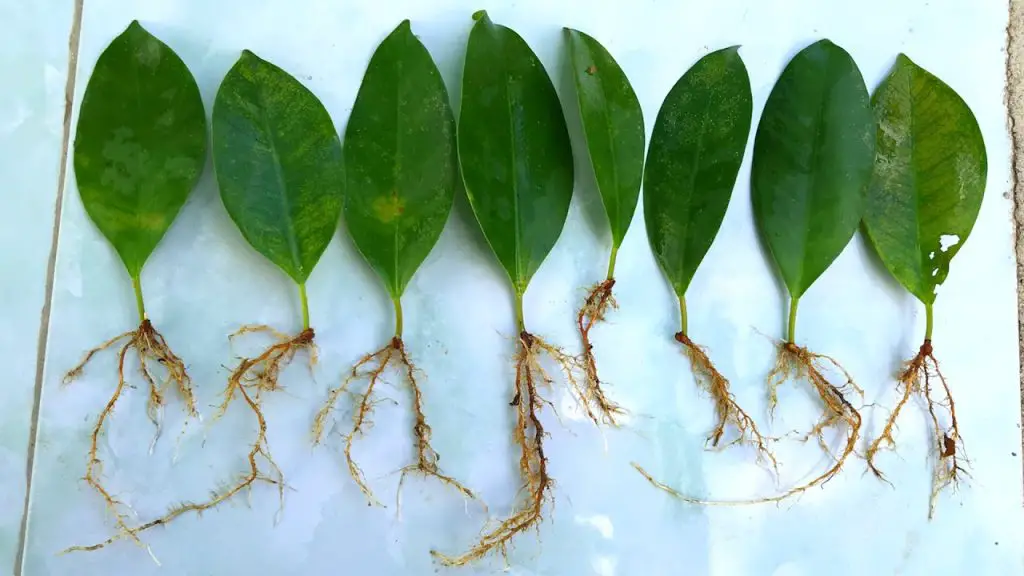
How to Propagate Plants Using Rooted Leaves
Follow these steps to propagate plants from rooted leaves and boost your garden’s vitality:
- Select Healthy Leaves:
- Choose healthy, mature leaves from the parent plant. Ensure they are free from pests or diseases.
- Look for leaves that are firm and robust, as these are more likely to develop roots successfully.
- Prepare the Leaves:
- For plants like begonias or African violets, you can simply cut the leaves and place them in a suitable rooting medium.
- For plants like succulents, let the leaf dry out for a day or two before planting to prevent rot.
- Choose a Rooting Medium:
- Use a well-draining potting mix or vermiculite to support root development. Avoid heavy soils that can retain too much moisture.
- Alternatively, you can place the leaves in a container of water until roots form, then transplant them into soil.
- Plant the Leaves:
- Water Propagation:
- Place the leaf in a container with enough water to cover the base of the leaf but not the entire leaf.
- Change the water regularly to keep it clean and oxygenated.
- Soil Propagation:
- Insert the leaf into the soil, ensuring the base of the leaf is in contact with the soil.
- Lightly water the soil to keep it moist but not soggy.
- Provide Proper Care:
- Place the container or soil in a location with indirect light to promote healthy root growth.
- Maintain a humid environment by covering the container with a clear plastic bag or using a humidity dome.
- Transplant New Plants:
- Once the new plants have developed sufficient roots, you can transplant them into individual pots or directly into your garden.
- Continue to care for the young plants by providing adequate light, water, and nutrients.
Tips for Success
- Monitor Root Development: Regularly check for root growth to ensure the leaves are developing properly.
- Avoid Overwatering: Ensure the medium is moist but not waterlogged to prevent rot.
- Choose the Right Plants: Not all plants propagate easily from leaves. Research specific plants to determine their suitability for leaf propagation.
Harnessing the miraculous process of rooted leaves can significantly enhance your gardening endeavors. This natural method of propagation allows you to grow new plants from simple leaves, leading to a thriving garden filled with vibrant, healthy plants. By understanding and utilizing this process, you can expand your garden and enjoy the wonders of nature’s ingenuity.
Explore the potential of rooted leaves and watch as your garden flourishes with new, robust plants!