Winter Propagation of Kalanchoe Pinnata: What You Need to Know
When it comes to propagating Kalanchoe pinnata using cuttings and leaves in winter, there’s one major challenge you must consider: cold sensitivity.
The Winter Challenge
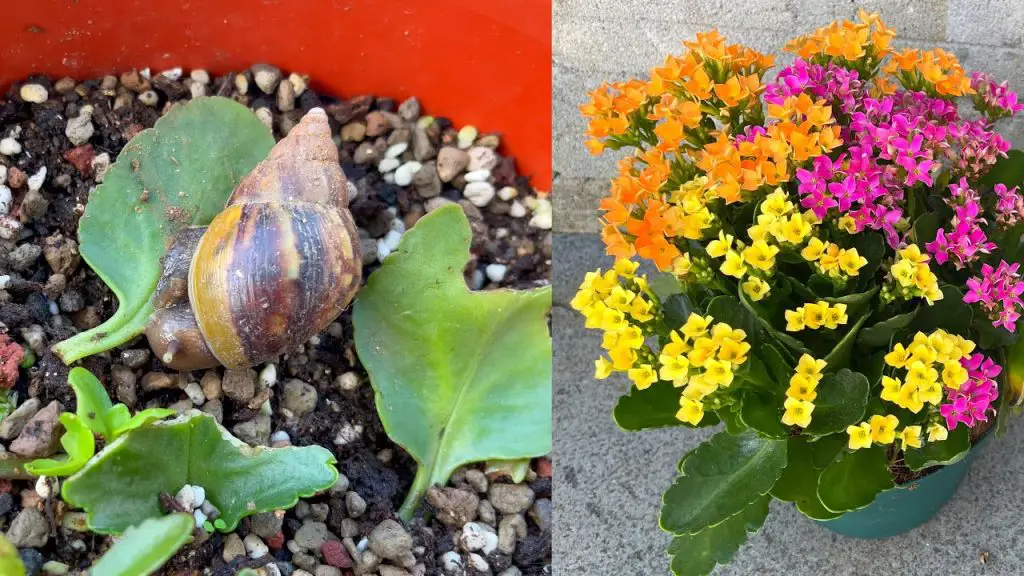
During the winter months, lower temperatures and potential frost can severely impact your propagation efforts. Even though Kalanchoe pinnata is a hardy succulent, it is still vulnerable to:
- Frost Damage: Prolonged exposure to freezing temperatures can cause cellular damage, leading to rot.
- Poor Root Development: Cold conditions may inhibit the rooting process, delaying growth and reducing overall plant vitality.
Tips for Successful Winter Planting
To overcome these challenges and ensure your Kalanchoe pinnata cuttings thrive, keep these key tips in mind:
- Monitor Weather Conditions:
- Keep an eye on the forecast to avoid days with expected frost.
- Consider covering your plants with protective materials on chilly nights.
- Create a Microclimate:
- Plant your cuttings in a sheltered area that retains warmth.
- Using cloches or cold frames can help maintain a stable temperature.
- Adjust Watering Practices:
- Overwatering in cold weather can worsen the effects of frost damage.
- Allow the soil to dry out slightly between waterings to promote healthier rooting.
- Use Quality Soil:
- A well-draining soil mix prevents waterlogging, which is especially important in cold conditions.
- Incorporate organic matter to provide extra insulation and nutrients.
Final Thoughts
While winter propagation of Kalanchoe pinnata presents unique challenges, being aware of the cold sensitivity issue and taking proactive steps can lead to successful growth and vibrant blooms. With careful attention to weather conditions, proper care, and protective measures, you can overcome this critical hurdle and enjoy the beauty of your thriving succulents even during the colder months.
Embrace these tips, and let your Kalanchoe pinnata flourish—despite the winter chill!