When it comes to indoor plants, the key is finding varieties that thrive in low light, require minimal maintenance, and bring a touch of nature into your home. One such plant is the Pedilanthus tithymaloides, commonly known as the Jungle Flame or Devil’s Backbone. This striking succulent is not only easy to care for but also adds a unique, decorative touch to any indoor space. Let’s explore why Pedilanthus tithymaloides is the perfect choice for your indoor garden.
1. Unique Appearance and Features 🌿
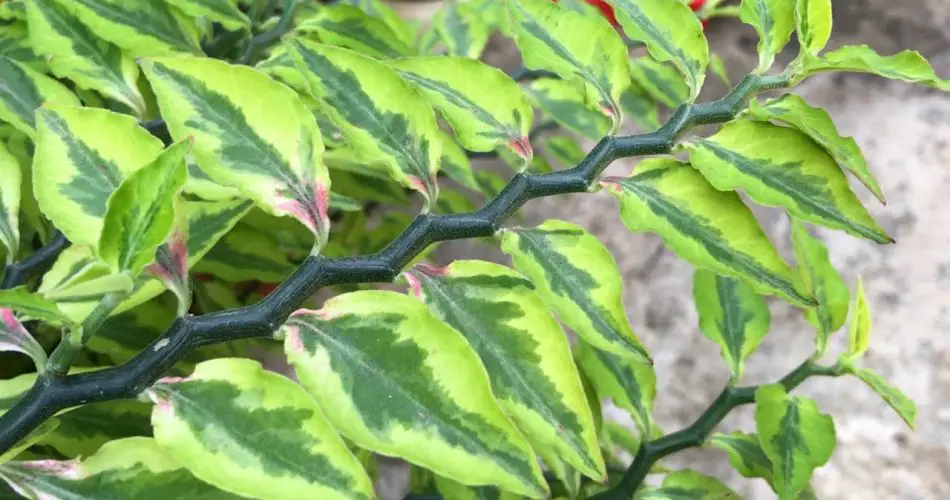
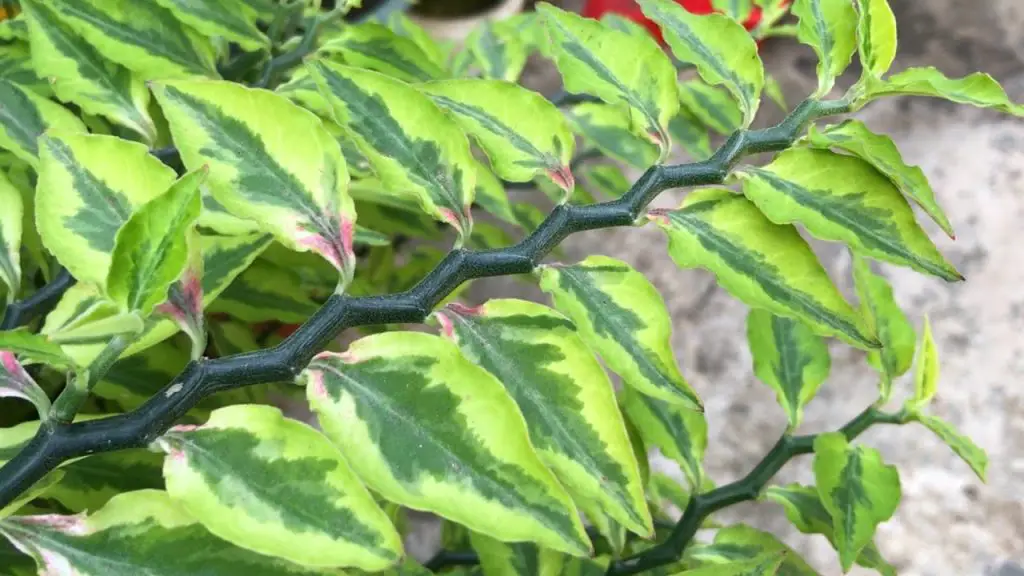
Pedilanthus tithymaloides is a distinctive plant known for its zig-zagging stems and colorful flower-like bracts. The plant’s green stems grow in a zigzag pattern, creating an eye-catching shape that makes it a conversation starter. While the actual flowers are small and inconspicuous, the red, pink, or yellow bracts around the flowers are what make this plant truly special, resembling a flaming flower. These vibrant bracts bloom in clusters and are the highlight of the plant.
The succulent nature of Pedilanthus tithymaloides makes it a low-maintenance option for indoor gardening, which is why it’s a favorite among both beginners and experienced plant enthusiasts.
2. Ideal Growing Conditions for Indoors 🌞
Pedilanthus tithymaloides thrives in bright, indirect sunlight, making it a great plant for windowsills or spots with good light but no direct sun. It’s perfect for homes that don’t receive a lot of direct sunlight or for those who are looking to add some greenery to rooms with lower natural light.
However, like most succulent plants, this species can tolerate periods of neglect. Too much direct sunlight, though, can scorch its delicate leaves. Therefore, finding a balanced light spot is key to keeping this plant healthy and happy indoors.
Tip: Rotate your Pedilanthus tithymaloides pot occasionally to ensure even exposure to light on all sides of the plant.
3. Watering and Care 💧
Pedilanthus tithymaloides is a drought-tolerant plant, making it ideal for indoor environments where overwatering can be a concern. Like most succulents, it’s important to allow the soil to dry out between waterings. During the warmer months, water the plant once every 7-10 days, while in winter, the frequency can be reduced to once every 2-3 weeks. Overwatering is a common mistake that can lead to root rot, so it’s crucial to let the soil dry before watering again.
- Water thoroughly until it drains from the bottom of the pot, but ensure the plant doesn’t sit in excess water.
- Avoid humid environments, as Pedilanthus tithymaloides prefers drier air.
4. Soil and Potting Requirements 🌱
The ideal soil for Pedilanthus tithymaloides is well-draining, allowing excess water to escape quickly. A cactus or succulent mix works well, as it provides the necessary drainage for the roots to thrive. If you prefer to make your own soil mix, blend sand, perlite, and potting soil for a light, fast-draining medium.
Ensure your pot has drainage holes to avoid water buildup at the bottom, which can lead to root rot.
5. Temperature and Humidity 🌡️
Pedilanthus tithymaloides prefers warm temperatures between 65°F to 75°F (18°C to 24°C), making it ideal for indoor conditions. It is not frost-tolerant, so if you live in a region with cold winters, keep your plant indoors year-round.
This plant doesn’t require high humidity, so it can thrive in the typical indoor air conditions. However, if you live in a particularly dry climate, consider placing your plant near a humidifier or misting it occasionally to maintain a bit of moisture in the air.
6. Pruning and Propagation ✂️
Pedilanthus tithymaloides benefits from occasional pruning to maintain its shape and remove any dead or damaged growth. When pruning, wear gloves, as the plant’s sap can cause skin irritation for some people. Use sharp, clean scissors to make clean cuts and prevent infection.
Propagation of Pedilanthus tithymaloides is simple and can be done through cuttings. To propagate:
- Take a healthy stem cutting (about 4-6 inches long) from the plant.
- Let the cutting dry out for 1-2 days to prevent rot.
- Plant the cutting in well-draining soil, and keep it lightly watered.
- Once the cutting establishes roots, it can be transplanted into its own pot.
7. Common Problems and Solutions 🦠
While Pedilanthus tithymaloides is relatively low-maintenance, it’s important to watch out for a few common issues:
- Pests: Occasionally, aphids or spider mites may attack the plant. Use a gentle insecticidal soap to remove pests.
- Yellowing leaves: This could be a sign of overwatering or poor drainage. Make sure the soil is drying out between waterings and the pot has drainage holes.
- Leaf drop: If your plant drops leaves, it may be due to low light, underwatering, or sudden temperature changes. Ensure your plant is in a spot with consistent lighting and temperatures.
8. Benefits of Pedilanthus Tithymaloides 🌱
Aside from being a beautiful and unique addition to your indoor garden, Pedilanthus tithymaloides has several air-purifying benefits. It helps improve the air quality in your home by removing toxins and producing oxygen. With its low-maintenance care and unique aesthetic, it’s a great choice for urban gardeners or those with busy lifestyles.
Conclusion: The Perfect Indoor Plant 🌿
Pedilanthus tithymaloides, with its striking appearance and ease of care, is an excellent choice for anyone looking to grow plants indoors. Its ability to thrive in various lighting conditions, tolerate drought, and require minimal maintenance makes it a perfect fit for beginner gardeners or those seeking a plant that adds color and character to their indoor spaces.
By following the simple care tips outlined above, you can enjoy the beauty of Pedilanthus tithymaloides in your home for many years to come.