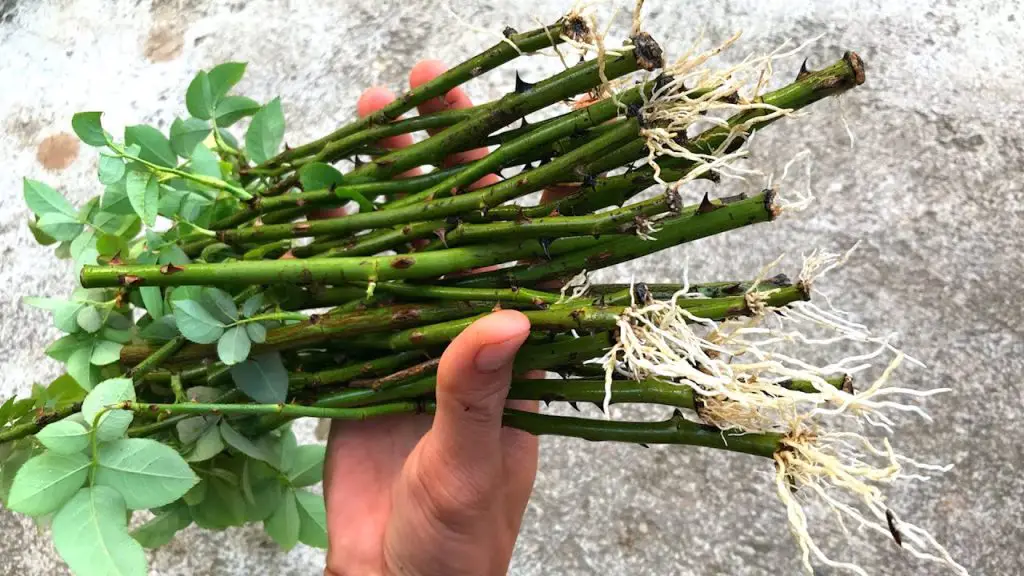
Propagation of roses through cuttings is a rewarding and cost-effective way to expand your garden with beautiful blooms. One of the most reliable methods involves rooting rose branches in sand, ensuring they develop strong, healthy roots before transplanting into soil.
Choosing and Preparing Rose Branches
Start by selecting healthy rose branches from a mature plant. Ideally, choose stems that are about pencil-thick and free from diseases or pests. Cut the branches at a 45-degree angle just below a leaf node.
Preparing the Sand Medium
Fill a container with well-draining sand. You can use coarse river sand or a specialized propagation sand mix. Moisten the sand slightly to provide a conducive environment for root development.
Planting the Rose Cuttings
- Prepare the Cuttings: Remove any leaves from the lower half of the rose branches to expose nodes where roots will form. Dip the cut ends into rooting hormone powder to encourage root growth.
- Insert into Sand: Create holes in the sand using a pencil or stick. Carefully insert the rose cuttings into the holes, ensuring at least two nodes are buried beneath the surface. Firm the sand gently around the base of each cutting to provide stability.
- Provide Care: Place the container in a bright location with indirect sunlight. Keep the sand moist but not waterlogged. Mist the cuttings occasionally to maintain humidity around them.
Rooting Process and Transplanting
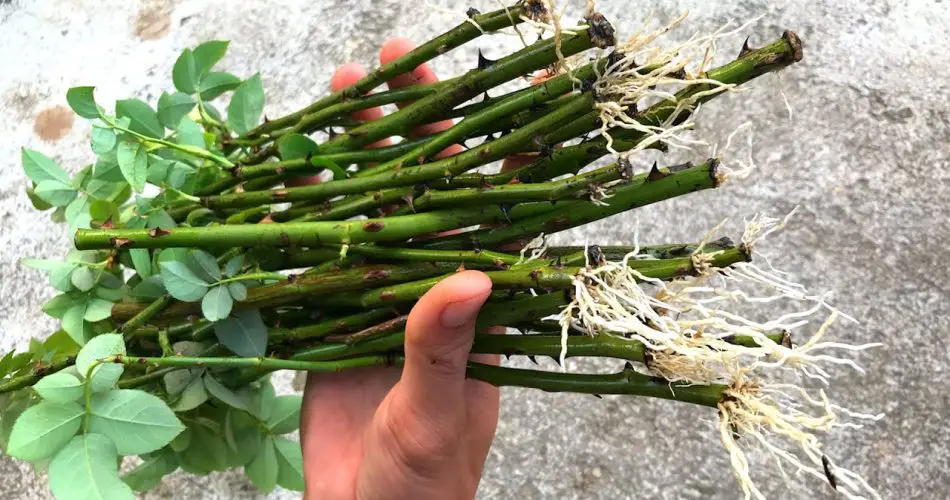
Over the next few weeks, monitor the rose cuttings for signs of new growth. Roots should begin to emerge from the buried nodes within 4-6 weeks. Once roots are well-developed (typically 6-8 weeks), gently tug on the cutting to check resistance—a sign that roots have anchored into the sand.
Transplanting into Soil
When the roots are established, carefully transplant the rooted rose cuttings into individual pots filled with well-draining potting soil. Water them thoroughly after transplanting and place them in a location with filtered sunlight.
Tips for Success
- Timing: Propagate rose branches during the growing season, typically in spring or early summer, when plants are actively growing.
- Environment: Maintain consistent moisture and humidity levels during the rooting process to support healthy root development.
- Patience: Rooting roses from cuttings requires patience. Be diligent in caring for the cuttings and allow sufficient time for roots to develop before transplanting.
By following these steps and tips, you can successfully propagate rose branches in sand, ensuring they develop strong root systems and grow into thriving plants. Experiment with different rose varieties to expand your garden and enjoy a bounty of beautiful blooms each season. Happy gardening!