Propagating roses using the method of extracting branches is a time-honored technique that allows gardeners to grow new plants from existing ones. This method is particularly effective for expanding your rose collection or sharing beautiful roses with friends and family. Here’s how to successfully propagate roses by extracting branches for your home garden.
Understanding Rose Propagation
Propagation by extracting branches involves using stem cuttings to grow new rose plants. This method is popular because it’s relatively straightforward and can yield strong, healthy plants when done correctly.
Steps to Propagate Roses by Extracting Branches
- Select Healthy Branches: Choose healthy, mature branches from a well-established rose plant. Look for branches that are disease-free and have vigorous growth. Ideally, the branches should be about 6-8 inches long and have several leaf nodes.
- Prepare the Cuttings: Using sterilized scissors or a sharp knife, cut the branches just below a leaf node. Remove the lower leaves, leaving a few at the top. If necessary, make a diagonal cut at the base to increase the area for root development.
- Dip in Rooting Hormone: For better success, dip the cut end of each branch in rooting hormone powder. This helps stimulate root growth and improves the chances of successful propagation.
- Plant the Cuttings: Place the prepared cuttings in a potting mix designed for rose propagation or a blend of peat moss and perlite. Ensure the mix is moist but not waterlogged. Insert the cuttings into the soil, leaving at least one leaf node above the surface.
- Create a Humid Environment: Cover the pot with a plastic bag or place it in a humidity dome to maintain high moisture levels. This helps the cuttings stay hydrated and promotes root formation.
- Water and Care: Keep the soil consistently moist and ensure good air circulation around the cuttings. Avoid letting the soil become saturated. Provide indirect sunlight to encourage healthy growth.
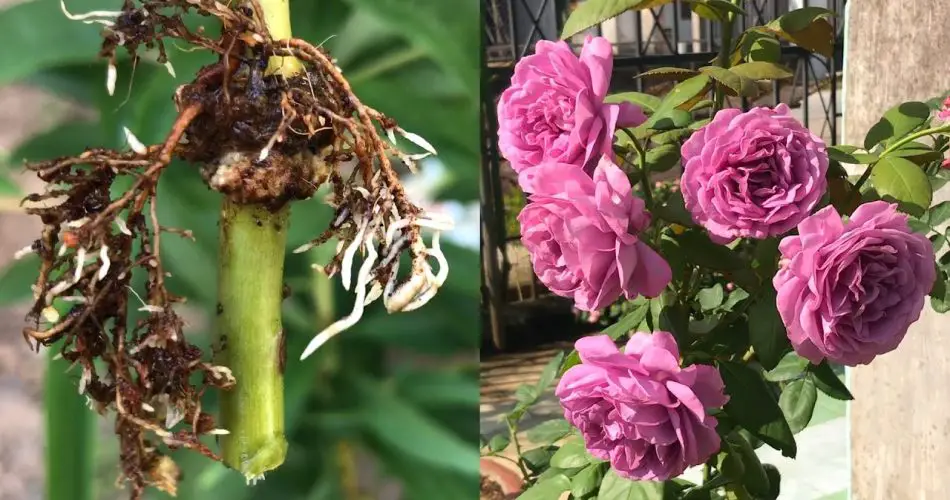
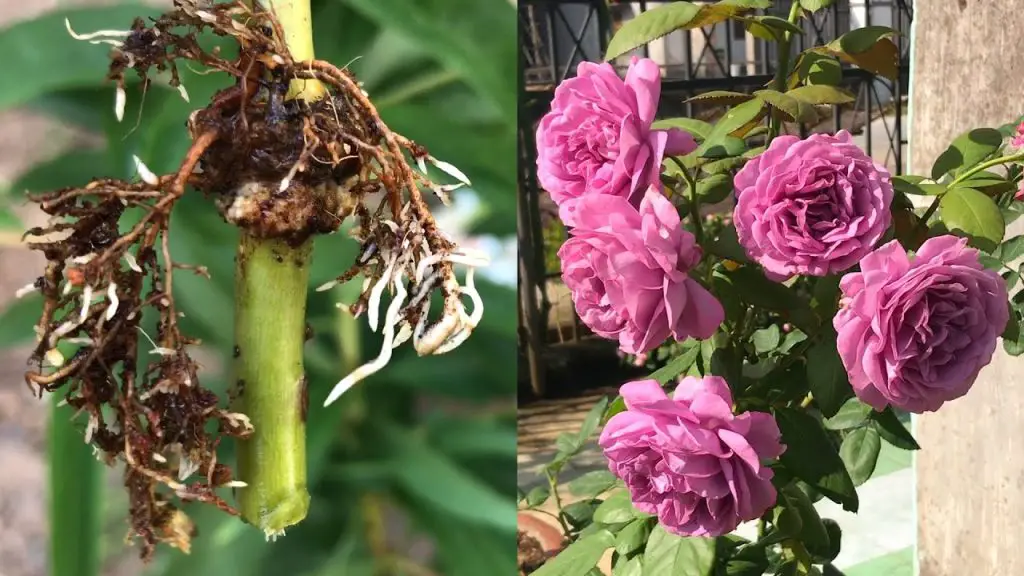
- Monitor Root Development: After a few weeks, gently check for root development by tugging on the cuttings. Once the roots are well-established, typically after 6-8 weeks, you can transplant the new rose plants into larger pots or directly into the garden.
Benefits of Propagating Roses by Extracting Branches
- Cost-Effective: This method is a budget-friendly way to expand your rose collection without purchasing new plants.
- Preserve Varieties: Propagation allows you to preserve specific rose varieties and maintain their unique characteristics.
- Share with Others: Successfully propagated roses make wonderful gifts for friends and family, spreading the beauty of your garden.
Additional Tips
- Choose the Right Time: The best time for taking cuttings is during the dormant season or early spring when the plant is not actively growing.
- Avoid Overwatering: Overwatering can lead to root rot. Ensure proper drainage and monitor soil moisture levels.
Propagating roses by extracting branches is a rewarding and effective method for growing new plants in your home garden. By following these steps, you can successfully propagate healthy rose cuttings, expanding your garden with beautiful blooms. Embrace this technique to enjoy a thriving rose garden and share the joy of gardening with others.