Growing roses is often seen as an art requiring patience and careful technique. However, there’s a new and innovative method gaining popularity among gardeners: creating rose roots from cuttings. This approach offers a reliable way to propagate your favorite roses and expand your garden with minimal effort.
Understanding Rose Propagation from Cuttings
- Selecting the Cutting: Choose a healthy stem from your desired rose plant. Look for a stem that is about the thickness of a pencil and has recently flowered. Ideally, it should be from the current season’s growth.
- Preparing the Cutting: Use sharp, sterilized pruning shears to cut a 6-8 inch (15-20 cm) section of the stem. Make the cut just below a leaf node (where a leaf meets the stem). Remove any flowers or buds from the cutting.
- Creating the Rose Root:
- Remove Lower Leaves: Strip off the leaves from the bottom half of the cutting. This helps reduce moisture loss and prevents rotting.
- Apply Rooting Hormone: Dip the cut end of the stem into rooting hormone powder or gel. This substance contains auxins that stimulate root growth and increase the cutting’s chances of success.
- Planting: Insert the treated end of the cutting into a small pot filled with a well-draining rooting medium, such as perlite or a mix of peat and perlite. Make sure at least one leaf node is buried beneath the soil.
- Caring for the Cutting: Place the potted cutting in a warm, bright location with indirect sunlight. Keep the soil consistently moist but not waterlogged. A plastic bag or dome over the pot can create a mini greenhouse effect, increasing humidity and aiding root development.
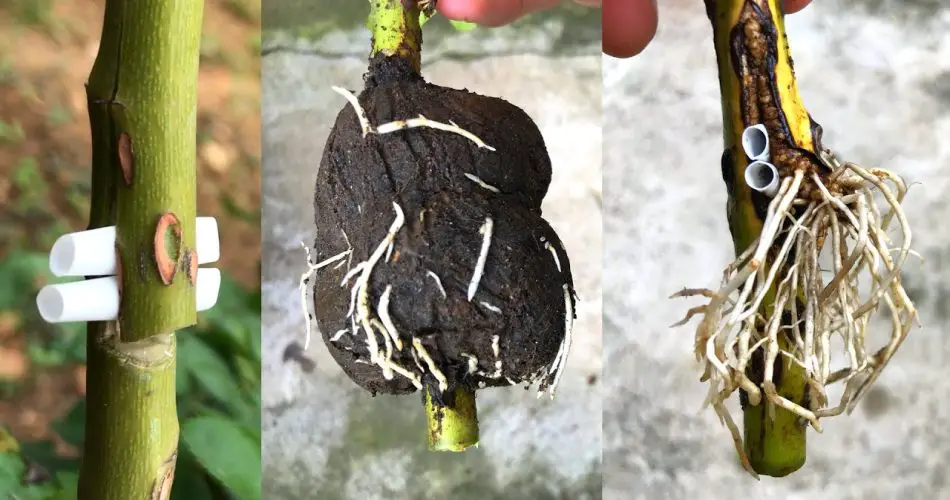
- Transplanting: After several weeks, gently tug on the cutting to check for resistance, indicating root growth. Once roots have developed, usually in 6-8 weeks, carefully transplant the new rose root into a larger pot or directly into the garden.
Benefits of Propagating Roses from Cuttings
- Genetic Continuity: Propagating from cuttings ensures that the new rose root will have the same characteristics as the parent plant, including color, fragrance, and disease resistance.
- Cost-Effective: It’s a cost-effective way to increase your rose collection without purchasing new plants.
- Satisfaction: Successfully growing a new rose root from a cutting can be deeply satisfying and rewarding for gardeners of all skill levels.
Conclusion
Propagating roses from cuttings offers an exciting alternative to traditional methods, allowing you to create new rose roots with ease and precision. By following these steps and understanding the basics of rose root creation, you can expand your garden and cultivate a flourishing collection of these timeless beauties. Embrace this innovative approach to gardening and enjoy the process of nurturing new life from your favorite roses.
Copy
Show Comments