Growing roses from cuttings is an incredibly rewarding experience, but it can sometimes be challenging to get the process right. If you’ve been struggling to propagate your rose cuttings, have you considered using filtered water? Many gardeners have discovered that this simple method can work wonders, promoting root growth and producing healthy new plants.
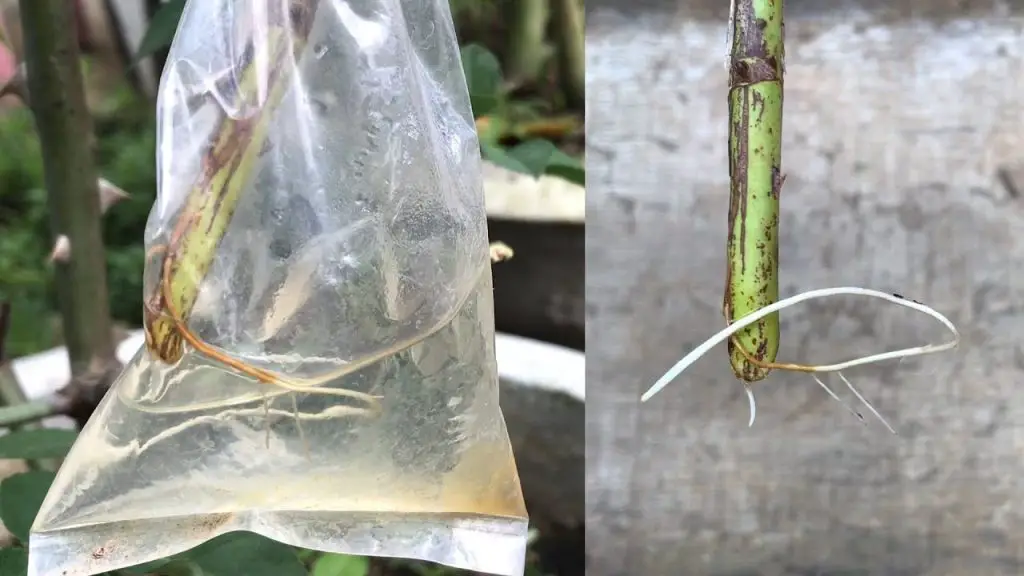
In this article, we’ll explore how using filtered water to propagate roses can give you better results and why this method is worth trying.
Why Use Filtered Water for Rose Propagation?
When propagating roses, the quality of water plays a crucial role. Ordinary tap water may contain chlorine, chloramine, and minerals that can potentially harm your rose cuttings, slowing down the rooting process. Using filtered water eliminates these harmful substances, creating a cleaner environment for your cuttings to grow. Filtered water is free from harsh chemicals and impurities, allowing the rose cutting to focus its energy on developing healthy roots instead of dealing with contaminants.
Key Benefits of Using Filtered Water:
- Cleaner Water: Filtered water removes harmful chemicals and impurities like chlorine, which can stress the cuttings.
- Promotes Healthy Roots: Clean, filtered water encourages faster root development by providing a pure environment.
- Stronger Growth: Roses propagated in filtered water are less likely to suffer from diseases or poor root health.
How to Propagate Roses Using Filtered Water
Follow these simple steps to propagate your roses using filtered water, and enjoy the beauty of new rose plants growing from cuttings:
What You’ll Need:
- Healthy rose stem (cutting)
- Filtered water
- A clear glass or jar
- Sharp scissors or pruning shears
- A warm, bright spot for rooting
Steps:
- Select a Healthy Cutting: Choose a healthy rose stem, ideally from a disease-free rose plant. The cutting should be about 6-8 inches long and have at least 2-3 leaf nodes.
- Cut and Prepare the Cutting: Using sharp scissors or pruning shears, make a clean cut at a 45-degree angle just below a leaf node. Remove any leaves from the bottom half of the cutting, leaving the top leaves intact.
- Place the Cutting in Filtered Water: Fill a clear glass or jar with filtered water, making sure the cut end of the stem is submerged in the water. Be careful not to submerge the leaves in the water, as this can cause rot.
- Change the Water Regularly: Change the filtered water every 2-3 days to keep it fresh and prevent bacteria from developing. This will provide your cutting with clean water and help it develop strong, healthy roots.
- Provide the Right Conditions: Place the jar in a bright spot with indirect sunlight, such as near a window that doesn’t get direct sun. Warm temperatures (around 70°F or 21°C) are ideal for rooting.
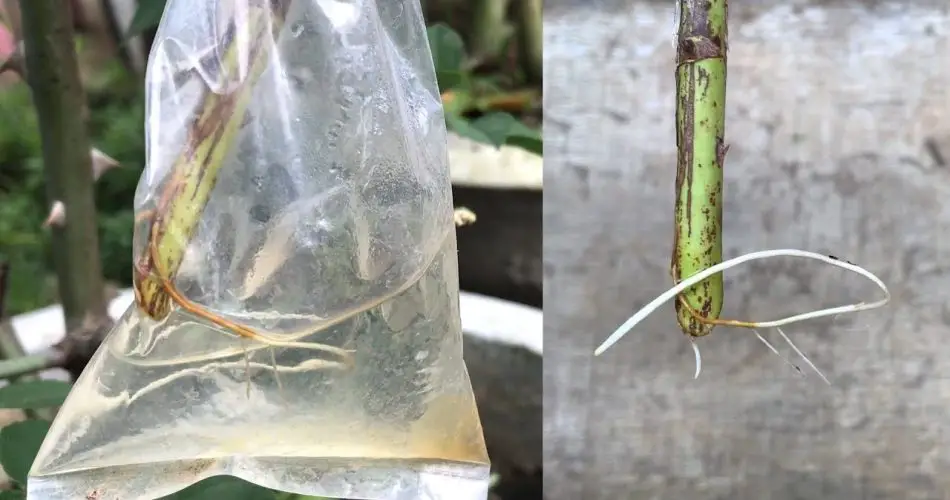
- Wait for Roots to Develop: After about 2-3 weeks, you should begin to see tiny roots forming at the base of your cutting. Be patient, as some rose varieties may take a little longer to root. Once the roots are about 2-3 inches long, your cutting is ready to be planted in soil.
- Plant in Soil: Once the roots are well-developed, transplant your rooted rose cutting into a pot or directly into the garden. Continue to care for it as you would a mature rose plant.
Tips for Successful Rose Propagation with Filtered Water
- Be Patient: Propagating roses takes time. It may take several weeks for your cutting to develop healthy roots.
- Use Fresh Water: Always use fresh filtered water for each new cutting to prevent bacteria buildup.
- Monitor Growth: Keep an eye on your cuttings to ensure they’re not developing any mold or rot. If this happens, remove the cutting from the water and try again.
- Choose Healthy Cuttings: Ensure that the rose cutting you select is from a healthy, thriving plant to give your propagation the best chance for success.
Conclusion
Propagating roses with filtered water is an easy and effective method that many gardeners swear by. By eliminating the chemicals found in tap water, you give your rose cuttings the best chance to thrive and produce strong, healthy roots. Whether you’re new to rose propagation or a seasoned gardener, using filtered water is a simple change that can make a big difference in your results. So, give it a try and enjoy the beauty of your very own rose plants grown from cuttings!