Growing roses from cuttings can be a rewarding and cost-effective way to expand your garden. Not only do you get to enjoy the beauty of these elegant flowers, but you can also repurpose everyday materials like plastic bottles to create the perfect environment for rose propagation. If you want to learn how to grow roses with minimal effort, using recycled materials for your propagation pots is a brilliant and eco-friendly solution.
Why Use Plastic Bottles for Rose Propagation Pots? 🏺
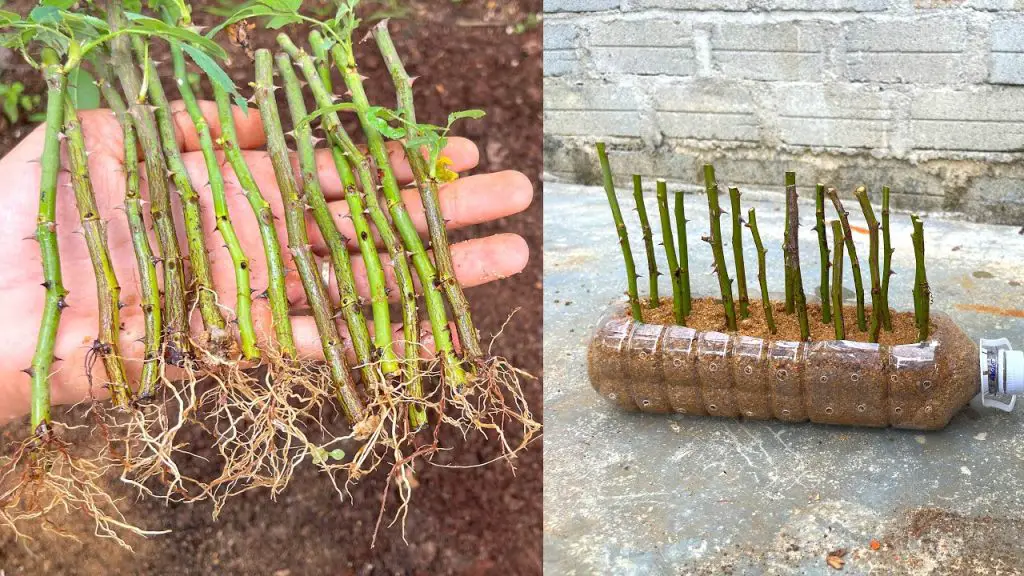
Plastic bottles are a fantastic option for creating rose propagation pots because they are:
- Affordable and easy to find.
- Durable and can withstand the outdoor environment.
- Transparent, allowing you to monitor root development.
By reusing plastic bottles, you contribute to sustainability and help reduce plastic waste, making your gardening practice more eco-conscious.
Step-by-Step Guide to Growing Roses Using Recycled Plastic Bottles 🌿
1. Choose the Right Plastic Bottles
Start by collecting clean, empty plastic bottles. Opt for bottles that are about 2 liters in size, as this will provide enough space for the roots to grow. Transparent bottles are ideal because you can see the development of the roots, but you can also use opaque bottles if transparency isn’t a priority.
2. Prepare the Bottles
- Cut the bottle: Use scissors or a utility knife to carefully cut the bottle in half. The bottom half will serve as the propagation pot, while the top can be used as a mini greenhouse to create a humid environment.
- Create drainage holes: Using a sharp object, poke a few small holes in the bottom of the bottle to allow excess water to drain. This helps prevent root rot and keeps the soil healthy.
- Optional: You can decorate the bottles to make them more visually appealing if they will be placed in visible areas of your garden.
3. Prepare the Rose Cuttings 🌹
- Select healthy rose stems: Choose healthy rose stems from an established plant. Look for a stem that is about 4-6 inches long and has at least two sets of leaves.
- Trim the cutting: Cut the stem just below a node (where the leaves meet the stem). Remove the lower leaves, but keep the upper leaves intact.
- Optional: You can dip the cut end of the stem in rooting hormone to encourage faster root development.
4. Plant the Rose Cuttings in the Bottles
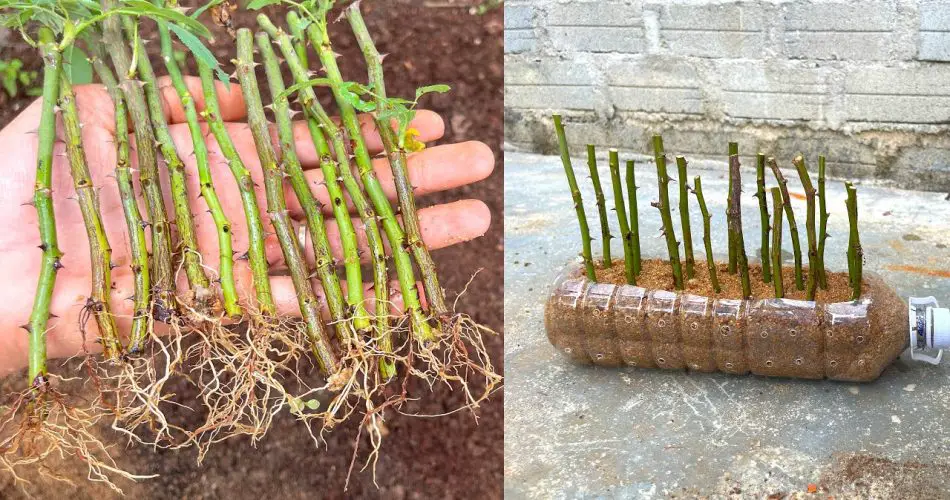
- Fill the bottom half of the bottle with a well-draining potting mix. You can mix perlite or sand with the soil to improve drainage and aeration for the roots.
- Insert the rose cutting into the soil, ensuring that the lower end is buried about 2 inches deep. Firm the soil around the cutting to keep it in place.
- Water the soil gently, ensuring it is moist but not waterlogged.
5. Create a Mini Greenhouse with the Bottle Top
- Take the top half of the bottle and place it upside down over the rose cutting. This will create a humid, greenhouse-like environment for the cutting, helping it retain moisture and warmth.
- If the bottle is transparent, you’ll be able to monitor the conditions inside. If it’s opaque, simply ensure that the cutting gets plenty of indirect sunlight.
6. Care for the Rose Cutting 🌱
- Location: Place the bottle in a warm, bright spot but out of direct sunlight. Too much direct sunlight can cause the cutting to overheat.
- Humidity: Make sure the inside of the bottle remains humid. If it becomes too dry, lightly mist the cutting with water.
- Check for roots: After about 3-4 weeks, check the cutting for root growth. You should be able to see the roots developing through the bottle’s transparent sides. Once the roots are about 2 inches long, it’s time to transplant the new rose plant into a larger pot or directly into your garden.
7. Transplant the Rose 🌹
Once the roots are established, carefully remove the rose cutting from the plastic bottle and transplant it into a larger container or directly into your garden soil. Continue to care for your rose by providing it with adequate water, sunlight, and nutrients.
Why Grow Roses from Cuttings?
- Cost-effective: Growing roses from cuttings eliminates the need to buy expensive plants.
- Preserve your favorite varieties: You can propagate your favorite rose varieties and create clones of plants you love.
- Sustainability: By recycling plastic bottles, you’re reducing waste and promoting an eco-friendly gardening practice.
Tips for Successful Rose Propagation:
- Choose the right time: Late spring to early summer is the best time to take rose cuttings, as the plants are actively growing.
- Keep the cutting hydrated: Rose cuttings need moisture to thrive. Ensure that the soil stays moist but not waterlogged.
- Be patient: Rose propagation can take time. Don’t rush the process; let the cuttings develop roots at their own pace.
Conclusion:
Using recycled plastic bottles for rose propagation pots is a creative, sustainable, and effective way to grow beautiful roses. By following these simple steps, you can propagate your favorite rose varieties, help reduce plastic waste, and enjoy the satisfaction of growing your own stunning blooms. 🌹🌱
Happy gardening! 🌻