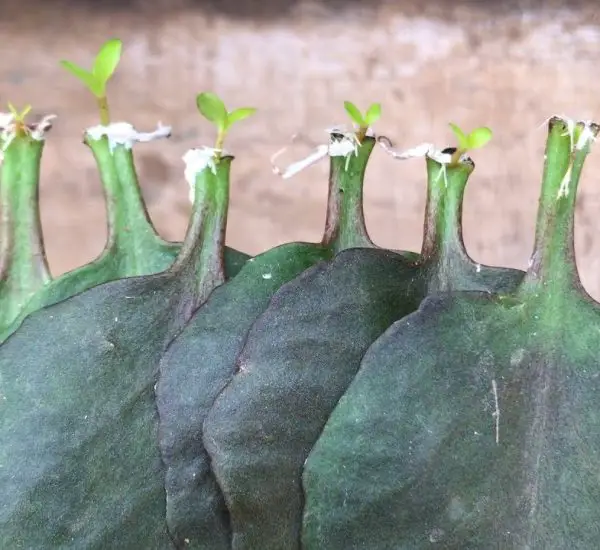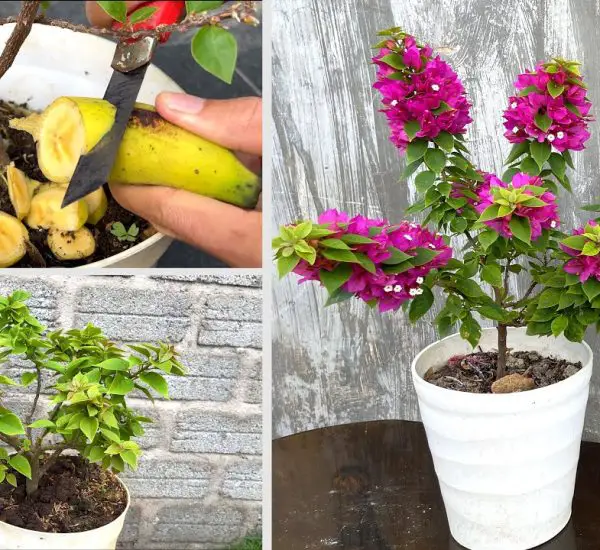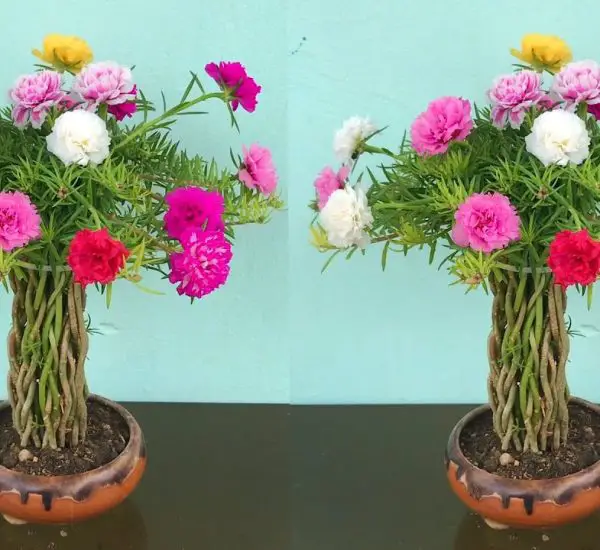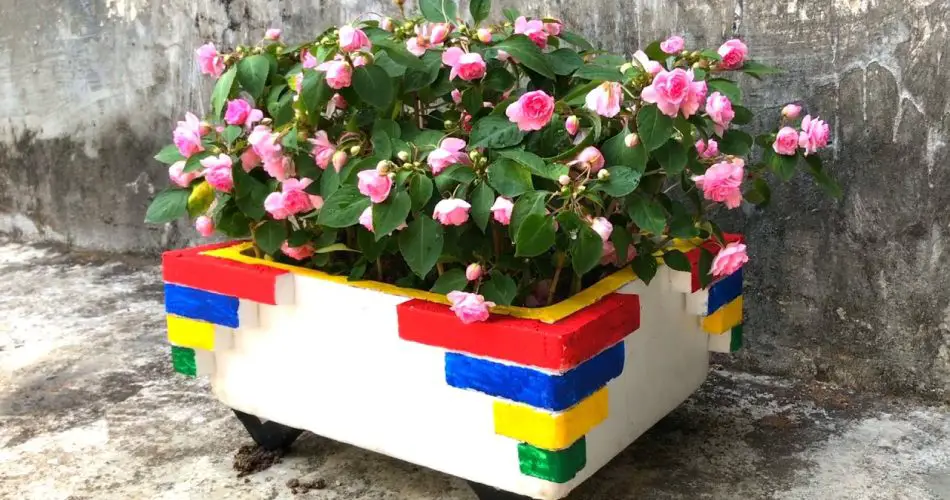
Transforming trash into stunning flower pots is not only a fun and creative activity but also an excellent way to promote sustainability. By repurposing everyday items that would otherwise end up in a landfill, you can add a unique touch to your garden or home. Here’s how to turn waste into beautiful planters!

Why Recycle Trash into Flower Pots?
- Eco-Friendly: Reduces waste and minimizes your carbon footprint.
- Cost-Effective: Saves money by using items you already have.
- Personalized Decor: Allows you to create unique and customized planters that reflect your style.
Materials You Can Use
- Plastic Bottles:
- Cut plastic bottles in half to create lightweight planters. Paint or decorate them for a colorful touch.
- Old Tires:
- Transform old tires into large, durable flower pots. Stack them or paint them for a whimsical look.
- Tin Cans:
- Clean and remove labels from tin cans. Drill holes in the bottom for drainage and paint them for added flair.
- Wooden Pallets:
- Use sections of wooden pallets to create vertical planters or rustic flower boxes. Sand down any rough edges.
- Glass Jars:
- Repurpose glass jars as mini planters. They are perfect for herbs and small flowers.
Steps to Create Your Flower Pots
- Gather Materials:
- Collect items you no longer need, such as plastic bottles, cans, or old pots.
- Clean and Prepare:
- Rinse out any containers to remove residue. For cans, ensure sharp edges are smoothed.
- Create Drainage:
- Drill holes in the bottom of containers (if applicable) to allow excess water to escape. This is crucial for healthy plant growth.
- Decorate:
- Get creative! Use paint, fabric, or natural elements like twine to personalize your pots. This step is where you can truly express your creativity.
- Fill with Soil:
- Add a layer of small stones at the bottom for drainage, followed by potting soil. Ensure it’s appropriate for the type of plants you intend to grow.
- Plant:
- Choose flowers or herbs that suit your recycled pots. Small plants or seedlings work well in these containers.
Maintenance Tips
- Watering: Ensure proper watering according to the plant’s needs. Be mindful of drainage to prevent overwatering.
- Sunlight: Position your pots in an area that receives adequate sunlight based on the plants’ requirements.
- Fertilizing: Use organic fertilizers to nourish your plants, promoting healthy growth.
Conclusion
Recycling trash into beautiful flower pots is a rewarding and environmentally friendly project. By using materials you already have, you can create stunning and personalized planters that enhance your living space while contributing to a more sustainable world. Get creative, enjoy the process, and watch your garden thrive!
Copy
Show Comments