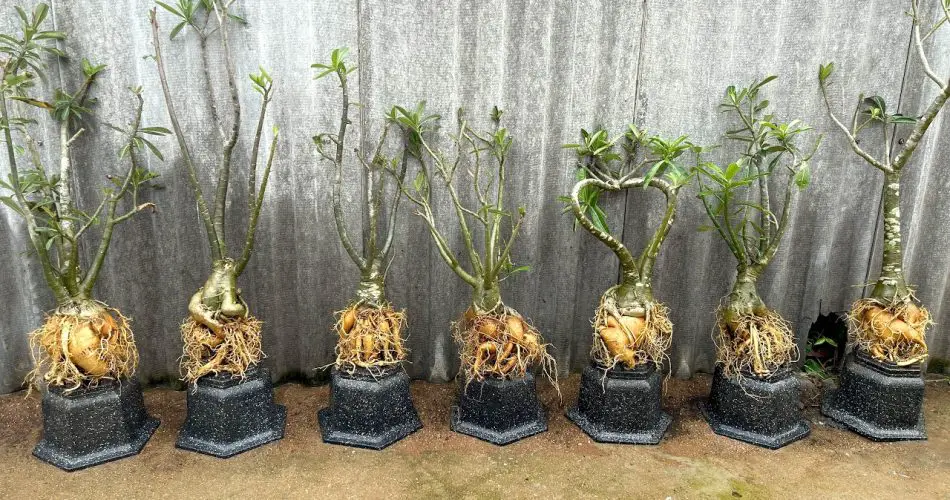
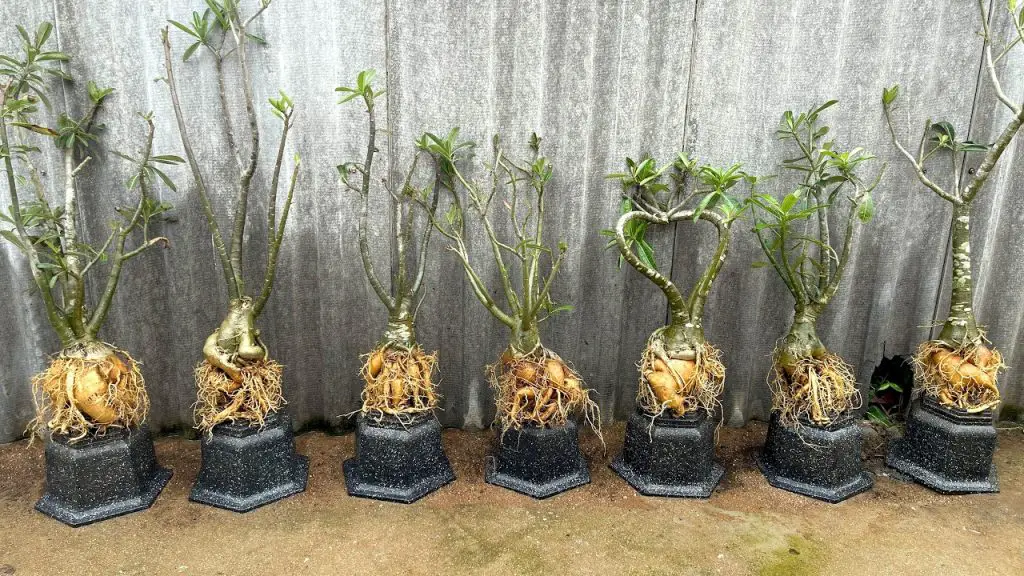
Adenium, also known as the Desert Rose, is a stunning and low-maintenance plant that thrives in well-draining soil. Recently, while changing soil for seven Adenium flower pots, something unexpected happened – we discovered giant bulbs hiding beneath the surface!
Why Change the Soil for Adenium? 🌱
✔ Over time, soil loses its nutrients, affecting plant growth.
✔ Fresh, well-draining soil prevents root rot and promotes healthy roots.
✔ Repotting allows you to inspect the bulbs and remove any damaged roots.
✔ Encourages bigger, more vibrant flowers!
Step-by-Step Guide to Changing Adenium Soil 🏡
What You Need:
🔹 Fresh well-draining soil mix (sand, perlite, and cactus soil)
🔹 Pruning shears for trimming damaged roots
🔹 Gloves to handle the plant safely
🔹 A trowel or small shovel
How to Repot Adenium:
1️⃣ Remove the Plant Carefully – Gently take the Adenium out of the pot, shaking off excess old soil.
2️⃣ Inspect the Roots and Bulbs – Look for rotting or unhealthy roots and trim them with clean pruning shears.
3️⃣ Discover Hidden Bulbs! – Many Adenium plants develop large, swollen bulbs over time, storing nutrients and water.
4️⃣ Prepare the New Soil Mix – Use a fast-draining mix with sand and perlite to avoid excess moisture.
5️⃣ Replant in the New Pot – Place the Adenium in the center, ensuring the bulb is slightly above the soil surface for better aeration.
6️⃣ Water Sparingly – Let the plant settle for a few days before watering to prevent shock.
Shocking Discovery: Giant Bulbs! 🌟
While repotting, we uncovered massive Adenium bulbs, much bigger than expected! These swollen bases help store water and nutrients, making the plant incredibly resilient. If you notice these bulbs in your plant, it’s a great sign of strong growth and proper care!
Final Thoughts 🌸
Repotting Adenium is a rewarding process that revitalizes the plant, encouraging stronger roots and bigger flowers. If you haven’t checked your Desert Rose bulbs yet, try repotting – you might discover something amazing! 🌿✨