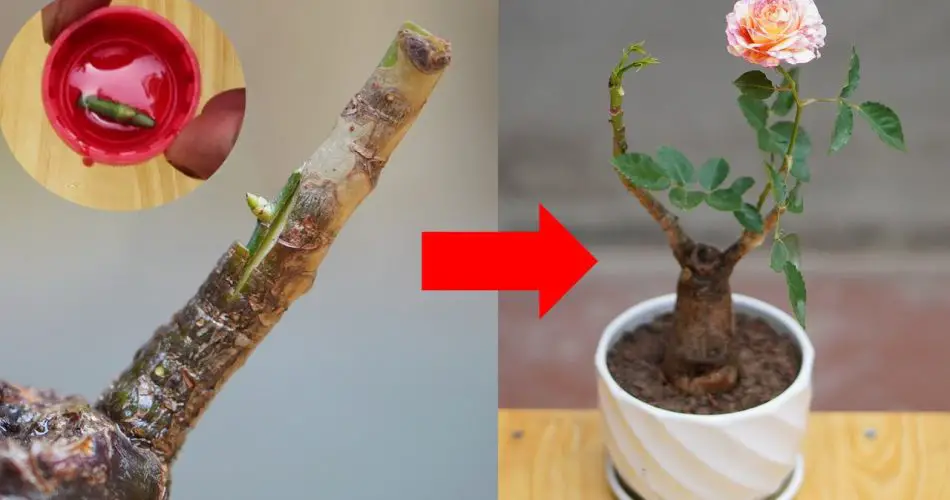
Grafting roses on table cassava plants is a fascinating and innovative technique that allows gardeners to grow beautiful, vibrant roses with a unique twist. This method combines the strong root system of cassava with the delicate beauty of roses, creating a plant that is not only hardy and resilient but also stunningly ornamental.
In this guide, we’ll explore step-by-step instructions on how to successfully graft roses onto cassava plants, ensuring healthy growth and long-lasting blooms.
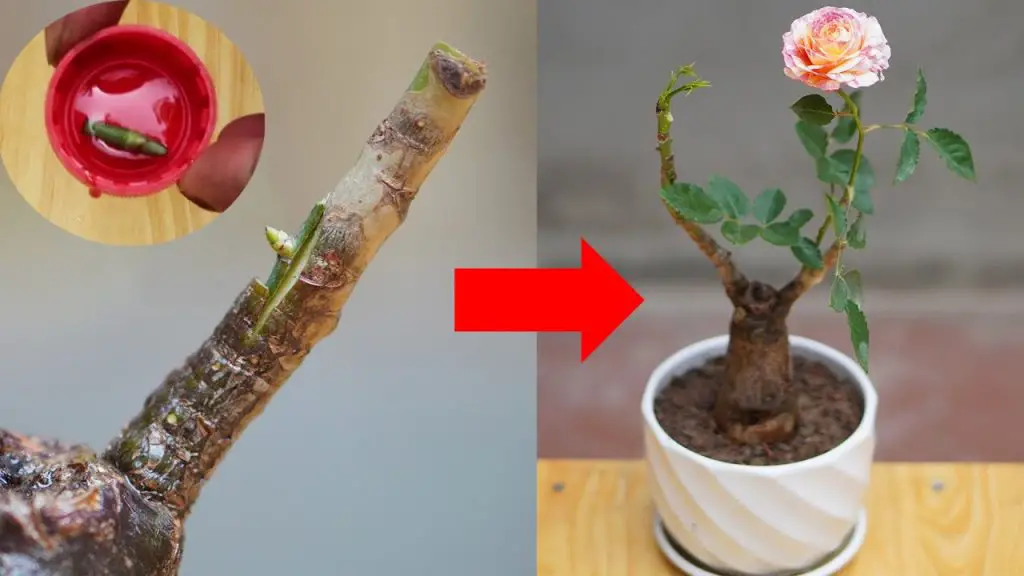
1. Why Graft Roses on Table Cassava Plants?
Grafting is a horticultural technique that combines two plants to improve their growth, resilience, and flowering potential. Here’s why using table cassava as a rootstock for roses is beneficial:
🌿 Stronger Root System – Table cassava has deep, sturdy roots that enhance nutrient absorption.
🌿 Improved Disease Resistance – Cassava plants are naturally resistant to many soil-borne diseases, reducing risks for your roses.
🌿 Better Adaptability – The combined plant can thrive in different soil types and withstand harsh weather conditions.
🌿 Unique Garden Display – The mix of cassava foliage and rose blooms creates a striking visual appeal.
💡 Tip: This technique works well for gardeners looking for a creative way to grow roses without relying on traditional rose rootstocks.
2. Materials Needed for Grafting
To successfully graft roses on cassava plants, you will need:
✔ A healthy table cassava plant – This serves as the rootstock.
✔ Fresh rose cuttings – Choose a strong, disease-free rose stem with at least two or three buds.
✔ Sharp grafting knife or pruning shears – For making precise cuts.
✔ Grafting tape or plastic wrap – To secure the graft.
✔ Rooting hormone (optional) – To encourage faster bonding.
✔ Sterilized cloth or alcohol – To clean tools and prevent infection.
💡 Tip: Select a cassava plant that is mature but not too old, as it needs to be sturdy enough to support the graft but still actively growing.
3. Step-by-Step Guide to Grafting
Step 1: Preparing the Cassava Rootstock
🌱 Choose a healthy cassava plant and cut the top portion off, leaving a strong main stem.
🌱 Make a clean, diagonal cut at the top of the cassava stem to create a flat grafting surface.
🌱 If the cassava has multiple stems, select the strongest one for better results.
Step 2: Preparing the Rose Cutting
🌹 Take a fresh rose cutting, around 6-8 inches long, with at least two healthy buds.
🌹 Remove lower leaves and thorns to expose the stem.
🌹 Make a sharp V-shaped cut at the bottom of the rose stem to fit into the cassava rootstock.
Step 3: Grafting the Rose onto the Cassava Plant
🔗 Carefully insert the V-cut rose stem into the diagonal cut of the cassava rootstock.
🔗 Wrap the graft tightly with grafting tape or plastic wrap to hold the two stems together.
🔗 Ensure proper contact between the rose and cassava tissues for successful fusion.
💡 Tip: Use rooting hormone on the cut surfaces for faster healing and better graft success.
Step 4: Caring for the Grafted Plant
✅ Keep the plant in a shaded, warm area for the first two weeks to reduce stress.
✅ Water regularly, ensuring the soil stays moist but not waterlogged.
✅ Check the graft site frequently to ensure successful bonding.
✅ Once the rose begins to show new growth, gradually introduce it to direct sunlight.
4. Common Mistakes & How to Avoid Them
❌ Using weak or diseased plant material – Always select healthy cuttings for better success.
❌ Not securing the graft properly – A loose graft can fail to connect, causing the rose to wither.
❌ Overwatering the plant – Excess moisture can lead to root rot or fungal issues.
❌ Exposing the graft to harsh weather too soon – Keep it protected during the early growth phase.
💡 Tip: If the graft appears dry or shriveled, remove the tape and check for signs of successful healing. If needed, reapply the grafting process with a fresh cutting.
5. Enjoying the Beauty of Your Unique Grafted Plant
After 4-6 weeks, your grafted rose should start showing new leaves and buds, indicating a successful graft. Over time, your hybrid plant will display stunning rose blooms while benefiting from the strong cassava root system.
🌺 Unique Floral Display – Enjoy beautiful roses blooming on a cassava plant.
🌿 Long-lasting Growth – A stronger root system ensures longer flowering periods.
💧 Less Maintenance – The cassava rootstock requires less frequent watering than traditional rose plants.
Final Thoughts
Grafting roses onto table cassava plants is a simple yet highly effective gardening technique that enhances plant resilience, improves flowering, and creates a one-of-a-kind garden display. With proper care and attention, you can enjoy beautiful, fragrant roses that thrive on a sturdy cassava base.
🌱 Give this creative grafting method a try, and transform your garden with a unique fusion of beauty and strength! 🌹