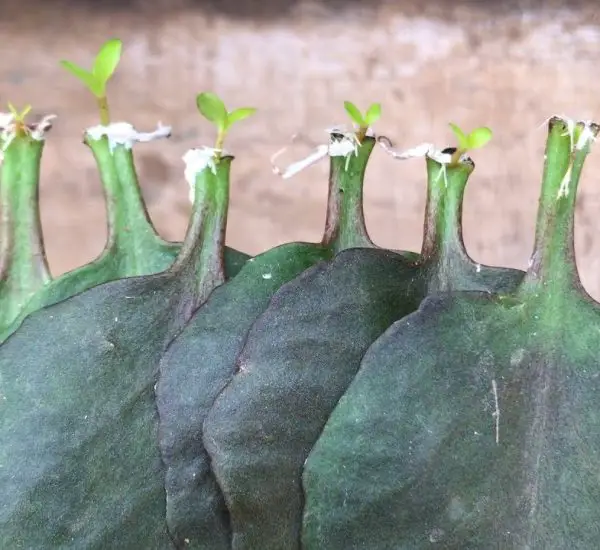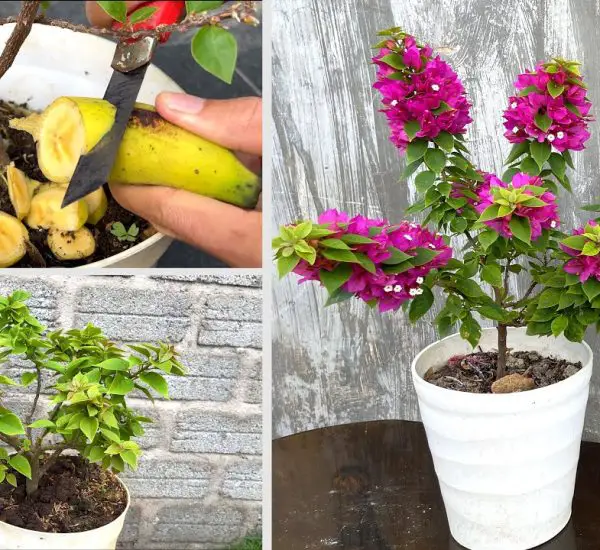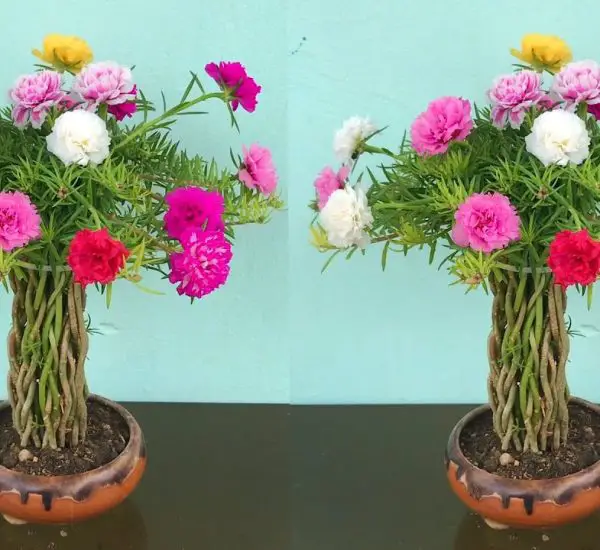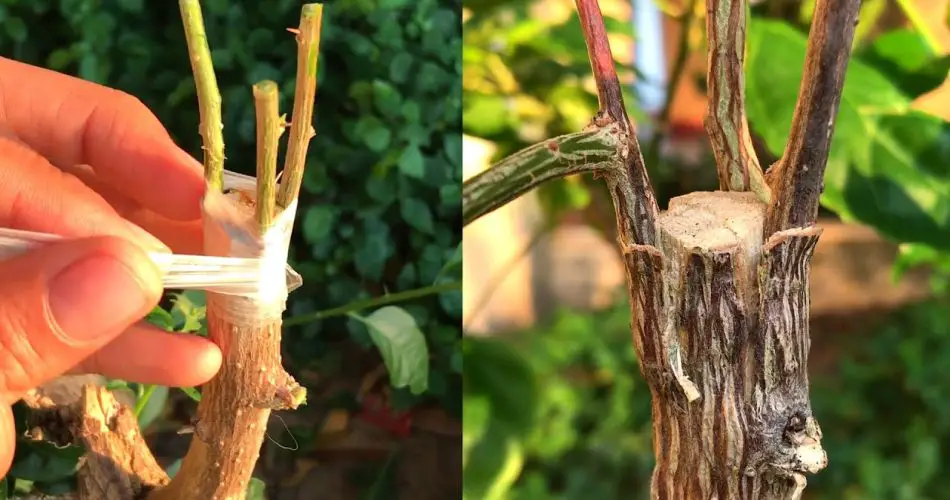
Grafting is a versatile horticultural technique that can be applied to a wide range of tree species. By joining the tissues of two different plants, grafting allows gardeners and arborists to combine desirable traits and enhance plant productivity. This article explores the various tree species that benefit from grafting and provides insights into the process and benefits of this method.
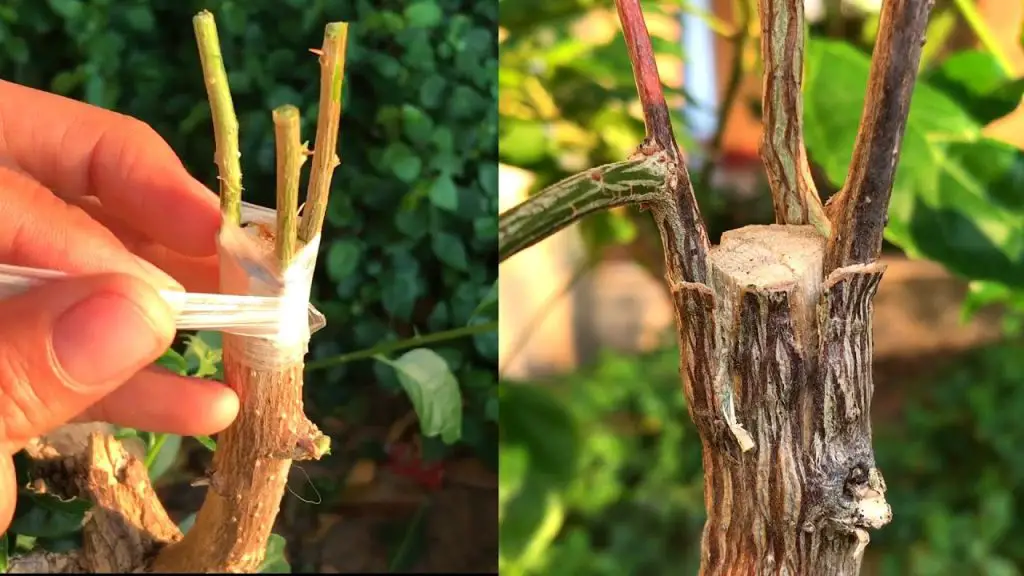
What is Grafting?
Grafting involves inserting a segment of one plant (the scion) into the tissue of another plant (the rootstock or understock). The two parts grow together, effectively merging their characteristics. This technique is used to achieve:
- Improved fruit quality
- Enhanced disease resistance
- Faster growth
- Better adaptation to soil conditions
Tree Species That Benefit from Grafting
1. Fruit Trees
- Apple Trees: Grafting is commonly used to propagate apple varieties, combining rootstocks that enhance disease resistance and growth vigor with scions that produce high-quality fruit.
- Citrus Trees: Oranges, lemons, and limes benefit from grafting as it allows the production of disease-resistant rootstocks and the desired fruit variety on the same tree.
2. Nut Trees
- Walnut Trees: Grafting walnut trees can help in developing trees that produce high-yield nuts and are resistant to soil-borne diseases.
- Pecan Trees: Grafting pecans allows for the combination of superior nut quality with rootstocks that improve drought tolerance and adaptability.
3. Shade Trees
- Maple Trees: Grafting can be used to propagate maple varieties that have desirable leaf color and growth habits, such as Japanese maples.
- Oak Trees: This method helps in creating oak trees with specific traits, such as faster growth rates or improved disease resistance.
4. Ornamental Trees
- Cherry Blossom Trees: Grafting allows for the production of ornamental cherry trees with vibrant blossoms and specific flowering characteristics.
- Magnolia Trees: Through grafting, you can enhance flower size and color while maintaining the overall vigor of the tree.
The Grafting Process
1. Selecting Scion and Rootstock
- Choose Healthy Plants: Select a healthy scion from the desired variety and a compatible rootstock that suits your soil and climate conditions.
- Match Compatibility: Ensure the scion and rootstock are compatible species or varieties for successful grafting.
2. Preparing the Graft
- Make the Cuts: Cut the scion and rootstock to fit together snugly. Common methods include cleft grafting, whip-and-tongue grafting, and bark grafting.
- Join the Scion and Rootstock: Align the cambium layers (the thin green layer under the bark) of both parts to promote successful fusion.
3. Securing the Graft
- Wrap the Graft: Use grafting tape or bandages to secure the union and protect it from drying out and pests.
- Seal the Graft: Apply a grafting compound or sealant to prevent moisture loss and infection.
4. Aftercare
- Monitor Growth: Keep the grafted area protected and ensure proper watering and care as the plant establishes itself.
- Remove Ties: Once the graft has healed and new growth is evident, carefully remove any wrapping or ties to prevent constriction.
Benefits of Grafting
- Enhanced Plant Traits: Grafting combines the best traits of different plants, such as improved fruit quality, disease resistance, and adaptability.
- Increased Yield: It can lead to higher yields and better quality produce by selecting superior varieties and rootstocks.
- Efficient Propagation: Grafting allows for rapid propagation of desirable tree varieties without relying on seeds.
Troubleshooting Common Grafting Issues
- Failed Graft: Ensure proper alignment of cambium layers and avoid over-wrapping which can restrict growth.
- Disease and Pests: Protect the graft area from disease and pests by maintaining cleanliness and using appropriate treatments.
Grafting is a powerful method that can be applied to many tree species, offering numerous benefits and possibilities for enhancing plant characteristics. Whether you’re improving fruit quality, increasing yields, or creating beautiful ornamental trees, mastering the art of grafting can lead to successful and rewarding gardening outcomes. 🌳🌟