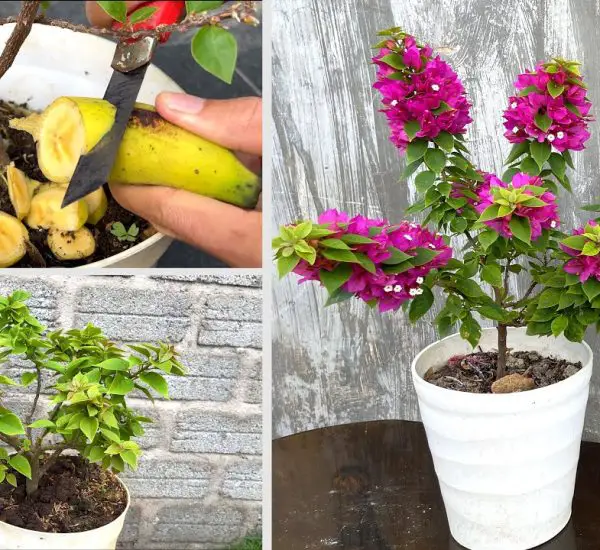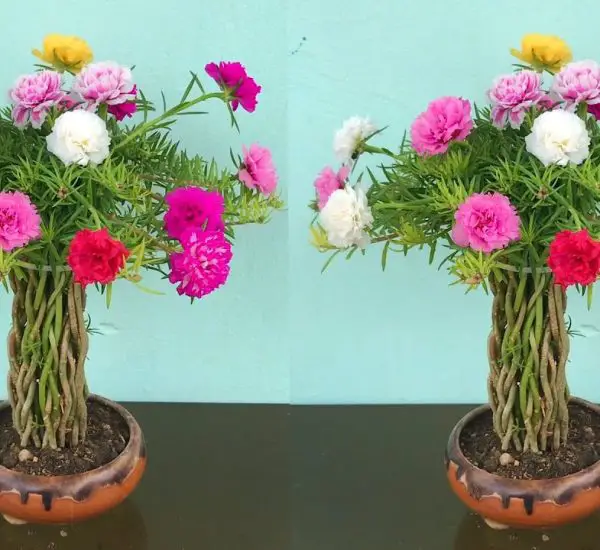
Creating a bonsai from a succulent plant is a unique and rewarding way to combine the artistry of bonsai cultivation with the hardiness of succulents. Succulent plants, known for their ability to store water in thick leaves, can thrive in the dry conditions that are often ideal for bonsai care. By grafting a succulent onto a rootstock, you can sculpt it into a bonsai shape, resulting in a miniature tree that has the striking appearance of traditional bonsai, but with the benefits of succulent care.
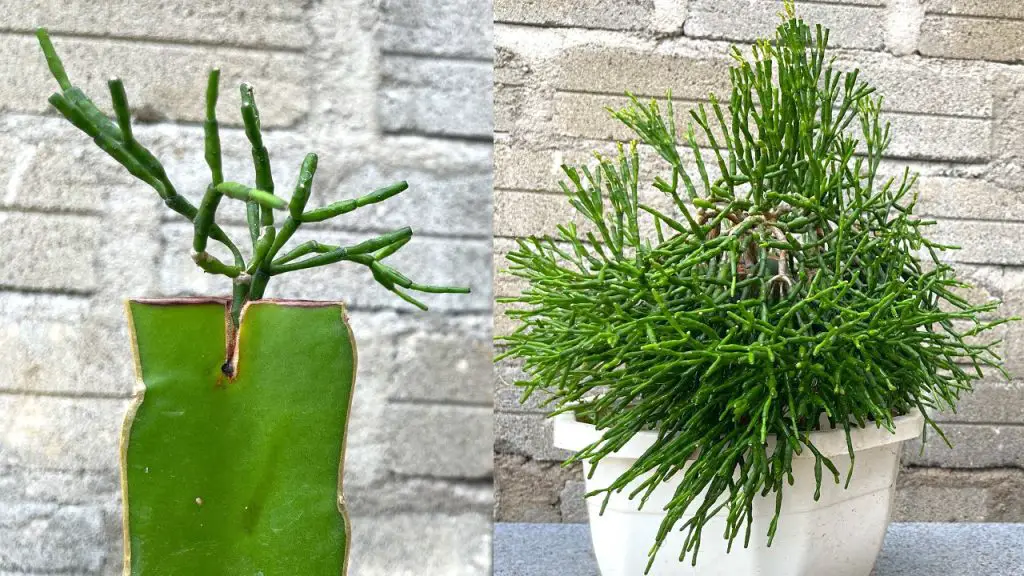
Why Graft Succulent Plants for Bonsai?
Grafting a succulent plant for bonsai offers several advantages:
- Ease of Care: Succulents are generally low-maintenance plants that require less water than traditional bonsai, making them an ideal choice for beginners or those with limited time.
- Unique Aesthetic: Grafting allows you to create a bonsai shape that would be difficult or impossible to achieve with a single plant.
- Drought Resistance: Succulents are naturally drought-tolerant due to their water-storing ability, which means they can thrive in dry bonsai conditions without the risk of dehydration.
How to Graft a Succulent for Bonsai
Creating a bonsai from a succulent plant involves two key steps: grafting and shaping the plant. Here’s a step-by-step guide to get you started:
Step 1: Choose the Right Succulent and Rootstock
First, choose a succulent plant with a thick, fleshy stem that is flexible enough to be shaped into a bonsai. Good options include Echeveria, Crassula, or Aloe Vera. You’ll also need a rootstock—a different plant that serves as the base or root system. The rootstock should be healthy and sturdy to support the grafted plant.
Step 2: Prepare the Grafting Tools
Use a sharp knife or grafting tool to make a clean, precise cut. You’ll also need some grafting tape or grafting wax to secure the graft and help it heal.
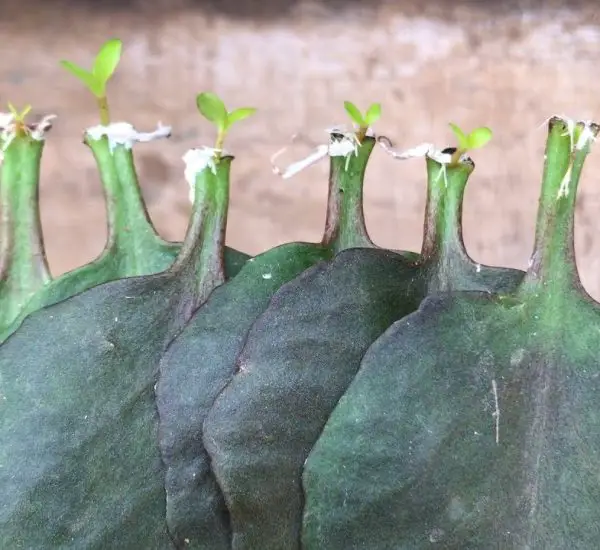
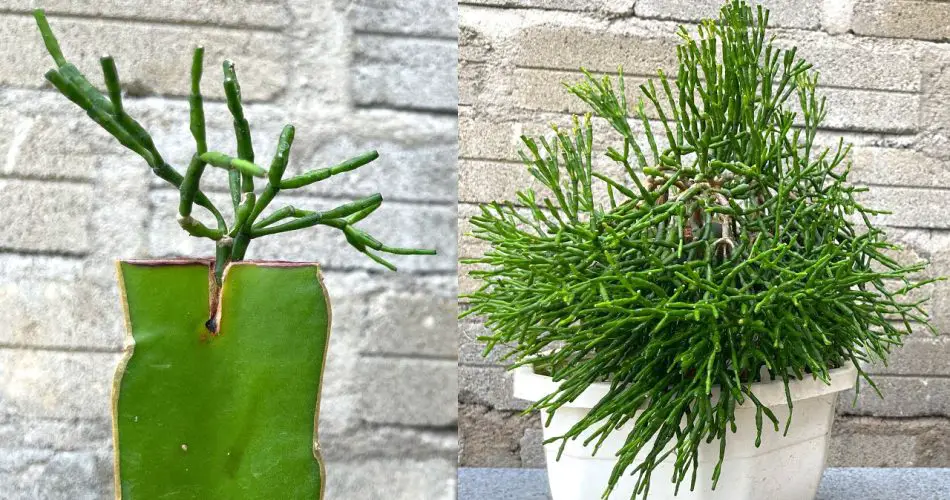
Step 3: Graft the Succulent onto the Rootstock
- Cut the Succulent: Trim the succulent’s stem at the point where you want to graft it. The cut should be clean and smooth.
- Prepare the Rootstock: Similarly, make a matching cut on the rootstock to ensure the surfaces of both plants align well.
- Attach the Succulent to the Rootstock: Position the succulent’s cut surface against the rootstock and secure it with grafting tape or grafting wax to hold them together tightly. Make sure the two pieces are well-aligned to facilitate the fusion of tissues.
Step 4: Allow the Graft to Heal
Place the grafted plant in a bright, warm location with indirect sunlight. Keep the plant in a humid environment to promote healing, but avoid overwatering it. It may take a few weeks for the graft to take hold. During this time, avoid disturbing the plant to ensure the graft site has a chance to heal properly.
Step 5: Begin Shaping the Bonsai
Once the graft is established, begin to shape your succulent bonsai. Use bonsai wire to gently bend and direct the growth of the branches. Over time, you can prune and shape the plant to develop the classic bonsai look—with a small trunk, aesthetic branches, and a miniature tree form.
Benefits of Grafting Succulents for Bonsai
- Increased Growth Control: Grafting gives you more control over the growth pattern of the plant, allowing you to create a symmetrical and aesthetically pleasing bonsai.
- Variety of Shapes: You can experiment with different shapes and forms, from traditional tree shapes to more abstract bonsai designs.
- Succulent Benefits: Succulents are naturally more resilient to environmental changes, pests, and diseases than other bonsai plants, making them easier to care for.
Tips for Successful Succulent Bonsai Grafting
- Select Compatible Plants: The rootstock and the grafted succulent should be from similar species to ensure compatibility. A succulent with a thicker stem works best with a similar rootstock.
- Use Clean Tools: Always use sterile, sharp tools to prevent infection or injury to the plants.
- Be Patient: Grafting takes time, and it may take a few attempts before you achieve the desired results.
- Water Sparingly: Since succulents are adapted to dry conditions, avoid overwatering after grafting. Allow the plant to dry out between waterings.
Conclusion: Succulent Bonsai – A Perfect Blend of Art and Nature
Grafting a succulent plant into a bonsai shape is a unique way to create a miniature, drought-tolerant tree that’s both beautiful and easy to care for. By selecting the right plants, using proper techniques, and providing the right environment, you can create a succulent bonsai that will thrive for years. Whether you’re a bonsai enthusiast or new to plant care, a succulent bonsai offers a low-maintenance and stunning way to enjoy the art of bonsai cultivation. 🌱🌿