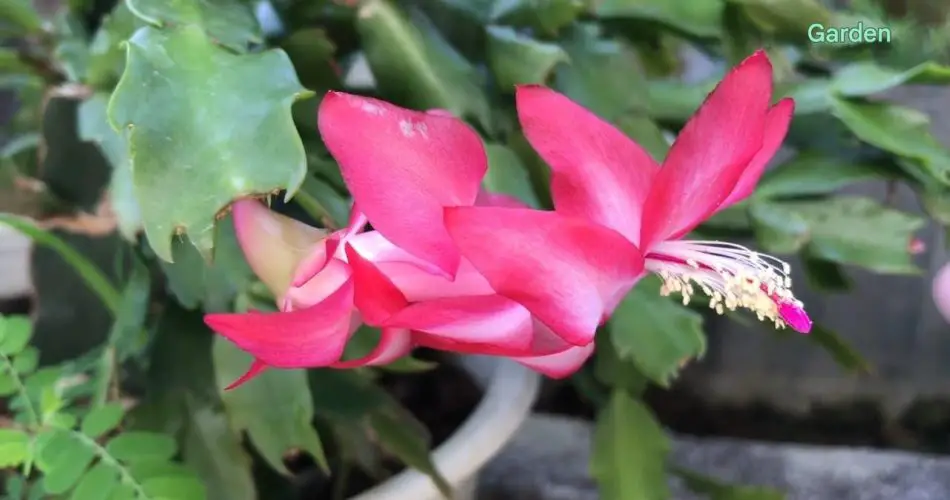
Grafting is a fascinating technique in gardening that allows you to combine different plants to create a unique hybrid. Grafting a Christmas cactus onto a dragon fruit tree may sound unusual, but it’s an experiment that combines the beauty of the Christmas cactus and the tropical allure of dragon fruit. If you’re looking to try this creative horticultural method, it’s important to know the right time to graft to ensure the best chances of success. Here’s a comprehensive guide on when and how to graft your Christmas cactus onto a dragon fruit tree.
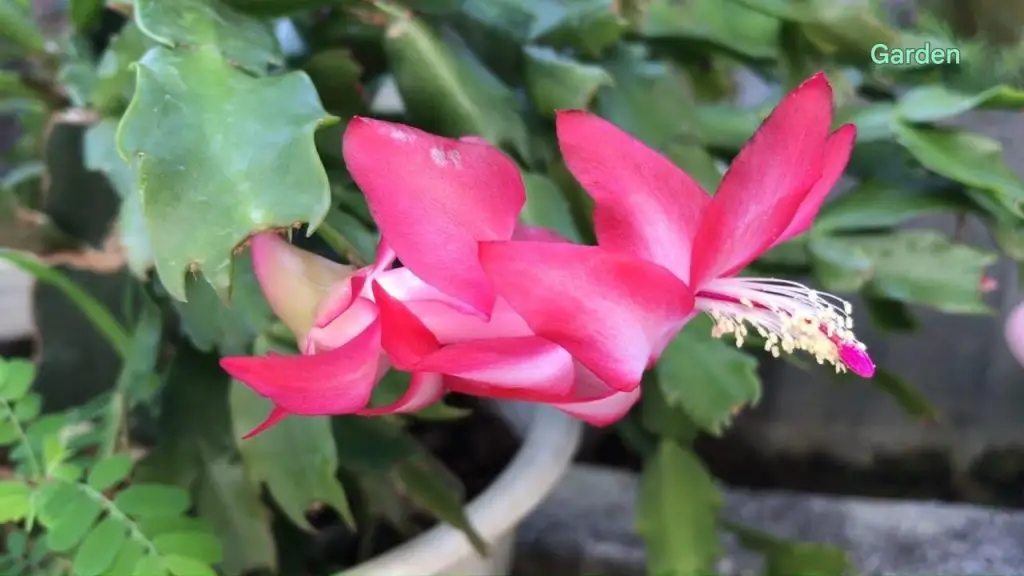
Why Graft a Christmas Cactus onto a Dragon Fruit Tree?
Before diving into the specifics of grafting, it’s important to understand why you might want to graft a Christmas cactus onto a dragon fruit tree:
- Unique hybrid: Grafting allows you to create a unique plant that combines the hardiness and vibrant blooms of the Christmas cactus with the exotic fruit production of the dragon fruit tree.
- Space-saving: If you have limited garden space, grafting enables you to grow two plants on one tree, saving room while still enjoying the beauty and fruit of both species.
- Aesthetic appeal: The combination of the beautiful flowers of the Christmas cactus with the striking dragon fruit can make for an eye-catching garden centerpiece.
- Hardiness: Both plants are cacti, so they share similar growing requirements, making them compatible for grafting.
Best Time to Graft the Christmas Cactus onto a Dragon Fruit Tree
The timing of the graft is critical for the success of the procedure. While grafting can technically be done at different times of the year, there are specific periods that are more favorable for both the Christmas cactus and the dragon fruit tree.
- Ideal Grafting Season: The best time to graft is during the spring or early summer, when both plants are actively growing. This is when their growth rates are at their peak, which increases the chances of the graft taking hold and successfully fusing.
- Christmas Cactus Dormancy: The Christmas cactus (Schlumbergera spp.) has a natural dormancy period during the winter months, usually from late fall to early winter. During this time, the plant is not actively growing, and grafting during dormancy can result in lower success rates. It’s best to graft your Christmas cactus in late spring or early summer when it’s emerging from dormancy and beginning to produce new growth.
- Dragon Fruit Growth Cycle: Dragon fruit trees (Hylocereus spp.) are also best grafted in the warmer months, typically from spring to early summer when the plant is actively producing new growth. Dragon fruit is a tropical plant and thrives in warm temperatures. Grafting in cooler weather can slow down the healing process and increase the risk of the graft failing.
- Avoid Extreme Temperatures: It’s important to graft the plants when the temperature is stable and mild. Extremely hot or cold weather can stress both plants and make grafting difficult. Ideal grafting temperatures are between 70°F-85°F (21°C-29°C).
Steps to Graft Christmas Cactus onto a Dragon Fruit Tree
Once you’ve chosen the right time, it’s essential to follow the correct steps to ensure a successful graft. Here’s a step-by-step guide:
Step 1: Prepare the Plants
- Select healthy specimens: Choose a healthy Christmas cactus and a healthy dragon fruit tree to ensure the best chances of success. Both plants should be actively growing with fresh, new growth.
- Cut cleanly: Use a sharp knife or scalpel to make clean cuts. For the Christmas cactus, cut a healthy, young stem. For the dragon fruit tree, cut the top off of the cactus stem to create a flat surface for grafting.
Step 2: Prepare the Grafting Site
- Cut the grafting surface: On the dragon fruit tree, make a clean cut horizontally at the desired location for grafting. This will allow the Christmas cactus to sit flush on the tree.
- For the Christmas cactus, cut the stem at an angle to match the cut on the dragon fruit tree, ensuring both surfaces align well.
Step 3: Position the Graft
- Align the tissues: Carefully align the cut surface of the Christmas cactus stem with the cut surface of the dragon fruit tree. It’s crucial to ensure that the vascular tissues of both plants are in contact. This allows the plants to fuse together properly.
Step 4: Secure the Graft
- Tie the graft: Use grafting tape, elastic bands, or plant ties to secure the grafted area firmly. Make sure it’s tight enough to hold the plants together but not so tight that it cuts into the stems.
- Cover the graft: You can also wrap the grafted area in grafting wax or melted paraffin to keep moisture in and reduce the risk of infection.
Step 5: Care for the Graft
- Place the graft in a shaded area: Keep the grafted plant in a shady area with indirect sunlight for about a week after grafting. This gives the plants time to heal and merge without the stress of direct sun.
- Water carefully: Water the grafted plants lightly to keep the soil moist but not soggy. Too much water can cause the graft to rot, while too little can cause dehydration.
- Monitor for signs of success: After a few weeks, check for signs of fusion between the two plants. If the graft succeeds, the Christmas cactus should begin to show new growth on the dragon fruit tree. If it fails, the plant may show signs of wilting, yellowing, or tissue rejection at the grafting site.
Aftercare and Maintenance for the Grafted Plant
Once your Christmas cactus is successfully grafted onto the dragon fruit tree, it will require some special care to thrive:
- Continue regular care for both the Christmas cactus and dragon fruit, ensuring both plants receive adequate light, water, and warmth.
- Monitor growth: If the graft was successful, the Christmas cactus should continue to grow on the dragon fruit tree, adding colorful flowers in the winter months. The dragon fruit will continue to produce its fruit as usual.
- Remove any suckers or unwanted growth: If the dragon fruit tree starts sending out its own shoots or if the Christmas cactus begins to overtake the graft, prune back any excess growth to maintain a healthy balance.
Potential Issues to Watch Out For
While grafting can be a fun experiment, it’s not always guaranteed to be successful. Here are some issues to watch out for:
- Rejection: If the plants don’t fuse properly, the graft may fail, and the Christmas cactus may reject the dragon fruit tree’s tissue. This can be due to incompatible tissues or improper grafting technique.
- Environmental stress: Grafting requires optimal environmental conditions. If the temperature, humidity, or light levels are too extreme, the graft may fail.
- Disease: Keep an eye on the grafted area for any signs of infection or rot. If the graft fails, it’s best to remove the damaged tissue and try again with fresh cuts.
Conclusion
Grafting a Christmas cactus onto a dragon fruit tree can be an exciting horticultural experiment, resulting in a beautiful and unique plant. The right time to graft is during the spring or early summer when both plants are actively growing, ensuring that the graft has the best chance of success. By following the correct steps and providing the right care, you can enjoy the best of both worlds—beautiful blooms from the Christmas cactus and delicious fruit from the dragon fruit tree—all on one plant!