Grafting is a fascinating horticultural technique that allows gardeners to combine two different plants to create a unique hybrid. If you’re considering grafting a Christmas cactus onto a dragon fruit tree, timing is crucial for a successful outcome. In this article, we’ll explore the best time to perform this grafting technique and how to do it effectively.
Understanding the Plants
Before diving into the grafting process, it’s essential to understand the characteristics of both plants:
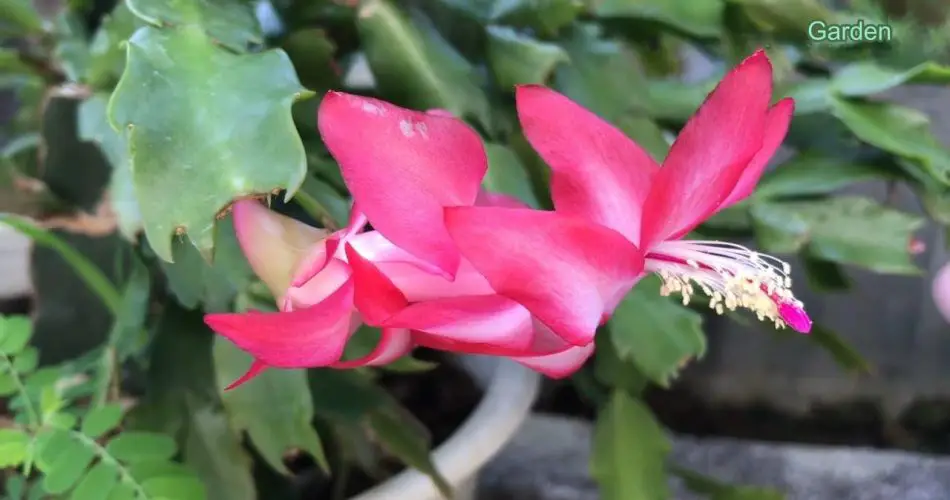
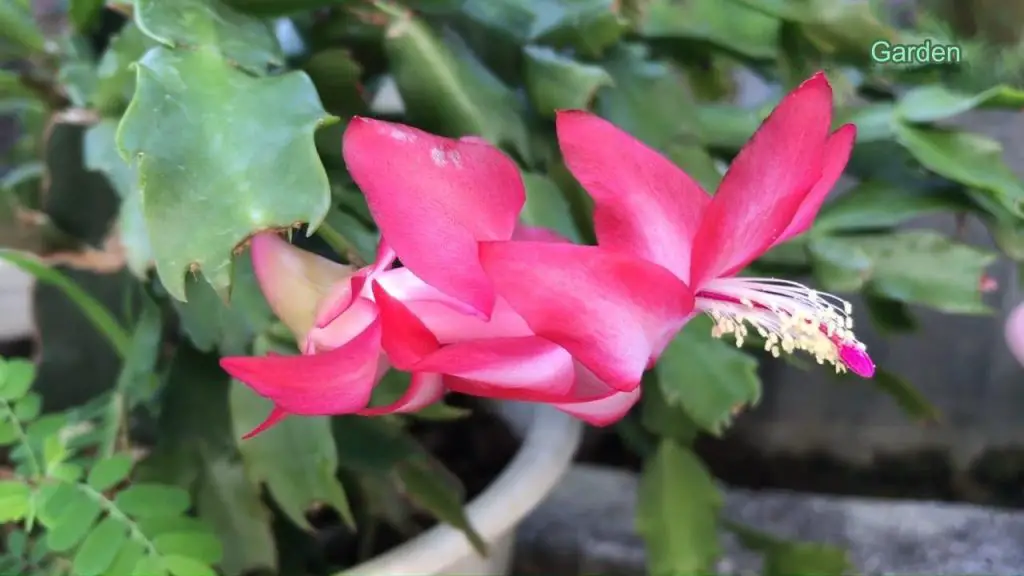
- Christmas Cactus (Schlumbergera): Known for its vibrant, tubular flowers that bloom during the holiday season, this succulent thrives in indirect sunlight and prefers a slightly humid environment.
- Dragon Fruit Tree (Hylocereus): This tropical cactus is celebrated for its stunning fruit and impressive blooms. It prefers full sunlight and well-draining soil.
The Best Time to Graft
Timing is key for successful grafting. Here’s when to consider grafting your Christmas cactus onto a dragon fruit tree:
- Growing Season: The optimal time for grafting is during the spring or early summer. During this period, both plants are actively growing, which increases the chances of successful union.
- Temperature Considerations: Ensure that temperatures are consistently above 60°F (15°C). This warmth encourages cell growth and healing, vital for successful grafting.
- Health of the Plants: Make sure both the Christmas cactus and the dragon fruit tree are healthy and free from pests or diseases before proceeding with the grafting process.
How to Graft
Once you’ve determined the right time, follow these steps for grafting:
- Preparation:
- Gather your tools: a sharp knife, grafting tape, and sterilizing solution (like rubbing alcohol) to clean your tools.
- Choose a healthy segment of the Christmas cactus, ideally a stem segment with at least a few joints.
- Making the Cut:
- On the dragon fruit tree, make a clean cut on the stem where you want to graft the Christmas cactus. The cut should be smooth to ensure a good surface area for the graft.
- Grafting:
- Carefully cut the bottom of the Christmas cactus segment into a wedge shape to fit snugly onto the dragon fruit tree’s cut surface.
- Align the cambium layers (the green part just under the bark) of both plants as closely as possible to promote healing and nutrient flow.
- Securing the Graft:
- Use grafting tape to secure the Christmas cactus to the dragon fruit tree. Make sure it’s tight enough to hold the two together but not so tight that it damages the plants.
- Aftercare:
- Keep the grafted area in a warm, shaded location to reduce stress on the plants. Water both plants lightly to maintain humidity without over-saturating them.
Conclusion
Grafting a Christmas cactus onto a dragon fruit tree can lead to a stunning and unique hybrid plant, provided you choose the right time and follow proper techniques. By grafting during the growing season and ensuring optimal conditions, you can enjoy the beauty of both plants in a single, eye-catching display. Happy gardening!