Growing Hibiscus rosa-sinensis, commonly known as the Hibiscus or Chinese hibiscus, in a water environment is an innovative way to propagate and cultivate these stunning plants. Whether you’re looking to experiment with hydroponics or simply want to observe the fascinating root development of hibiscus, this guide will walk you through the process.
The Benefits of Growing Hibiscus Rosa in Water
Growing hibiscus roots in a water environment offers several advantages:
- Enhanced Root Observation: Growing in water allows for easy monitoring of root development and overall plant health.
- Reduced Soil-Borne Pests: A water-based environment minimizes the risk of soil-borne pests and diseases.
- Controlled Conditions: You can more precisely control nutrient levels and environmental conditions.
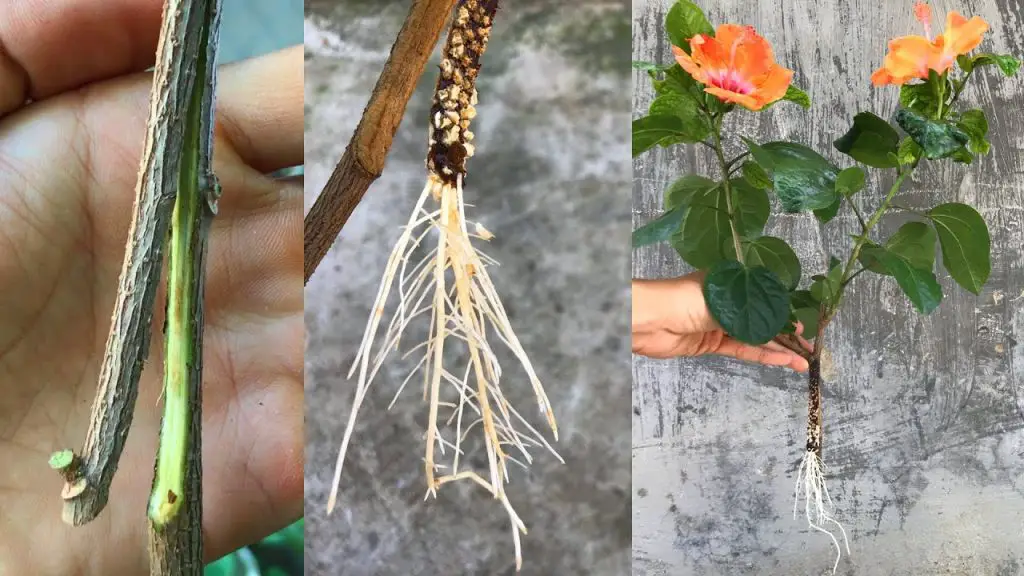
How to Grow Hibiscus Rosa Roots in Water
- Select a Healthy Hibiscus Cutting:
- Choose Cuttings: Take a 4-6 inch cutting from a healthy hibiscus plant. Ensure the cutting is from a non-flowering branch and has at least 2-3 leaf nodes.
- Prepare the Cutting: Remove the lower leaves to prevent them from rotting in the water.
- Prepare the Water Container:
- Container Choice: Use a clean glass jar or a clear vase. The transparency allows you to easily observe root growth.
- Water Quality: Fill the container with distilled water or filtered water to avoid chlorine and other chemicals that could harm the cutting.
- Place the Cutting in Water:
- Submerge the Cutting: Place the cutting in the container so that the leaf nodes are submerged in water, but the leaves are above the waterline. This encourages root development from the submerged nodes.
- Support the Cutting: Use a small support or potato to keep the cutting stable and upright in the container.
- Maintain the Water Environment:
- Change Water Regularly: Change the water every 1-2 weeks to prevent stagnation and reduce the risk of algae growth.
- Add Nutrients: After a few weeks, you can add a diluted liquid fertilizer to provide essential nutrients. Use a balanced fertilizer or one specifically designed for hydroponic systems.
- Observe and Transplant:
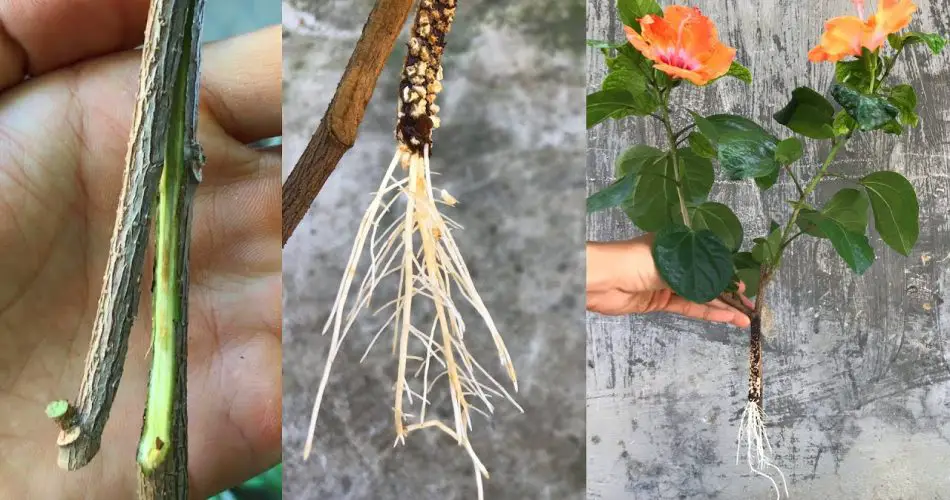
- Root Growth: Monitor the cutting for root development. Roots should start appearing within 2-4 weeks. Healthy roots are typically white or light brown and should be several inches long before transplanting.
- Transplanting: Once the roots are well-established, transplant the cutting into a potting mix or hydroponic system. Ensure the plant receives bright, indirect light and proper care.
Why This Method is Effective
- Visual Insight: Growing hibiscus roots in water provides a clear view of root development and overall plant health.
- Controlled Growth: This method allows for precise control over the growing conditions, leading to potentially stronger and healthier plants.
Additional Tips for Growing Hibiscus Rosa in Water
- Avoid Direct Sunlight: Place the container in a location with bright, indirect light to prevent overheating and algae growth.
- Monitor for Algae: If you notice green algae in the water, clean the container and change the water more frequently.
Growing Hibiscus rosa-sinensis in a water environment is a fascinating and effective method for propagating and nurturing these beautiful plants. By following these steps, you can observe the root development and ensure a healthy start for your hibiscus. Embrace this water-based technique and enjoy the lush foliage and vibrant blooms of your hibiscus plants!