Growing roses can be a rewarding experience, and using coconut fiber as a medium for propagating rose cuttings offers several benefits. Coconut fiber is lightweight, retains moisture well, and provides excellent aeration for young roots. Here’s a guide on how to successfully cut and grow roses in coconut fiber.

Why Use Coconut Fiber for Rose Cuttings?
- Moisture Retention: Coconut fiber holds water without becoming soggy, helping to maintain a consistent moisture level for cuttings.
- Aeration: Its fibrous texture allows for good air circulation, which is essential for root development.
- Sustainability: Coconut fiber is an eco-friendly alternative to peat moss, making it a great choice for environmentally conscious gardeners.
Steps for Cutting Roses in Coconut Fiber
1. Select Healthy Rose Stems
- Choose healthy stems from an existing rose bush. Look for semi-hardwood cuttings, typically taken from the current year’s growth. Avoid stems that show signs of disease or damage.
2. Prepare the Cuttings
- Cut a 6-8 inch section of the stem, making the cut just below a leaf node. Use clean, sharp pruning shears to prevent injury and disease transmission.
- Remove the lower leaves, leaving only a couple of leaves at the top to minimize moisture loss.
3. Use Rooting Hormone (Optional)
- Dip the cut end of the rose cutting in rooting hormone to encourage faster root development. This step is optional but can increase success rates.
4. Prepare the Coconut Fiber
- Moisten the coconut fiber before planting. It should be damp but not soaking wet. Fill a pot or container with the coconut fiber, leaving some space at the top.
5. Plant the Cuttings
- Make a hole in the coconut fiber using a stick or your finger. Insert the cut end of the rose cutting into the hole and gently firm the coconut fiber around it to secure it in place.
- Space cuttings about 4-6 inches apart to give them room to grow.
6. Watering and Humidity
- After planting, water the cuttings gently to settle the coconut fiber around them. Cover the pot with a plastic bag or a clear plastic dome to create a humid environment, which helps prevent the cuttings from drying out.
- Remove the cover occasionally to allow for air circulation and prevent mold growth.
7. Provide Proper Lighting
- Place the pot in a location that receives indirect sunlight. Direct sunlight can scorch the cuttings, so it’s best to keep them in a bright, warm spot.
8. Monitoring Growth
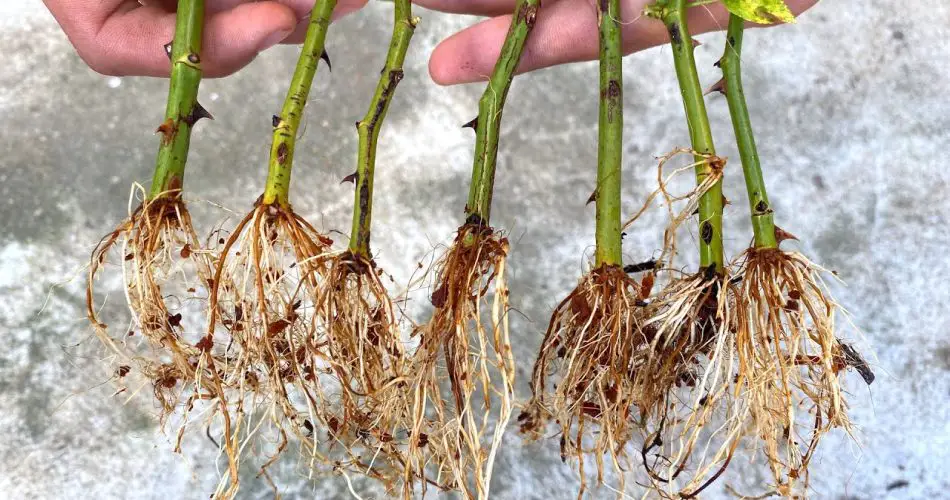
- Check the cuttings regularly for moisture and ensure the coconut fiber remains damp. After a few weeks, you should see new growth, which indicates that roots are forming.
9. Transplanting
- Once the cuttings have established roots (usually after 4-6 weeks), they can be transplanted into larger pots or directly into the garden. Be sure to acclimate them gradually to outdoor conditions if you plan to plant them outside.
Conclusion
Growing roses from cuttings in coconut fiber is an effective and eco-friendly method that promotes healthy root development. With the right care and attention, you can successfully propagate your favorite rose varieties. Follow these tips, and enjoy the beauty and fragrance of your homegrown roses! Happy gardening!
Copy
Show Comments