Mastering Directional Rooting for Unique Rose Branches
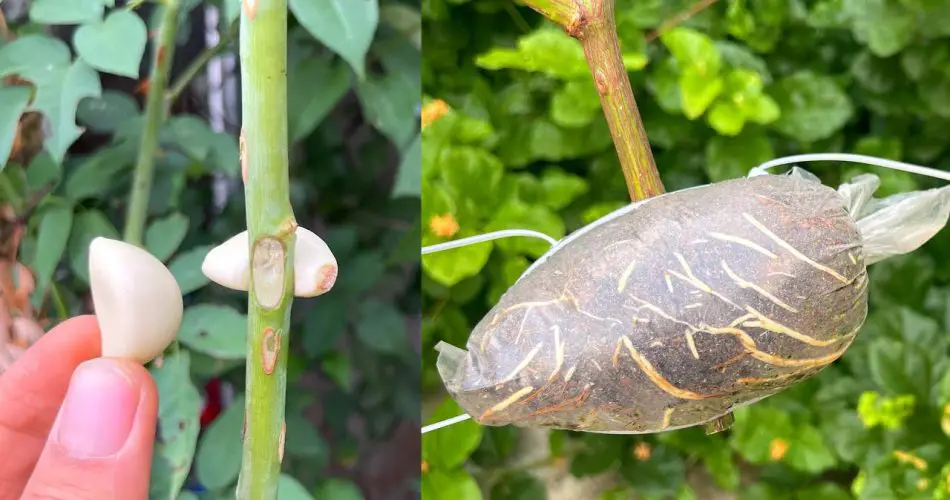
Ever wondered how to give your roses a distinctive twist? With the directional rooting technique, you can guide your rose branches to develop roots exclusively on one side, creating a striking and unique plant structure.
What Is Directional Rooting?
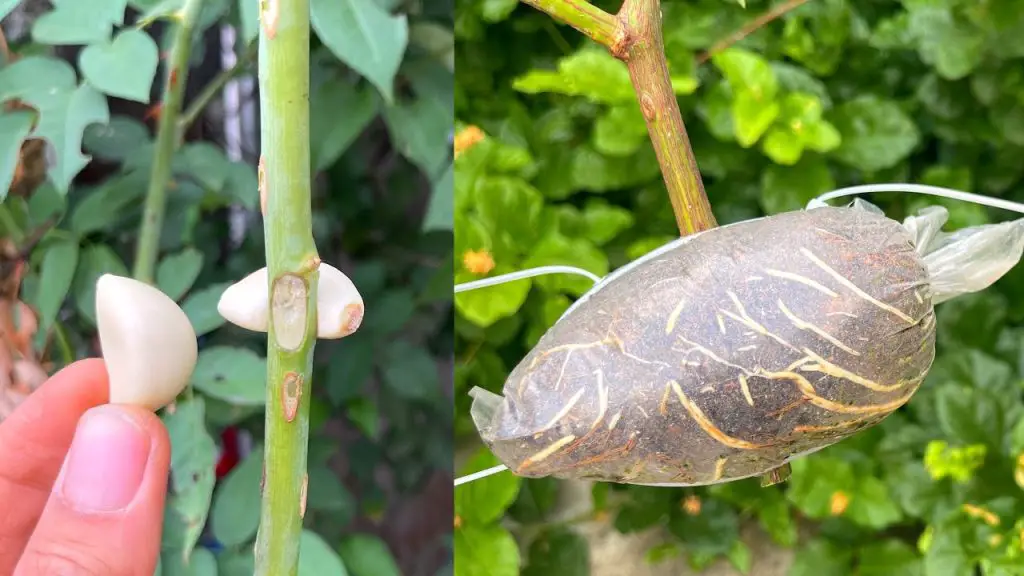
Directional rooting is a method that encourages root growth on a specific side of a plant branch. By controlling where the roots form, you can create an aesthetically pleasing look that sets your garden apart.
Materials & Preparation
To get started, gather the following tools and materials:
- Sharp Pruning Shears for precise cuts
- Rooting Hormone to stimulate root development
- Support Structures like small stakes or wires to guide the branch
- Potting Soil with excellent drainage for healthy rooting
Step-by-Step Process
- Select the Right Branch:
Choose a healthy rose branch that shows potential for rooting. The branch should be flexible and free of disease. - Prepare the Branch:
- Use pruning shears to make a clean cut at an angle.
- Apply rooting hormone on the cut area to boost root formation.
- Guide the Root Direction:
- Bend the branch gently so that the cut end faces the desired direction.
- Secure the branch with stakes or wires, ensuring the targeted side maintains contact with the moist potting soil.
- Planting:
- Place the guided branch in a pot with well-draining soil.
- Ensure that only the targeted side of the branch is in contact with the soil to encourage roots to form on that side exclusively.
- Aftercare:
- Keep the soil moist but not waterlogged.
- Place the pot in a location with indirect sunlight to avoid stress.
- Monitor the branch daily and adjust the support if necessary until the roots are well established.
Tips for Success
- Patience is Key: Directional rooting may take time, so give your branch the chance to adapt and develop.
- Consistent Moisture: Regular watering helps maintain the ideal environment for root growth.
- Monitor Growth: Once roots start forming, gradually loosen the supports to allow natural expansion while keeping the roots concentrated on one side.
Final Thoughts
Using directional rooting to create a single-sided root structure on your rose branches is an innovative way to add character to your garden. With careful preparation, the right materials, and a bit of patience, you can achieve a visually striking display that highlights the natural beauty of your roses. Embrace this unique technique and transform your gardening experience with a touch of artistic flair!