Fuchsias are well-loved for their vibrant, pendulous flowers and ability to add a pop of color to any garden or indoor space. Whether you have limited outdoor space or simply want to experiment with different growing methods, growing fuchsias in water and in the ground can both yield stunning results. In this guide, we’ll walk you through how to grow fuchsias successfully in both conditions, so you can enjoy their beauty year-round.
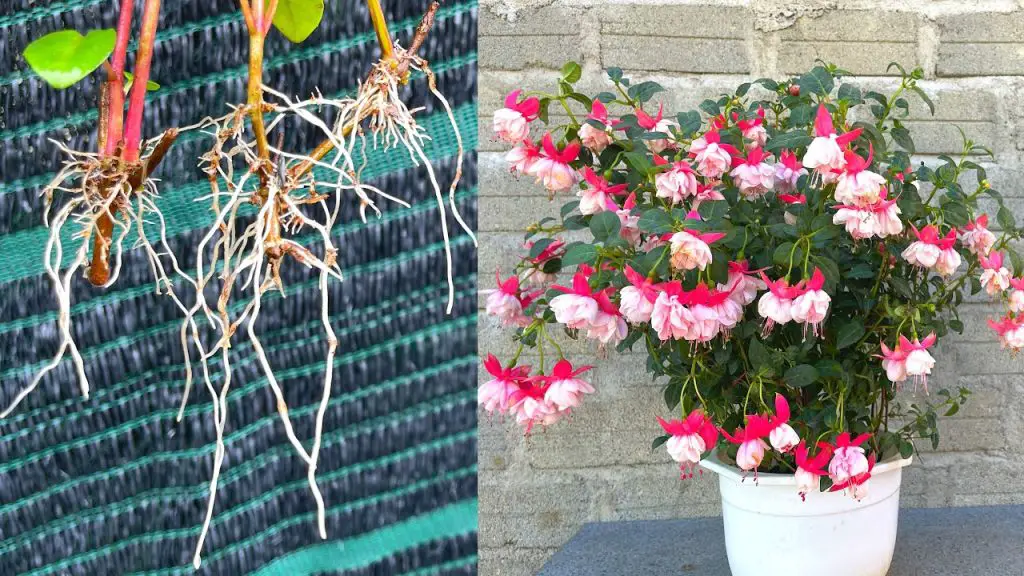
Why Grow Fuchsias in Water or in the Ground?
Fuchsias are versatile plants that thrive in a range of environments. You can grow them in water as a temporary solution or in the ground for long-term growth. Both methods offer distinct benefits:
- Water-growing: Ideal for people with limited space or those looking for a unique way to display fuchsias in containers or hanging baskets.
- Ground-growing: Perfect for gardeners looking for an established, long-term option. Growing fuchsias directly in the ground ensures they have a sturdy foundation for growth and abundant blooms.
How to Grow Fuchsias in Water
Growing fuchsias in water is a great way to start the plant in a hydroponic environment. This method allows you to see the plant’s roots develop while keeping it in a visually striking water display.
Step-by-Step Guide for Growing Fuchsias in Water
- Select a Healthy Cutting or Plant
Begin with a healthy fuchsia cutting or small plant. The cutting should have at least one or two healthy stems. If you’re starting from a cutting, ensure it’s about 4-6 inches long and has no flowers or buds yet. - Prepare the Container
Choose a clear glass container (like a jar, vase, or bottle) to showcase the water roots. A clear container will let you observe root growth. Fill the container with clean, room-temperature water and ensure that only the stem of the fuchsia is submerged, not the leaves. - Place in Indirect Light
After placing your fuchsia cutting in the container, position it in a bright spot with indirect sunlight. Direct sunlight can scorch the leaves and stunt growth. It’s best to place it on a windowsill or under a grow light. - Change the Water Regularly
Fuchsias need clean water to thrive. Change the water every few days to prevent it from stagnating and to reduce the risk of rot. You may also add a small amount of liquid fertilizer once a month to encourage root growth. - Watch for Root Development
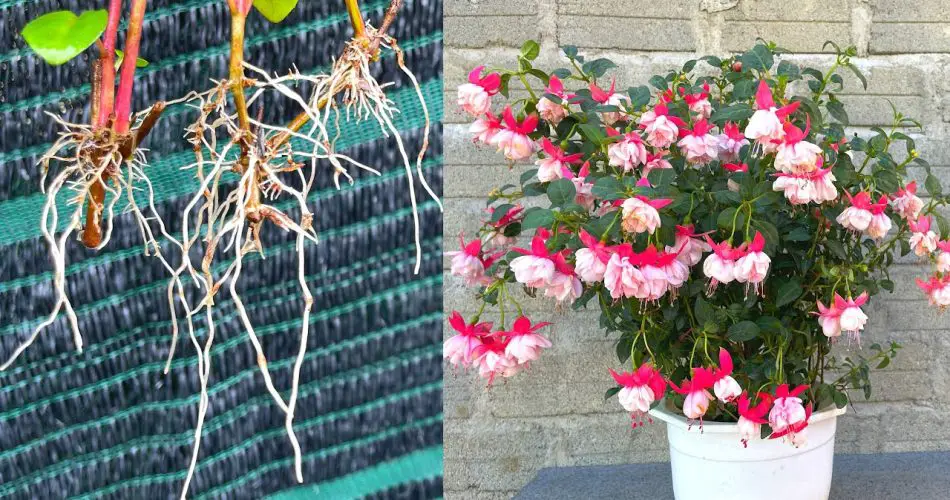
After about two to four weeks, you should start to see roots forming at the base of the cutting. Once the roots are a few inches long, the plant is ready for transplanting into the ground or a larger pot.
How to Grow Fuchsias in the Ground
Fuchsias planted in the ground have access to more nutrients and typically grow larger, with abundant blooms. Whether you’re planting them in your garden or in a landscape bed, fuchsias do best in cool, shaded areas.
Step-by-Step Guide for Growing Fuchsias in the Ground
- Choose the Right Location
Fuchsias thrive in partially shaded locations with cool temperatures. They do not do well in full sunlight, as the flowers may burn and the plant could become stressed. Look for a spot with afternoon shade or filtered sunlight, such as under trees or near a fence that provides protection. - Prepare the Soil
Fuchsias prefer well-draining, moist, and slightly acidic soil. Before planting, amend the soil by adding organic compost or well-rotted manure to improve fertility and drainage. Loamy soil is ideal, as it retains moisture but does not become waterlogged. - Plant the Fuchsia
Dig a hole slightly larger than the root ball of your fuchsia. Gently place the plant into the hole, ensuring that the top of the root ball is level with the ground. Fill the hole with soil, patting it down gently around the plant’s base to remove air pockets. - Water the Plant
Water thoroughly after planting to help the fuchsia establish its roots. Continue to water regularly, especially during dry spells, but avoid waterlogging the plant. Fuchsias do not tolerate wet feet, so ensure the soil drains well. - Mulch and Fertilize
Apply a layer of organic mulch around the base of the plant to retain moisture and keep the soil temperature stable. You can use compost, bark chips, or leaves. Fertilize your fuchsia with a balanced liquid fertilizer every 4-6 weeks during the growing season to encourage lush growth and abundant flowering. - Pruning for Health and Shape
Regular pruning encourages a bushier, healthier plant. Remove any dead or damaged stems, and trim back leggy growth. After the blooming season, you can prune the plant back by about one-third to promote new growth for the following year.
Tips for Success in Both Methods
- Watering: Whether in the ground or in water, fuchsias prefer consistent moisture. However, they do not like to sit in water for too long, so proper drainage is essential.
- Temperature: Fuchsias prefer cool temperatures, so avoid planting them in hot, sunny spots or placing them in direct sunlight for extended periods.
- Pests: Watch out for common pests like aphids, whiteflies, and spider mites that can affect your fuchsia. If you notice pests, treat the plant with a gentle insecticidal soap or neem oil.
- Indoor vs. Outdoor: Fuchsias can be grown indoors in containers or outdoors in the ground, depending on your local climate. In colder climates, bring the plants indoors during the winter months to protect them from frost.
Why Grow Fuchsias in Water or the Ground?
Growing fuchsias in water or the ground is a wonderful way to enjoy the beauty of these stunning plants. Both methods offer distinct benefits, whether you’re looking for a unique indoor display or a long-term garden addition. Fuchsias are relatively easy to care for as long as they receive the right conditions: cool temperatures, indirect sunlight, and well-drained soil. Whether you choose the hydroponic water method or plant them directly in the ground, your fuchsia plants will reward you with their stunning blooms and vibrant colors year-round.
Conclusion
By growing fuchsias in water or in the ground, you can enjoy their beautiful pendulous blooms in almost any setting. Experiment with these two growing methods to see which works best for you. Whether you have a sunny windowsill or a shaded garden bed, fuchsias are adaptable and can thrive with a little attention and care. Follow the tips above, and you’ll be on your way to enjoying beautiful, colorful fuchsia flowers all season long! 🌸🌿