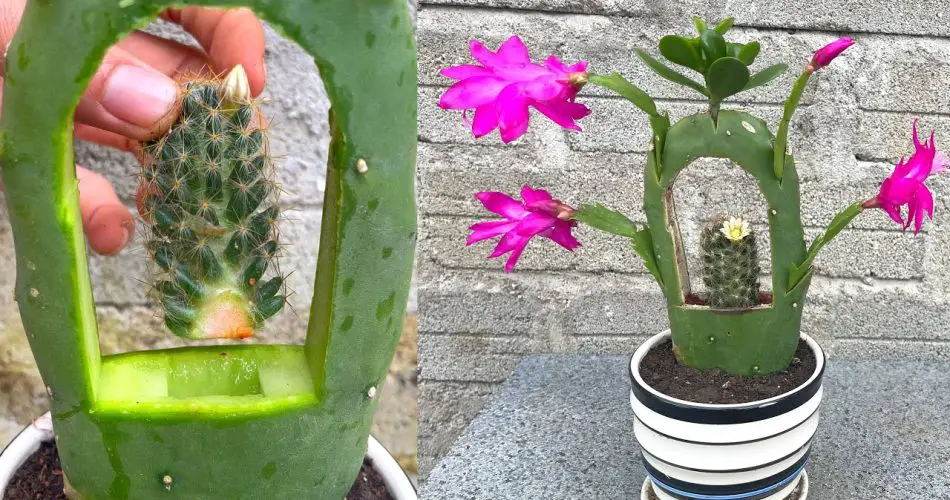
Cacti are incredibly versatile and low-maintenance plants that add a unique touch to any indoor garden. Among the many varieties of cactus, the Christmas Cactus is a favorite during the holiday season, known for its vibrant blooms and beautiful, cascading flowers. But what if you could take your cactus display a step further by matching three different types of cacti together? Combining various species with distinct shapes, colors, and blooming patterns can create an eye-catching arrangement that will elevate your holiday decor.
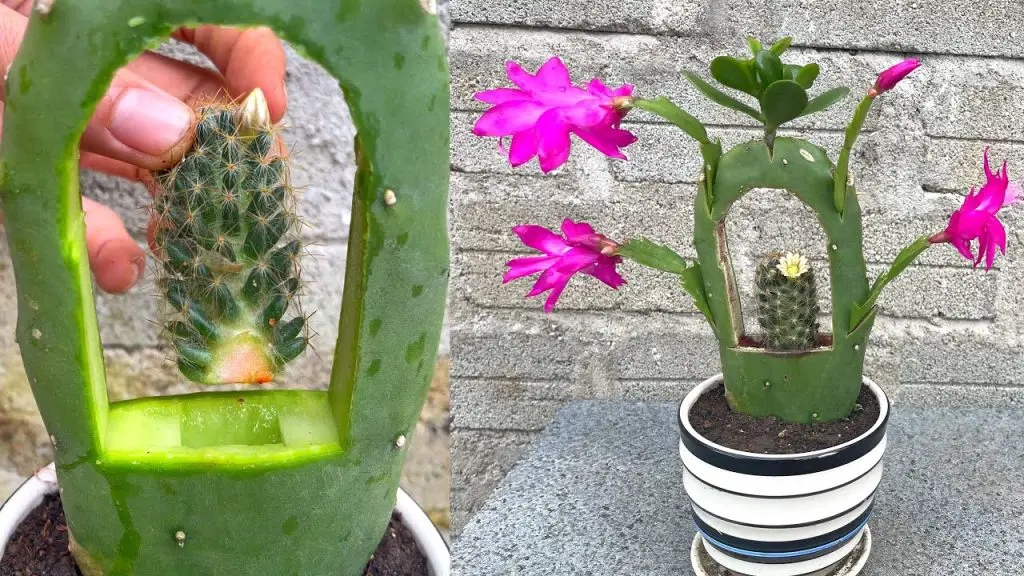
In this guide, we’ll explore how to pair Christmas Cactus with two other types of cacti to create a stunning, harmonious cactus display for your home.
1. Christmas Cactus (Schlumbergera) – A Festive Blooming Beauty
The Christmas Cactus is a must-have for any holiday cactus display. Known for its bright pink, red, or white flowers, this cactus thrives in cooler indoor temperatures and is perfect for creating a festive ambiance during the winter months.
Light:
- Prefers bright, indirect light. Too much direct sunlight can burn its leaves, so keep it in a spot where it gets gentle light.
Watering:
- Water your Christmas Cactus when the top 1-2 inches of soil feel dry. Be sure not to overwater, as this can lead to root rot.
Temperature:
- Ideal temperature range is 60-70°F (15-21°C). Keep it away from cold drafts or direct heat sources like radiators.
Best Pairing for a Stunning Display:
Pairing the Christmas Cactus with two contrasting cacti creates a visually dynamic display with various shapes and colors, all while staying within a cohesive theme.
2. Easter Cactus (Schlumbergera gaertneri) – A Stunning Contrast
The Easter Cactus is another member of the Schlumbergera family, similar to the Christmas Cactus, but with different blooming habits. While the Christmas Cactus blooms around the holidays, the Easter Cactus blooms in spring, offering a contrast in both color and blooming season. It has vibrant, tubular flowers in shades of red, pink, orange, or purple.
Light:
- Like the Christmas Cactus, it needs bright, indirect light. Avoid placing it in direct sunlight to prevent leaf burn.
Watering:
- Easter Cactus has similar watering needs to the Christmas Cactus. Water it when the top layer of soil is dry, but make sure it drains well.
Temperature:
- This cactus prefers slightly warmer temperatures than the Christmas Cactus, around 65-75°F (18-24°C).
Why Pair it with the Christmas Cactus?
- Both cacti bloom at different times, so your cactus display will have a year-round appeal. The vivid colors of the Easter Cactus will contrast beautifully with the softer, pastel blooms of the Christmas Cactus.
3. Prickly Pear Cactus (Opuntia) – Adding Height and Texture
Now, let’s introduce a larger, more sculptural cactus into the mix! The Prickly Pear Cactus, known for its wide pads and bright yellow or purple flowers, adds a bold touch to any cactus display. It brings in a sense of vertical interest with its tall, branching structure, and provides texture with its spiny pads.
Light:
- Prickly Pear Cactus thrives in full sun. Ensure it gets at least 4-6 hours of sunlight per day for optimal growth and flowering.
Watering:
- Unlike the Christmas and Easter Cactus, the Prickly Pear Cactus is more drought-tolerant. Let the soil dry out completely before watering it again. Overwatering can lead to root rot.
Temperature:
- It prefers warmer temperatures, ideally between 70-90°F (21-32°C). Keep it in a spot that doesn’t get too chilly, as it’s more suited for a hotter environment than the other two types.
Why Pair it with the Christmas and Easter Cactus?
- The Prickly Pear Cactus introduces height and architectural form to your arrangement. Its bold pads and spines create an interesting contrast against the delicate flowers of the Christmas and Easter Cacti. Additionally, the different watering needs can help with water management and prevent overwatering.
How to Arrange Your Cacti for Maximum Impact
To make your cactus display truly shine, consider these arrangement tips:
- Layer Your Cacti: Place the taller Prickly Pear in the back of the display to add height. Put the Christmas Cactus and Easter Cactus in front, slightly to the side, to create balance and allow their flowers to stand out.
- Use Different Containers: Consider using different pots or containers for each cactus type to create variety. Choose neutral-toned pots to allow the vibrant colors of the flowers to take center stage.
- Consider Color Harmony: Pair cacti with similar or complementary colors for a cohesive look. For example, if your Christmas Cactus is pink, pair it with a red Easter Cactus for a beautiful, harmonious display. The green pads of the Prickly Pear will balance out the colors nicely.
- Add Decorative Elements: Enhance the display with holiday-themed decorations like string lights, small ornaments, or festive ribbons to make the cacti even more appealing during the holiday season.
Conclusion
Combining three different types of cacti – the Christmas Cactus, Easter Cactus, and Prickly Pear Cactus – creates a stunning, layered cactus display that will add beauty, texture, and vibrant colors to your home. Each cactus has its own unique blooming season, care needs, and appearance, which makes for a dynamic and long-lasting arrangement. With a little care and creativity, your cactus display will flourish and bring festive cheer throughout the year. So go ahead and try matching these cacti together, and watch as they grow into a beautiful, living holiday centerpiece!