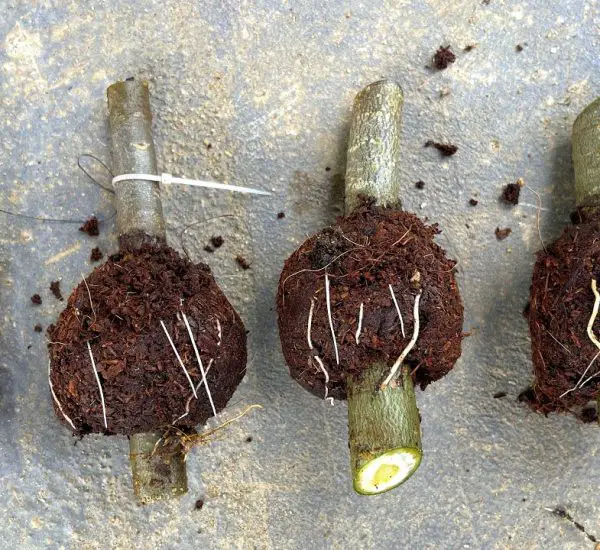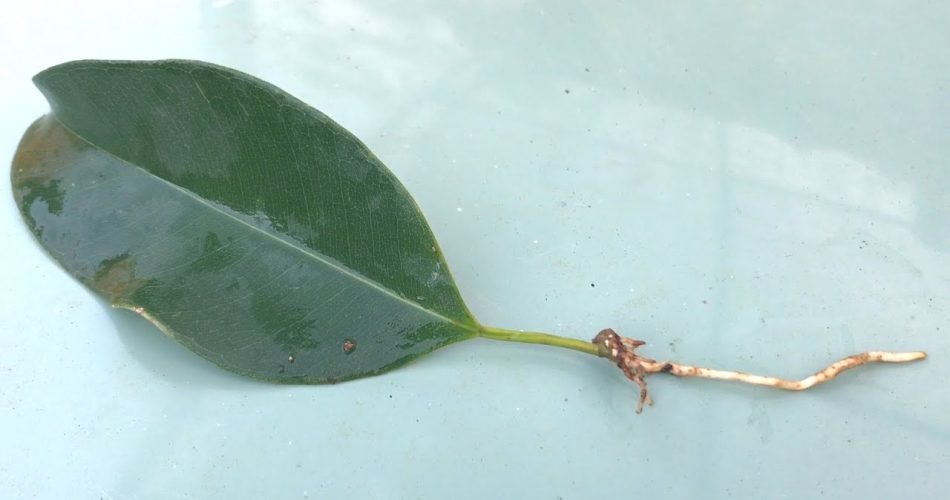
Ficus Benjamin, commonly known as the Weeping Fig, is a popular indoor plant known for its elegant foliage and air-purifying qualities. If you’re looking to expand your collection or share this beautiful plant with friends, you can easily propagate it by planting its leaves. Here’s how to do it!
Why Propagate Ficus Benjamin?
- Easy Growth: Ficus Benjamin is relatively easy to propagate, making it perfect for beginners.
- Cost-Effective: Instead of buying new plants, you can grow them from existing ones.
- Enjoyable Process: Watching your cuttings develop into new plants can be very rewarding!
Steps to Plant Ficus Benjamin Leaves
1. Select Healthy Leaves
- Choose Wisely: Look for healthy, mature leaves on your Ficus Benjamin. They should be vibrant and free of spots or damage.
2. Prepare the Cuttings
- Make the Cut: Using sharp scissors or pruning shears, gently cut a leaf along with a small section of stem (about 2-4 inches long). This increases the chance of successful rooting.
- Multiple Cuttings: You can take several cuttings to maximize your chances of success.
3. Let Them Callous
- Allow to Rest: Place the cuttings in a cool, dry location for about 24 hours. This allows the cut ends to callous over, which helps prevent rot when planted.
4. Choose Your Planting Method
- Water Propagation:
- Place the cuttings in a jar or glass with enough water to cover the cut ends. Change the water every few days to keep it fresh.
- Soil Propagation:
- Fill a small pot with well-draining potting mix. Create a hole in the soil and gently insert the cut end of the stem. Firm the soil around the cutting.
5. Provide the Right Environment
- Light: Place your cuttings in a location with bright, indirect sunlight. Avoid direct sunlight, as it can scorch the leaves.
- Humidity: Ficus Benjamin thrives in humid environments. If propagating in water, the humidity is naturally high. For soil propagation, consider covering the pot with a plastic bag to create a greenhouse effect, removing it occasionally to prevent mold.
6. Watering and Care
- Keep Moist: Ensure the soil stays moist but not soggy. If propagating in water, keep the water level consistent.
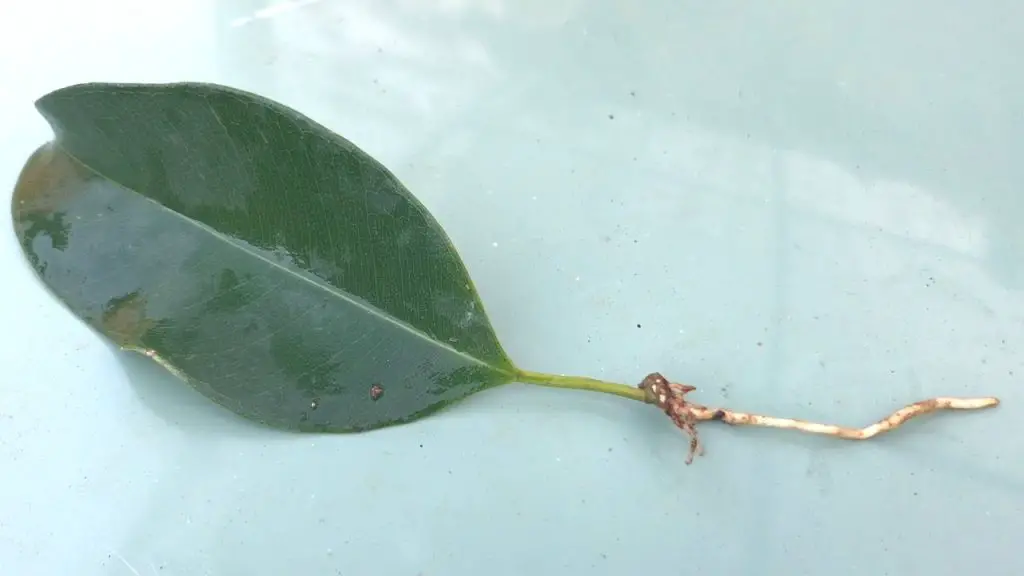
- Be Patient: Roots may take 4-6 weeks to develop. Look for signs of growth, such as new leaves or roots.
7. Transplanting to Larger Pots
- When to Transplant: Once your cuttings have developed healthy roots (about 2-3 inches long), they can be transplanted into larger pots.
- Soil Selection: Use a high-quality potting mix suitable for houseplants.
Conclusion
Planting Ficus Benjamin leaves is an excellent way to propagate this beautiful plant and enjoy its many benefits. With a little patience and care, you can grow new Ficus Benjamin plants that will thrive in your home. Happy planting!
Copy
Show Comments