Roses are among the most beloved and cherished flowers around the world, thanks to their beauty, fragrance, and timeless charm. Whether you’re an experienced gardener or just starting out, propagating roses by cuttings is an excellent way to expand your garden and grow more of these stunning blooms. In this article, we will explore two simple ways to propagate roses from cuttings, including an easy method of planting roses in sand.
Why Propagate Roses by Cuttings?
Propagating roses by cuttings is a popular method because it allows you to create new rose plants that are genetically identical to the parent plant. This means that the new plants will have the same flower color, fragrance, and growth characteristics. It’s also a cost-effective and satisfying way to increase the number of roses in your garden without having to buy new plants.
Method 1: Propagating Roses by Cuttings in Sand
One of the most effective ways to propagate roses is by using sand as the growing medium for your cuttings. Sand is a well-draining material that helps prevent excess moisture around the cutting, reducing the risk of rotting and promoting healthy root development. Here’s how to do it:
Steps to Propagate Roses in Sand:
- Select a healthy rose stem: Choose a healthy, non-flowering rose stem that is about 4-6 inches long. Make sure it’s taken from a vigorous plant, preferably in the spring or early summer.
- Prepare the cutting: Trim the bottom of the stem just below a leaf node and remove any leaves or flowers from the lower half of the cutting. This helps the cutting focus its energy on root development instead of supporting leaves or blooms.
- Dip in rooting hormone: To increase your chances of successful rooting, dip the bottom of the cutting in rooting hormone. While this step is optional, it helps promote quicker root growth.
- Prepare a sand-filled container: Fill a small pot or container with coarse sand. Make sure it’s well-draining and free from any contaminants that could affect root growth. You can mix sand with a bit of perlite or vermiculite for added drainage.
- Plant the cutting: Insert the cutting into the sand, burying the bottom about 2 inches deep. Firm the sand around the cutting to ensure it stays in place.
- Create a humid environment: Cover the cutting with a clear plastic bag or plastic bottle to create a greenhouse effect and maintain moisture. Place the container in a bright, warm location, but avoid direct sunlight, which can scorch the cutting.
- Water lightly: Keep the sand moist but not soggy. Water the cutting lightly every few days, ensuring it has adequate moisture without becoming waterlogged.
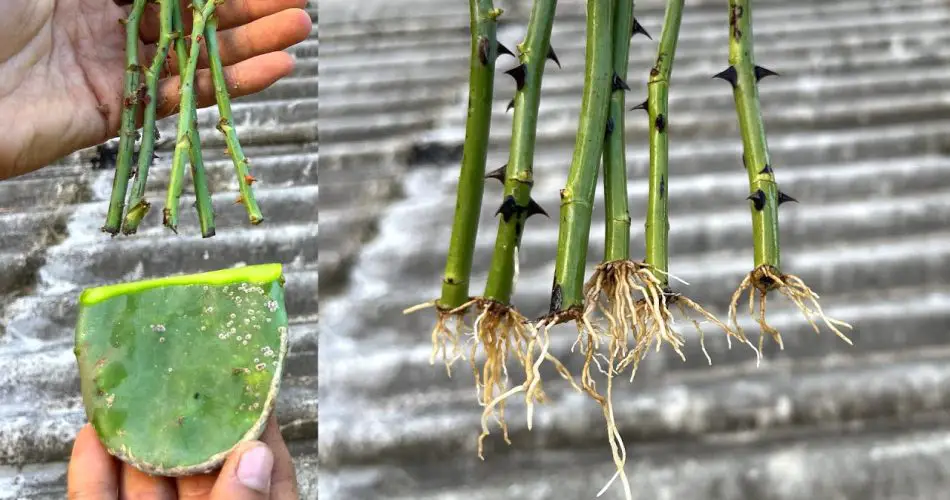
- Wait for rooting: After about 4-6 weeks, the cutting should have developed roots. Gently tug on the cutting to check for resistance, which indicates that roots have formed. Once rooted, you can transplant the new rose plant into a larger pot or directly into your garden.
Method 2: Propagating Roses by Cuttings in Water
Another simple method of propagating roses is by rooting the cuttings in water. This is a slightly different approach but just as effective in many cases.
Steps to Propagate Roses in Water:
- Take a cutting: Just like in the sand method, select a healthy rose stem that is about 4-6 inches long. Remove the leaves from the lower half of the stem, and trim the cutting just below a leaf node.
- Place in water: Place the cutting in a jar or glass of clean water. Ensure that the lower half of the stem is submerged, but keep the leaves above the water to prevent rot.
- Change the water regularly: Keep the cutting in a bright, warm location and change the water every few days to keep it fresh and clear.
- Wait for roots to form: In about 2-3 weeks, you should start to see roots emerging from the cutting. Once the roots are around 1-2 inches long, you can transplant the cutting into a pot with potting soil.
Results: What to Expect
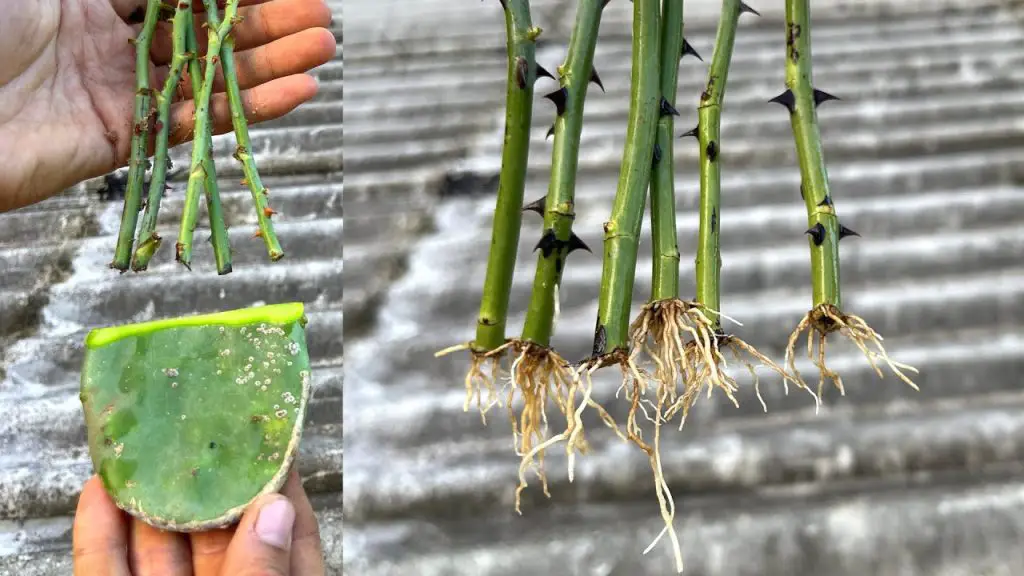
- Root Formation: With both methods, the cutting will develop roots over time, although the process may take a bit longer in sand. The success rate for rooting is typically high if the cutting is healthy and treated properly.
- Transplanting: Once the rose cutting has developed strong roots, it can be transplanted into a pot or directly into your garden. With adequate care, it will begin to grow into a fully established rose plant.
- Flowering: The new rose plant should start to flower in about 1-2 years depending on the variety. While it may take some time for the plant to reach full maturity, you can expect beautiful blooms in the near future.
Tips for Success
- Choose the right time: The best time to propagate roses is in late spring or early summer when the plant is actively growing.
- Use fresh cuttings: Always use fresh cuttings, as older wood may not root as well.
- Be patient: Rose cuttings can take time to develop roots, so be patient and avoid disturbing the cutting too often.
- Ensure proper drainage: Whether using sand or water, good drainage is crucial to prevent rot and ensure successful rooting.
Conclusion
Propagating roses by cuttings is a straightforward and rewarding way to grow more of these beautiful flowers. Whether you choose to propagate in sand or water, both methods offer a simple and effective way to create new rose plants. By following these easy steps, you’ll be on your way to expanding your rose garden in no time, bringing the beauty of roses into your home or garden for years to come.