Plumeria, also known as Frangipani, is a stunning flowering plant prized for its fragrant, vibrant blooms. Known for their tropical allure and beauty, plumeria flowers are often associated with warm climates and are perfect for adding a touch of the tropics to your garden or home. If you’re dreaming of growing your own plumeria, this guide will walk you through everything you need to know to cultivate these beautiful flowers with ease.
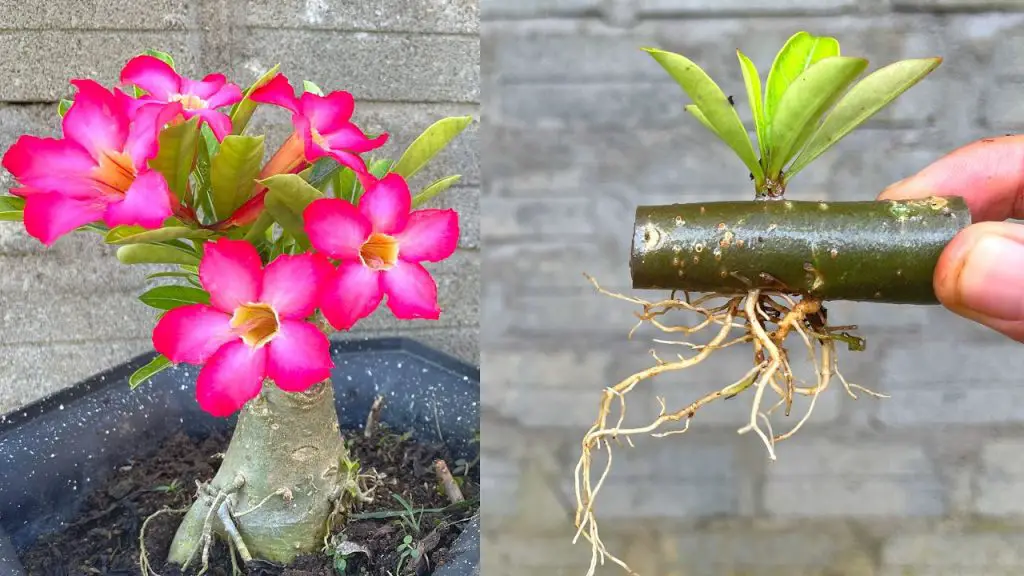
What Is Plumeria?
Plumeria is a genus of flowering plants native to tropical and subtropical regions. The plants produce fragrant flowers that come in various colors, including white, yellow, pink, and red. These flowers are often used in leis in Hawaii, adding to their iconic status.
Plumeria plants are relatively easy to grow if given the right care and environment. They thrive in warm climates and can be grown outdoors in USDA hardiness zones 10-12. However, they can also be successfully grown in containers indoors in cooler climates.
Best Conditions for Growing Plumeria
Plumerias thrive when they have access to the following ideal conditions:
- Warm temperatures: Plumeria flowers require a temperature of at least 60°F (15°C) and grow best in temperatures ranging from 70-85°F (21-29°C).
- Full sunlight: These plants need plenty of direct sunlight for at least 6 hours a day to promote healthy growth and abundant blooms.
- Well-draining soil: The soil should be light, well-draining, and slightly acidic. Plumeria prefers a pH level between 6 and 7.
- Protection from frost: Plumeria is not frost-hardy, so if you live in a cooler climate, it’s important to bring the plant indoors during the winter months.
How to Plant Plumeria
There are two main ways to grow plumeria: from seeds or from cuttings. For beginners, starting with cuttings is often the easiest and quickest method.
Planting Plumeria from Cuttings
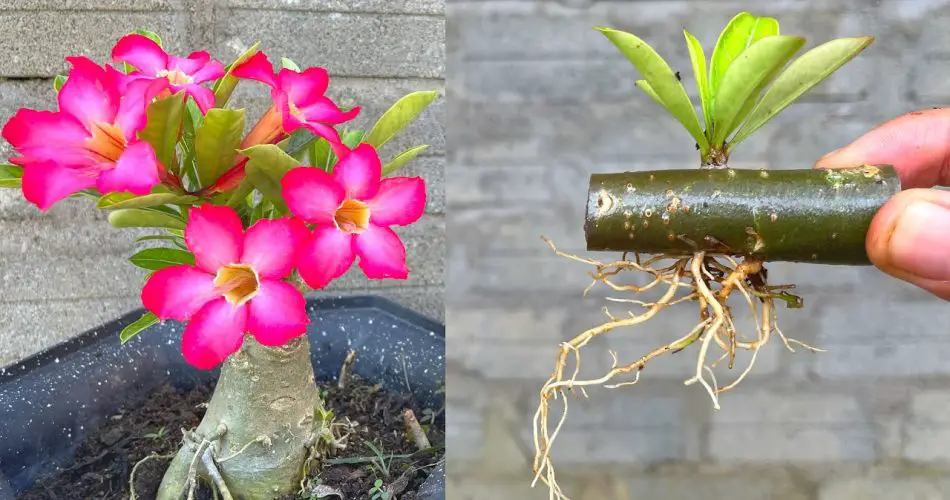
- Select a healthy cutting: Choose a healthy plumeria stem that is about 12-18 inches long and free from disease. Make sure the cutting has a leaf node.
- Let the cutting callus over: Place the cutting in a dry, shaded area for about 2-3 days to allow the cut end to callus over. This step helps prevent rot when planting.
- Prepare the planting site: Choose a location with well-draining soil. If planting in a pot, use a potting mix specifically designed for cacti or succulents.
- Plant the cutting: After the cutting has callused, plant it in the prepared soil, burying the callused end about 2-3 inches deep.
- Water lightly: Water the cutting lightly and avoid overwatering. The cutting does not need much water until it begins to root, which can take 4-6 weeks.
How to Plant Plumeria from Seeds
Although planting from seeds can take longer, it’s still a fun and rewarding process.
- Obtain seeds: Plumeria seeds are typically available at garden centers or online.
- Prepare the soil: Use a seed-starting mix that is lightweight and well-draining.
- Plant the seeds: Gently press the seeds into the soil, but don’t cover them completely. They need light to germinate.
- Provide warmth and light: Keep the seeds in a warm, sunny spot with a temperature of 70-85°F (21-29°C). Mist them occasionally to keep the soil slightly moist.
- Wait for germination: Plumeria seeds can take 2-3 weeks to germinate. Once the seedlings appear, allow them to grow until they are big enough to be transplanted into larger pots or directly into the ground.
Plumeria Care Tips
To ensure your plumeria flowers flourish, here are some essential care tips:
Watering
Plumeria plants are drought-tolerant but will require regular watering during the growing season. Ensure the soil is moist but not soggy, and allow the top inch of soil to dry out between waterings. Overwatering can lead to root rot, so make sure your plant is in a pot with proper drainage.
Fertilizing
To encourage healthy growth and abundant blooms, fertilize your plumeria once a month during the growing season (spring and summer). Use a balanced fertilizer or one with a higher phosphorus content to promote blooming. Avoid fertilizing in the fall and winter when the plant is dormant.
Pruning
Plumeria can be pruned to shape the plant and remove dead or damaged branches. Trim the plant after it finishes flowering to encourage new growth. However, avoid cutting too much off, as this can slow down the plant’s development.
Temperature and Humidity
As tropical plants, plumeria flowers prefer high humidity and warm temperatures. If you’re growing plumeria indoors, consider placing the plant on a humidity tray or using a humidifier to maintain an ideal environment.
Common Plumeria Problems and Solutions
- Yellowing leaves: This can be a sign of overwatering, nutrient deficiencies, or root rot. Ensure the plant is in well-draining soil and adjust your watering routine.
- No blooms: If your plumeria isn’t flowering, it could be due to insufficient sunlight, poor soil quality, or improper fertilization. Ensure it’s receiving at least 6 hours of sunlight a day and apply a balanced fertilizer.
- Pests: Plumeria plants can be susceptible to pests like aphids, mealybugs, and scale insects. Use an insecticidal soap or neem oil to treat infestations.
Conclusion
Growing plumeria flowers is a rewarding experience that allows you to enjoy tropical beauty and fragrance in your own garden or home. By following the proper care guidelines and ensuring the right conditions, you can easily grow these stunning flowers. Whether you choose to propagate your plumeria from cuttings or seeds, this plant will undoubtedly add a touch of elegance and tropical charm to your space.
So, get ready to watch your plumeria bloom and transform your garden with its vibrant and beautiful flowers!