Enhancing the flowering potential of your garden can be achieved through some innovative techniques, such as using bananas and mastering the art of grafting Christmas cactus. These methods not only improve plant health but also ensure a vibrant and blooming garden. Here’s how you can use bananas to help your plants flower and successfully graft Christmas cactus.
Using Bananas to Help Plants Flower
Bananas are more than just a tasty fruit; they can also be a powerful ally in promoting plant flowering. Here’s how bananas benefit flowering plants:
- Nutrient-Rich: Bananas are rich in potassium, an essential nutrient that supports the development of flowers and fruits. Potassium helps plants manage water use, strengthen cell walls, and enhance flower production.
- How to Use Bananas:
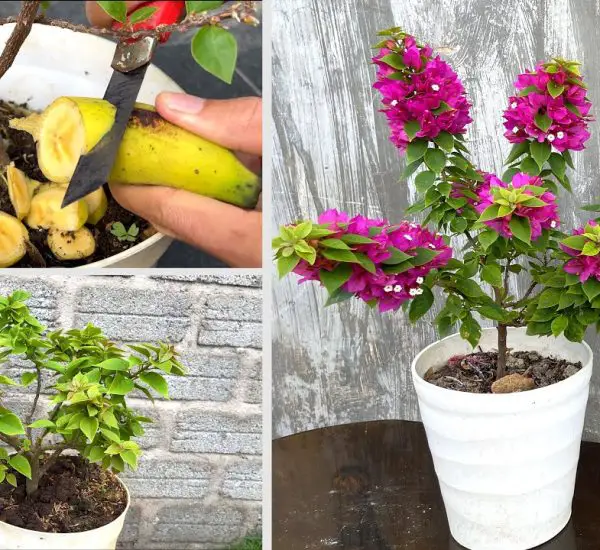
- Banana Peels: Chop banana peels into small pieces and bury them in the soil around your flowering plants. As the peels decompose, they release potassium and other nutrients into the soil.
- Banana Fertilizer: Blend banana peels with water and let the mixture sit for a few days. Strain the liquid and use it to water your plants, providing them with a nutrient boost.
- Benefits:
- Promotes Blooming: Regular application of banana peels or banana water encourages plants to produce more flowers and enhances their overall health.
- Eco-Friendly: Utilizing banana peels reduces waste and provides a natural alternative to synthetic fertilizers.
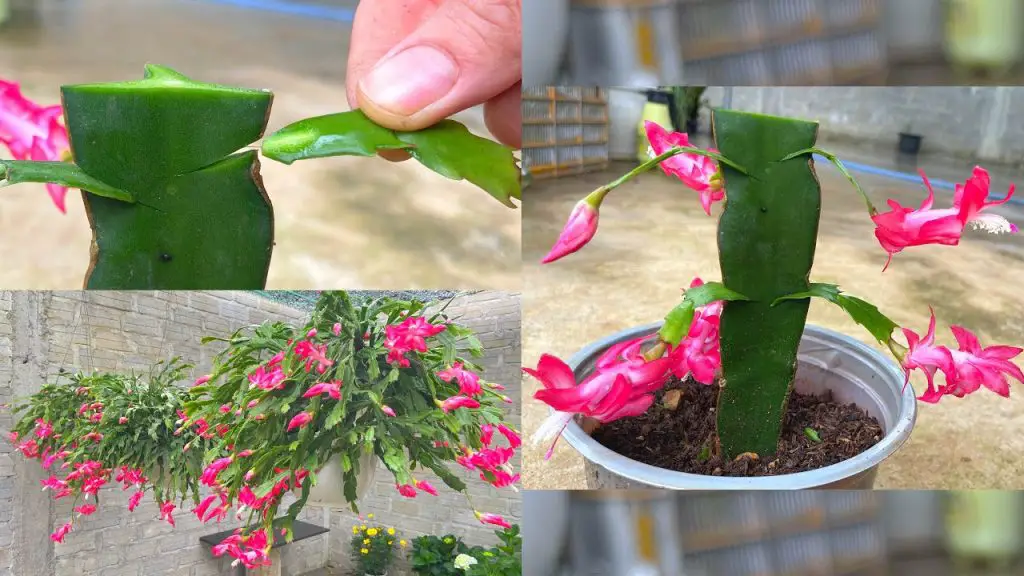
How to Graft Christmas Cactus
Grafting is a technique used to propagate plants and can be particularly useful for Christmas cactus (Schlumbergera). Here’s a step-by-step guide to grafting this beautiful plant:
- Gather Materials:
- Christmas cactus cuttings (healthy and mature)
- Rootstock (a compatible cactus species to serve as the base)
- Sterilized knife or scissors
- Rooting hormone (optional)
- Grafting tape or rubber bands
- Clean, well-draining soil mix
- Prepare the Cuttings:
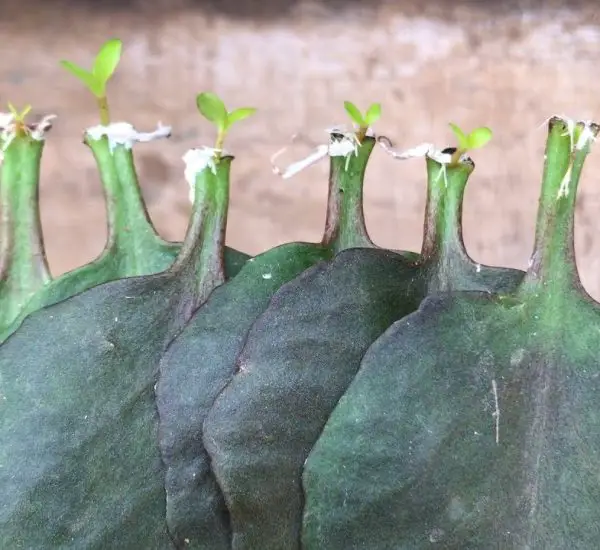
- Select and Cut: Choose a healthy segment from the Christmas cactus, ideally with a few segments (pads). Make a clean cut at the joint where the segments connect.
- Let Heal: Allow the cut end to callous over for a few hours to a day. This reduces the risk of rot after grafting.
- Prepare the Rootstock:
- Cut the Rootstock: Select a robust cactus to serve as the rootstock. Make a clean cut on the top of the rootstock where the Christmas cactus cutting will be grafted.
- Grafting Process:
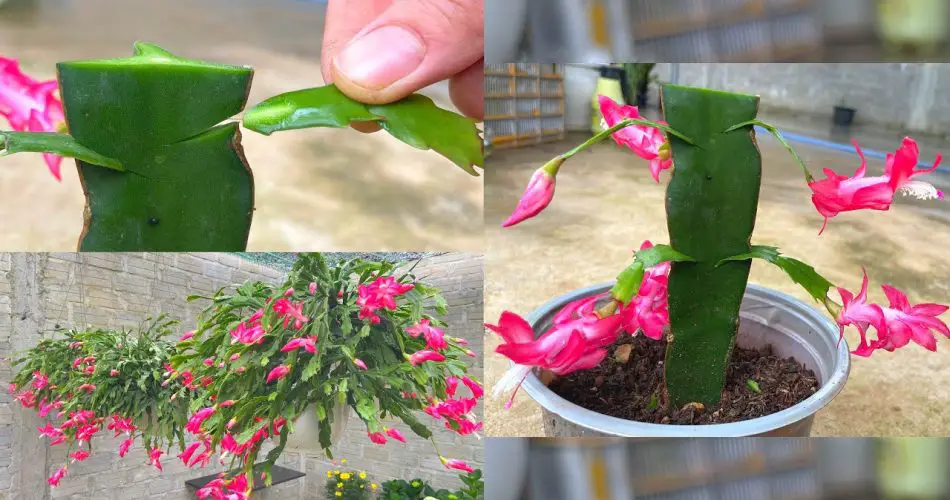
- Align and Attach: Position the Christmas cactus cutting on top of the rootstock, ensuring that the cut surfaces are aligned. Secure them together with grafting tape or rubber bands.
- Optional: Apply rooting hormone to encourage faster integration of the cutting and rootstock.
- Care After Grafting:
- Monitor and Water: Place the grafted cactus in a warm, bright location but out of direct sunlight. Water sparingly until new growth appears.
- Remove Tape: Once the graft has successfully integrated and new growth is visible, carefully remove the grafting tape or rubber bands.
- Benefits:
- Enhanced Blooming: Grafting can lead to improved flowering and overall plant health by combining the desirable traits of both the rootstock and the cutting.
- Propagation: This method allows for the propagation of specific cactus varieties, creating clones with the same flowering characteristics.
Why It Works
Bananas provide potassium, essential for flowering and fruit production, while grafting Christmas cactus combines the best traits of two plants to produce a robust and flowering specimen. Both techniques enhance plant health and flowering, resulting in a more vibrant and flourishing garden.
Using bananas to enrich the soil and employing grafting techniques for Christmas cactus are effective strategies for boosting plant health and promoting blooming. By integrating these methods into your gardening routine, you can enjoy a garden filled with vibrant flowers and healthy plants. Embrace these natural and innovative techniques to elevate your gardening experience and achieve a stunning display of blooms.