Creating your own compost is a fantastic way to enrich your garden soil and promote healthy plant growth. By using common kitchen and garden waste such as banana skins, chicken eggs, and aloe, you can produce a nutrient-rich compost that benefits your plants. Here’s a guide on how to make compost from these readily available materials and why it’s beneficial for your garden.
Benefits of Composting with Banana Skins, Chicken Eggs, and Aloe
- Nutrient-Rich: Each component offers valuable nutrients for your plants. Banana skins are high in potassium, chicken eggs provide calcium, and aloe adds vitamins and enzymes that improve soil health.
- Eco-Friendly: Composting reduces kitchen waste and recycles it into something beneficial for your garden, promoting a sustainable approach to gardening.
- Improves Soil Health: The compost created from these materials enhances soil structure, increases moisture retention, and boosts beneficial microorganisms.

How to Make Compost with Banana Skins, Chicken Eggs, and Aloe
- Gather Your Materials:
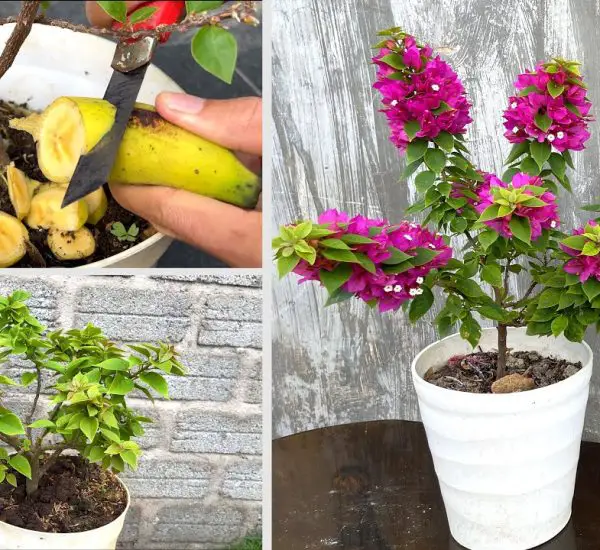
- Banana skins (chopped into small pieces)
- Chicken eggs (crushed shells)
- Aloe leaves (chopped into small pieces or blended)
- Additional composting materials (such as green plant scraps, brown leaves, and grass clippings)
- Prepare the Banana Skins:
- Chop the banana skins into small, manageable pieces. This increases the surface area and speeds up the decomposition process.
- Prepare the Chicken Eggs:
- Crush the eggshells into small fragments. Eggshells are a great source of calcium and will help in strengthening plant cell walls.
- Prepare the Aloe:
- Chop or blend the aloe leaves into small pieces. Aloe contains enzymes and natural hormones that can aid in compost decomposition and improve soil fertility.
- Create the Compost Mix:
- Combine Ingredients: In a compost bin or pile, mix the banana skins, crushed eggshells, and chopped aloe with other compostable materials. Aim for a balance between green (nitrogen-rich) and brown (carbon-rich) materials.
- Layering: Start with a layer of brown materials, add a layer of your mixed ingredients, and repeat the layers. Ensure that the pile remains moist but not waterlogged.
- Maintain the Compost:
- Turn the Pile: Every few weeks, turn the compost pile to aerate it and speed up decomposition. This helps to maintain oxygen flow and mix the ingredients.
- Monitor Moisture: Keep the compost pile moist but not soggy. If it’s too dry, add some water; if it’s too wet, add more brown materials.
- Use the Compost:
- Finish: The compost is ready when it turns dark and crumbly and has an earthy smell. This process can take a few months depending on the conditions and ingredients used.
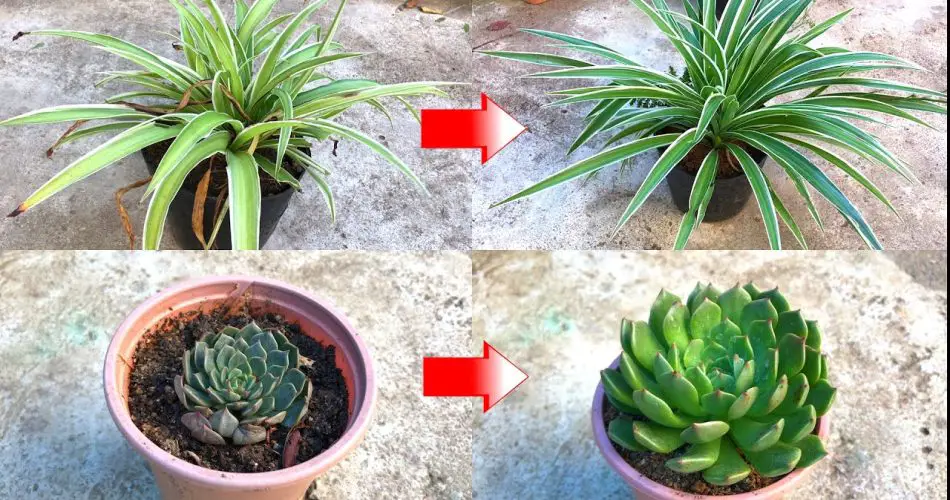
- Apply to Soil: Use the finished compost to enrich garden beds, potting mixes, or container plants. It provides essential nutrients and improves soil structure.
Why It Works
Banana skins add potassium and phosphorus, crucial for plant flowering and fruiting. Chicken eggshells contribute calcium, which is vital for cell wall integrity and prevents blossom end rot. Aloe enhances the compost with its natural growth-promoting properties, fostering a healthier soil environment.
Making compost from banana skins, chicken eggs, and aloe is a sustainable and beneficial way to recycle kitchen and garden waste into a valuable resource for your plants. By following these steps, you can create rich, nutrient-dense compost that supports healthy growth and enhances soil quality in your garden. Embrace this eco-friendly approach to gardening and watch your plants thrive with the help of homemade compost.