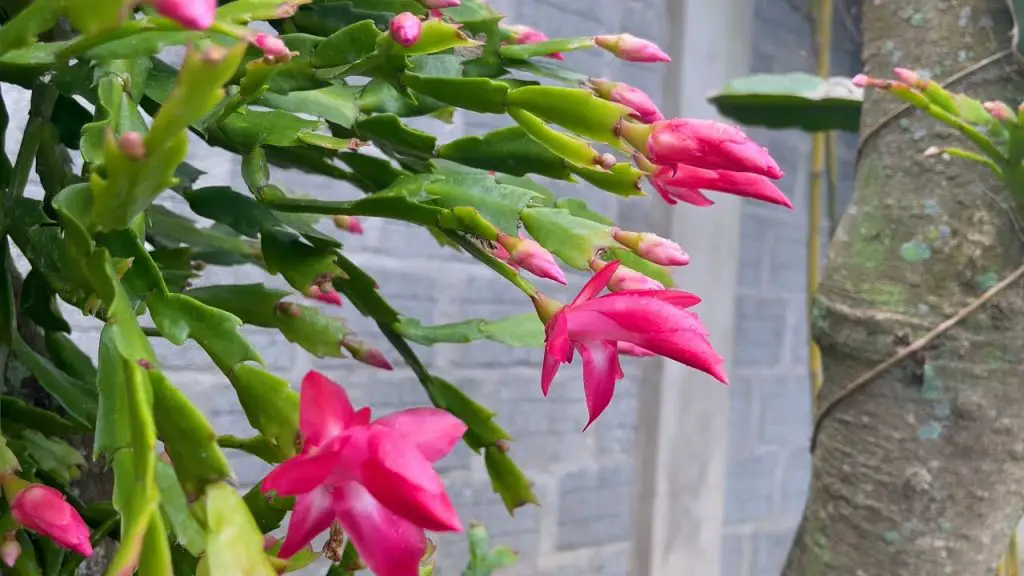
Grafting is an exciting technique that allows gardeners to combine two plants to create a hybrid with the best traits of both. One unique idea is grafting a Christmas cactus (Schlumbergera) onto a brush cactus (also known as the Cholla cactus or Opuntia). This method can result in a fascinating plant that has the vibrant blooms of a Christmas cactus and the hardiness of a brush cactus. If you’re looking for a way to experiment with your gardening skills and create a beautiful, resilient hybrid, here’s how you can graft a Christmas cactus onto a brush cactus.
What is Grafting?
Grafting is a horticultural technique where tissues of two plants are joined together so that they grow as one. The rootstock (in this case, the brush cactus) provides the plant with nutrients and support, while the scion (the Christmas cactus) contributes the foliage and blooms. Grafting can create unique combinations that wouldn’t normally occur naturally, offering benefits like improved disease resistance or enhanced beauty.
Why Graft a Christmas Cactus onto a Brush Cactus?
Grafting a Christmas cactus onto a brush cactus can provide several advantages:
- Hardiness: The brush cactus is known for its resilience and ability to withstand dry, harsh conditions. Grafting a Christmas cactus onto it can make the plant more adaptable and drought-resistant, ideal for growing in areas with extreme temperatures or irregular watering.
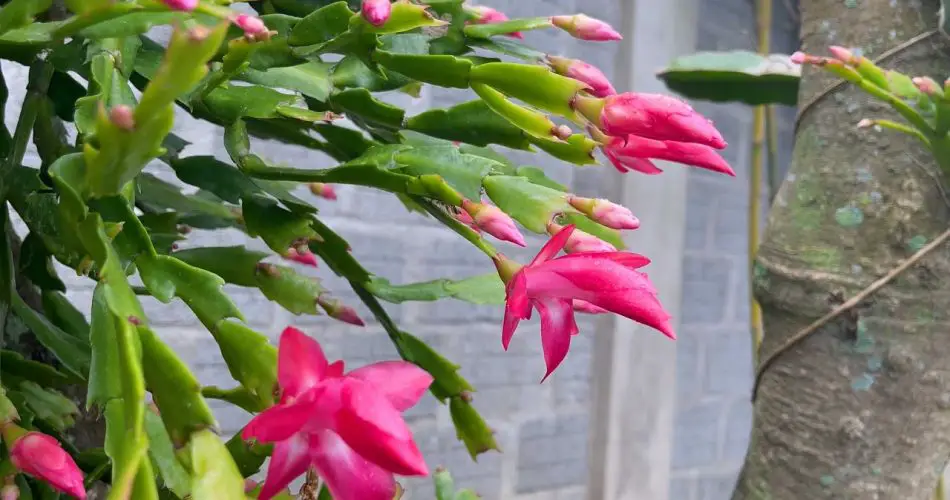
- Aesthetic Appeal: Christmas cacti are celebrated for their stunning vivid blooms that appear in winter, but their growth habits are often delicate. By grafting onto a brush cactus, you can create a visually striking hybrid that combines the Christmas cactus’s colorful flowers with the spiny, sculptural look of the brush cactus.
- Faster Growth: Grafting onto a hardier rootstock like the brush cactus can promote faster growth for the Christmas cactus, as the root system of the brush cactus is robust and more efficient at absorbing nutrients.
How to Graft a Christmas Cactus onto a Brush Cactus
Follow these steps to graft a Christmas cactus onto a brush cactus successfully:
1. Gather Your Materials
You will need the following tools and materials:
- A healthy Christmas cactus (scion)
- A mature brush cactus (rootstock)
- Sharp pruning shears or a knife
- Grafting tape or plant bandages
- A clean cutting tool to avoid infection
- Sterilized scissors or knife for trimming
2. Choose the Right Scion and Rootstock
Select a Christmas cactus with healthy stems and vibrant growth. Make sure the brush cactus is large enough to support the graft and has healthy roots. The size of the two plants should be compatible to ensure a successful graft.
3. Prepare the Rootstock (Brush Cactus)
Cut off the top portion of the brush cactus where the graft will take place. This will allow the Christmas cactus to be attached to the central stem of the brush cactus. Make sure the cut is clean and even.
4. Prepare the Scion (Christmas Cactus)
Cut a healthy stem segment from the Christmas cactus. The segment should be about 2-4 inches long and have a healthy, vibrant appearance. The scion should ideally have a flat surface that can align perfectly with the rootstock.
5. Graft the Scion onto the Rootstock
Carefully place the cut end of the Christmas cactus stem onto the prepared top of the brush cactus. The cut surfaces of the two plants should be in direct contact. Align the cambium layers (the living tissue of the plants) to ensure proper grafting.
6. Secure the Graft
Wrap the graft site with grafting tape or plant bandages to hold the scion in place while it heals. This ensures the two parts remain securely connected and the tissues grow together.
7. Care for the Grafted Plant
Once the graft is secured, place the plant in a warm, well-lit location, but avoid direct sunlight for a few days. Water the plant lightly to keep the grafted area moist but not overly saturated.
8. Monitor the Graft
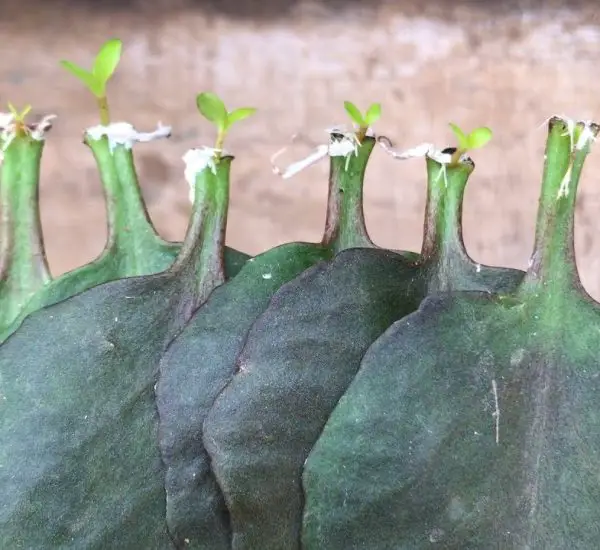
After a few weeks, check the graft site for signs of success. The Christmas cactus should start growing on the brush cactus, with new green shoots emerging from the grafted area. Once the graft takes, you can slowly reduce the support tape and let the plant continue to grow freely.
Caring for Your Grafted Christmas Cactus and Brush Cactus Hybrid
Once the graft has successfully taken, your hybrid plant will require regular care:
- Watering: Water the plant sparingly, as brush cacti are more drought-tolerant. Overwatering could lead to root rot, so ensure the soil is well-draining and allow it to dry out between waterings.
- Light: Place the plant in a bright, indirect light spot to help both the Christmas cactus and the brush cactus thrive.
- Temperature: Christmas cacti prefer cooler temperatures, while brush cacti are more heat-tolerant. Aim for a moderate temperature range of 65-75°F (18-24°C).
- Fertilizing: Feed the plant with a balanced fertilizer during the growing season, especially to promote blooming in the Christmas cactus.
Conclusion
Grafting a Christmas cactus onto a brush cactus is a creative and rewarding way to experiment with your gardening skills. The hybrid plant that results from this grafting process can offer unique aesthetic appeal, improved hardiness, and faster growth. Whether you are an experienced gardener or just starting, grafting this striking combination is a fun project that will reward you with an exquisite, resilient plant capable of thriving in various conditions. With a little patience and care, your grafted plant will bloom beautifully, giving you the best of both worlds in your home or garden.