Dragon cactus grafts and land cacti are both popular in the world of succulent gardening, but they differ in several important ways. Below is a comparison of these two types of cacti, highlighting their growth habits, appearance, care requirements, and propagation methods.
1. Growth and Appearance
- Dragon Cactus Grafts: Dragon cactus, often seen as grafted cacti (typically the Hylocereus species), are characterized by their vibrant, often neon-colored top grafted onto a hardier base (such as Trichocereus). The top part, known as the “dragon fruit” or “moon cactus,” is usually pink, red, or yellow and produces beautiful, exotic flowers. These grafts are cultivated to create eye-catching, colorful plants.
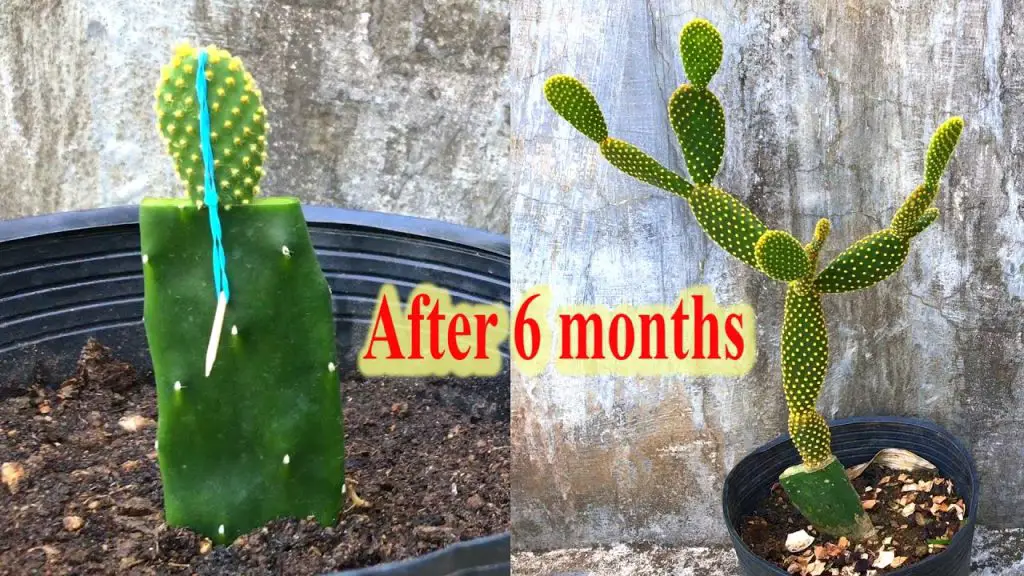
- Land Cacti: These are natural, non-grafted cacti that grow directly from the ground. Land cacti include varieties like Saguaro, Barrel, and Prickly Pear, which have more traditional cactus shapes, with tall, spiny stems or globular bodies. These cacti are typically green and adapt well to various environmental conditions.
2. Care Requirements
- Dragon Cactus Grafts: Grafted dragon cacti need a slightly more delicate care regimen. The grafted top is typically less hardy than the rootstock, requiring indirect light and careful watering. Over-watering or too much direct sunlight can harm the top portion. Grafted dragon cacti are more susceptible to root rot because their rootstock is not as resilient as land cacti.
- Land Cacti: Land cacti are often more tolerant of extreme heat, bright sunlight, and drought conditions. They are built to survive in harsh, dry environments. While they still require well-draining soil and infrequent watering, they are generally more forgiving when it comes to care and can thrive in direct sunlight.
3. Propagation
- Dragon Cactus Grafts: Grafting is a method of asexual propagation, where the top portion (often a colored, ornamental cactus) is fused onto a more resilient base. These cacti do not typically propagate from seeds easily and require precise techniques to maintain the grafted union.
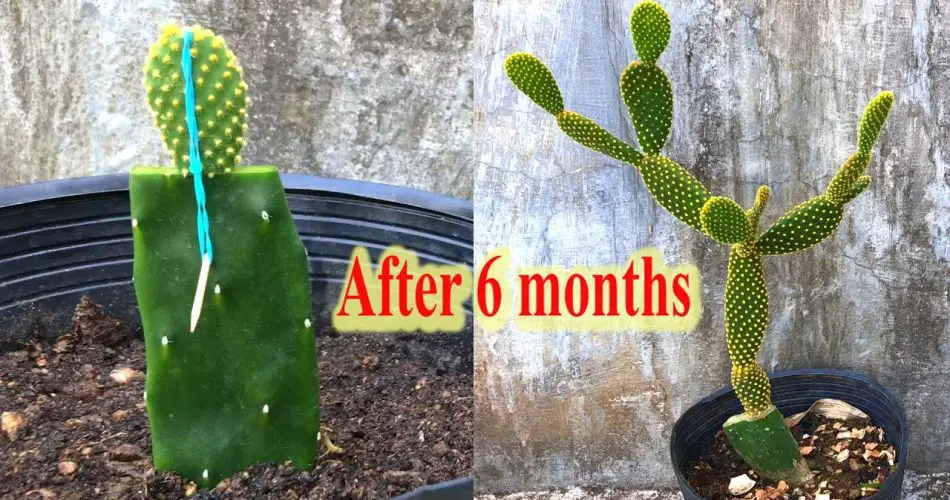
- Land Cacti: Most land cacti propagate from seeds or cuttings, allowing for a more natural and diverse reproduction process. Seeds can be harvested from flowers, and cuttings can be taken from mature plants and rooted to form new cacti.
4. Lifespan
- Dragon Cactus Grafts: Because they rely on a grafted top, these cacti tend to have a shorter lifespan than land cacti. The top growth is more vulnerable and may not survive as long as the rootstock, leading to potential failure if the graft union weakens.
- Land Cacti: With proper care, land cacti are typically long-lived and can survive for decades or even centuries, depending on the species. Their natural, unaltered growth allows them to thrive for much longer periods.
5. Watering Needs
- Dragon Cactus Grafts: Dragon cactus grafts tend to have more sensitive roots, meaning overwatering is a common issue. These cacti need to be watered only when the soil is completely dry, and care must be taken not to let the top portion stay too wet.
- Land Cacti: Land cacti are more drought-tolerant and can go longer without water. Watering should be done when the soil is dry to the touch, and during the growing season, land cacti can withstand occasional droughts.
6. Flowering and Fruit Production
- Dragon Cactus Grafts: Some dragon cactus grafts (like Hylocereus undatus) produce exotic flowers and dragon fruit (pitaya) when mature. These flowers tend to bloom in the summer and have a unique, night-blooming characteristic. However, the top portion needs to be healthy for fruit production, which can be affected by environmental factors.
- Land Cacti: Land cacti also produce flowers, but they vary significantly depending on the species. Flowers can range in color from yellow to red, and they typically bloom during specific seasons. Some land cacti, like the Prickly Pear, may also produce edible fruit, though not as exotic as the dragon fruit from grafted cacti.
Conclusion
- Dragon Cactus Grafts are ornamental and attention-grabbing, often requiring more delicate care due to their grafted nature. They tend to have a shorter lifespan, are more susceptible to root rot, and need careful management in terms of light and water.
- Land Cacti, on the other hand, are more hardy, drought-tolerant, and long-lasting. These plants are better suited for direct sunlight and harsh environments, and their propagation and care are more straightforward.
Choosing between dragon cactus grafts and land cacti depends on your gardening goals. If you’re looking for an easy-to-grow, low-maintenance plant, land cacti are a great choice. But if you’re after a striking, colorful centerpiece with unique characteristics, dragon cactus grafts can add a touch of the exotic to your collection.
Copy
Show Comments