A decorative flower pot is more than just a container for your plants—it’s an opportunity to express your personal style and enhance the overall aesthetic of your home garden. Whether you’re looking to add a pop of color, a touch of rustic charm, or a sleek, modern look, the right flower pot can transform your garden space into an inviting, beautiful oasis. In this article, we’ll explore some of the best flower pot models for home gardens, as well as ideas on how to pair them with your plants to create a stunning display.
Why Choose Decorative Flower Pots?
Decorative flower pots serve several important purposes in your garden beyond just holding your plants. Here’s why they are worth investing in:
- Aesthetic Appeal: The right decorative pot can complement the colors and shapes of your plants, adding beauty and structure to your garden. Whether you’re growing vibrant blooms, succulents, or herbs, a carefully chosen pot can enhance the plant’s overall impact.
- Functionality: Flower pots not only provide a place for your plants to grow but also ensure that they have proper drainage, which is essential for healthy root development.
- Versatility: Decorative pots come in a wide variety of shapes, sizes, and materials, making it easy to find a design that fits your garden theme, whether it’s modern, rustic, tropical, or minimalist.
Popular Decorative Flower Pot Models for Home Gardens
Here are some of the most popular decorative flower pot models you can consider for your garden:
1. Ceramic Flower Pots
Ceramic pots are timeless and come in various finishes, from glazed to unglazed. These pots offer a beautiful smooth texture and are available in a wide range of colors and patterns, making them perfect for showcasing plants like fuchsia, petunias, or orchids.
- Advantages: Ceramic pots are great at retaining moisture, making them ideal for plants that require consistent watering.
- Styling Tip: Pair a set of glazed ceramic pots in different sizes to create a cohesive look, or mix and match colors to add vibrancy to your garden.
2. Concrete Flower Pots
For a more industrial or modern look, concrete flower pots are an excellent choice. These pots are durable and can add a sleek, minimalist touch to your garden. Concrete pots tend to have a neutral color palette, which works well with a variety of plants, from succulents to tropical foliage.
- Advantages: Concrete pots are heavy, making them more stable in windy conditions. They also provide excellent insulation for plant roots, keeping the soil cooler in summer and warmer in winter.
- Styling Tip: Pair concrete pots with cacti or agave to create a striking contrast between the rough texture of the pot and the sharp, sculptural shapes of the plants.
3. Terracotta Flower Pots
Terracotta pots are a classic choice for any garden, known for their warm, earthy tones. The porous nature of terracotta allows for better air circulation to the roots, making these pots perfect for plants like tomatoes, herbs, and succulents.
- Advantages: These pots are breathable, allowing moisture to evaporate more efficiently and preventing root rot.
- Styling Tip: Terracotta works wonderfully in rustic or Mediterranean-style gardens. You can also decorate plain terracotta pots with paint or stencils to add a personal touch.
4. Wooden Flower Pots
Wooden pots add a rustic charm and natural warmth to any home garden. These pots can be used for both indoor and outdoor plants and are particularly well-suited for creating a cottage-style or country garden look.
- Advantages: Wooden pots are often lightweight and come in different finishes, such as natural, stained, or distressed. They also have excellent insulation properties for plants.
- Styling Tip: To enhance the wooden look, you can add moss, ivy, or climbing plants to spill over the edges, creating a whimsical, rustic effect.
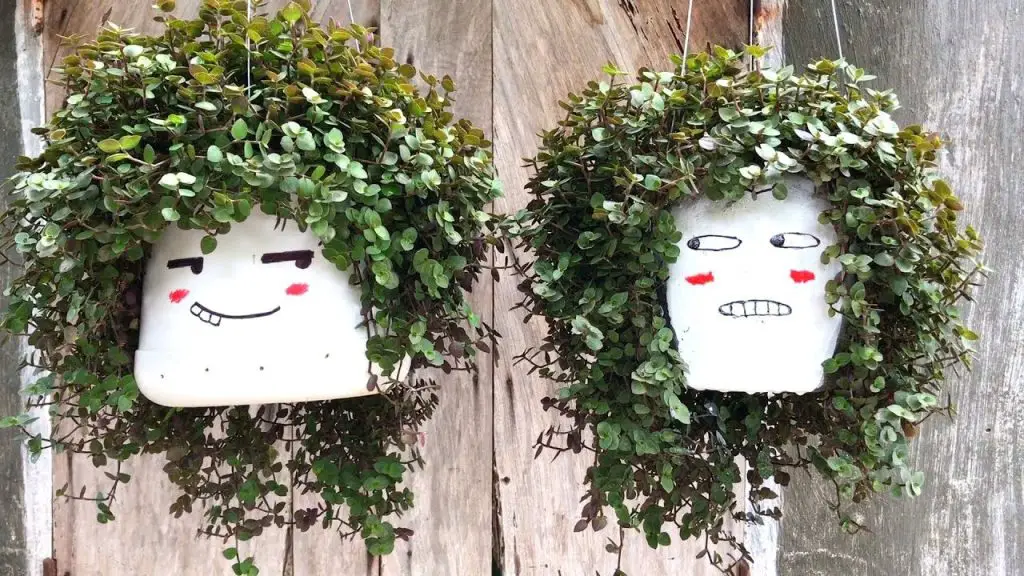
5. Hanging Flower Pots
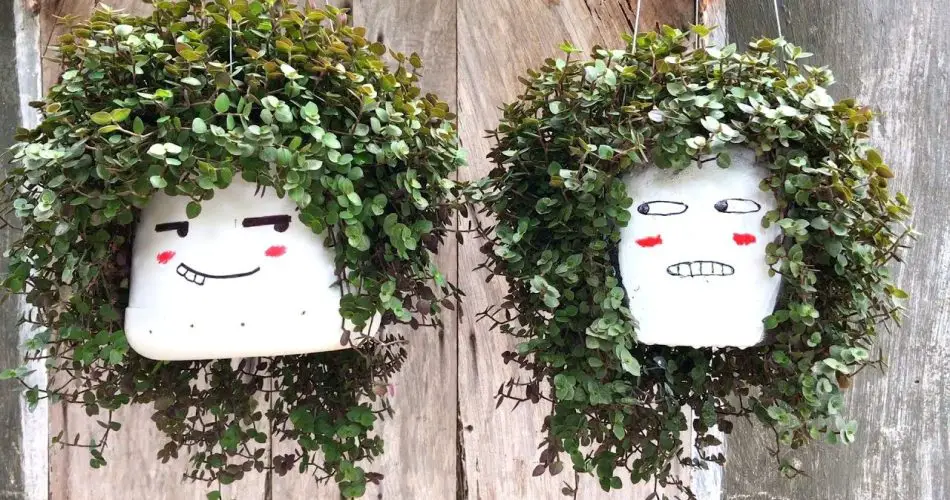
Hanging pots are perfect for those who want to add some vertical interest to their garden. These pots are typically made of plastic, ceramic, or metal, and can be hung from trees, fences, or wall brackets to showcase trailing plants like petunias, fuchsia, or vine tomatoes.
- Advantages: Hanging pots save space and can be used to decorate areas that might not have enough room for traditional potted plants.
- Styling Tip: Use a variety of hanging pots in different sizes and materials for a layered, cascading effect in your garden or balcony.
6. Self-Watering Flower Pots
For the busy gardener or those who tend to forget watering, self-watering flower pots are a game-changer. These pots come with an integrated water reservoir at the bottom, allowing the plant to absorb water as needed.
- Advantages: These pots help to prevent overwatering and ensure that your plants get consistent moisture. They are especially helpful for plants like ferns, peace lilies, or spider plants that thrive on consistent watering.
- Styling Tip: Self-watering pots are available in modern designs, which work well in contemporary gardens or urban spaces.
How to Choose the Right Decorative Pot for Your Home Garden
Selecting the right decorative flower pot for your home garden involves considering both practical and aesthetic factors. Here are some tips to help you make the perfect choice:
- Size: Choose a pot that allows enough room for your plant to grow. Too small a pot can stunt growth, while too large a pot can cause the soil to retain excess moisture.
- Material: Consider the climate and weather conditions in your area. For example, clay or ceramic pots are great for warmer climates, but they may crack in freezing temperatures. If you live in a cold region, plastic or fiberglass pots may be a better choice.
- Design: Think about the overall look of your garden. For a cohesive design, choose pots that match the color palette or theme of your outdoor space. Metallic or concrete pots can create a sleek, contemporary look, while terracotta and wooden pots give off a more natural, rustic vibe.
Creative Ways to Display Your Decorative Flower Pots
Once you’ve selected your decorative flower pots, it’s time to get creative with how you display them:
- Group Pots Together: Cluster pots in varying heights for a more dynamic arrangement. Place taller pots at the back and shorter ones in the front for a visually balanced look.
- Create a Focal Point: Use a statement pot—whether it’s a large, ornate ceramic pot or a uniquely designed wooden planter—to create a focal point in your garden or patio.
- Use Pot Stands: Elevating your flower pots on plant stands can add layers of height and make your plants more visible.
- Go Vertical: If you have limited space, install shelves or hanging racks to display your flower pots in a vertical arrangement, perfect for balconies or small gardens.
Conclusion
Decorative flower pots are an easy and effective way to enhance your home garden, whether you’re working with a small balcony or a sprawling backyard. The right pot not only showcases your plants but also adds a layer of style and personality to your outdoor space. From ceramic pots to wooden planters and self-watering containers, there’s a perfect decorative flower pot for every style and garden need. With the right combination of plants and pots, you can create a garden that’s as beautiful as it is functional.