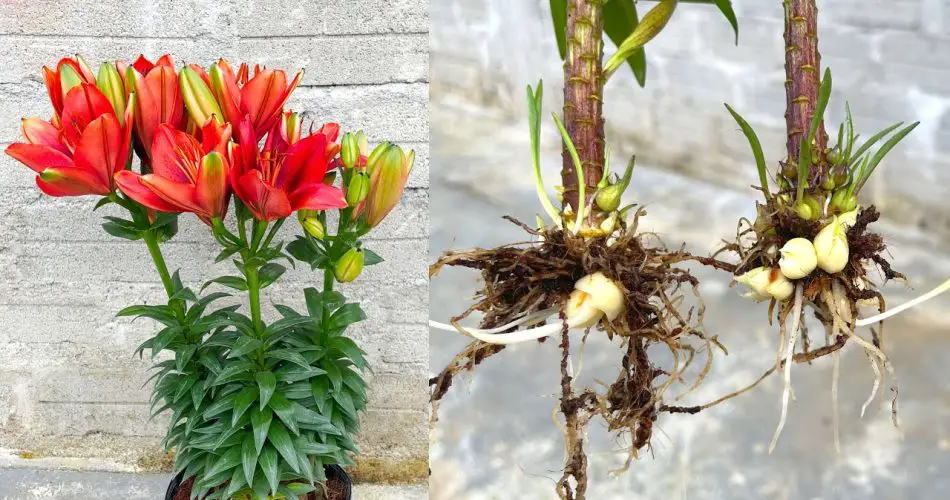
Lilies are renowned for their elegant blooms and vibrant colors, making them a favorite in gardens and floral arrangements. While many people are familiar with growing lilies from bulbs, few realize that these beautiful flowers can also be propagated from branches. Here’s an in-depth guide to growing lilies using both methods.
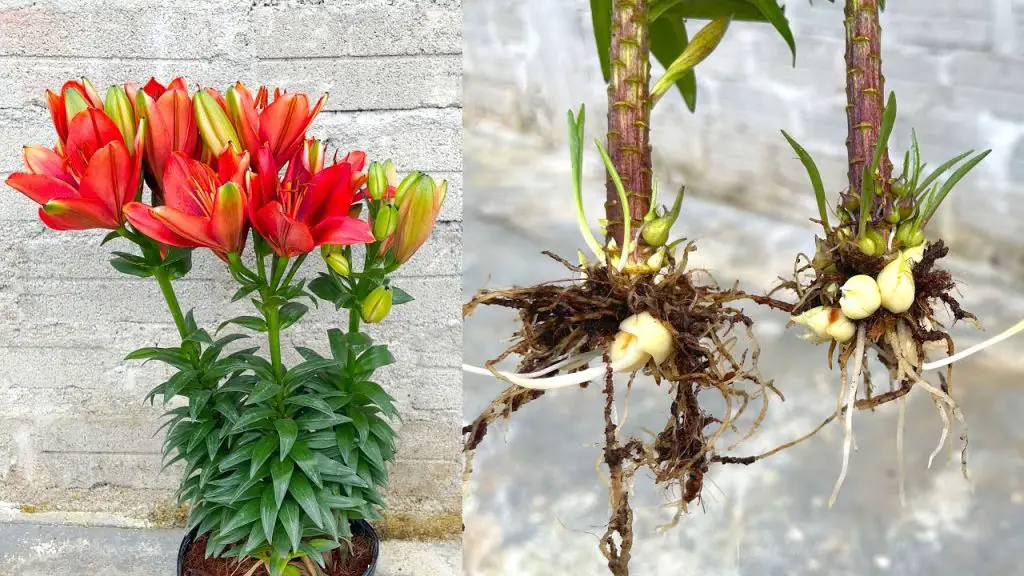
1. Growing Lilies from Bulbs
A. Choosing the Right Bulbs
- Bulb Types: Select healthy, firm bulbs free from disease or rot. Common types of lily bulbs include Asiatic, Oriental, and Trumpet lilies.
- Season: Plant lily bulbs in the fall for spring blooms or early spring for summer blooms, depending on your climate.
B. Preparing the Soil
- Soil Type: Lilies prefer well-draining soil rich in organic matter. A slightly acidic to neutral pH is ideal.
- Preparation: Amend the soil with compost or well-rotted manure to improve fertility and drainage.
C. Planting the Bulbs
- Depth and Spacing: Plant bulbs about 6-8 inches deep and space them 12-18 inches apart. This ensures ample room for growth and prevents overcrowding.
- Planting Position: Choose a sunny location with good air circulation to reduce the risk of disease.
D. Care and Maintenance
- Watering: Keep the soil moist but not waterlogged. Water the bulbs thoroughly after planting and during dry spells.
- Fertilizing: Apply a balanced fertilizer during the growing season to support healthy growth and blooming.
- Mulching: Use mulch to retain soil moisture and regulate temperature.
2. Growing Lilies from Branches
A. Understanding Branch Propagation
- Propagation Technique: Lilies can be propagated from stem cuttings or branches, although this method is less common than bulb propagation.
- Branch Selection: Choose healthy, mature stems from an existing lily plant. The stems should be free of disease and have several nodes (leaf attachments).
B. Preparing the Branches
- Cuttings: Take cuttings that are 4-6 inches long with at least one node. Remove any lower leaves to reduce moisture loss.
- Rooting Hormone: Dip the cut end of the branches in rooting hormone to encourage faster root development.
C. Planting the Cuttings
- Soil Medium: Use a well-draining potting mix or a mixture of perlite and peat moss.
- Planting: Insert the cuttings into the soil, ensuring that the node is buried. Water lightly and cover with a plastic bag or cloche to create a humid environment.
- Location: Place the pot in a bright, indirect light location. Avoid direct sunlight which can scorch the cuttings.
D. Care and Maintenance
- Watering: Keep the soil moist but not soggy. Ensure good drainage to prevent root rot.
- Humidity: Maintain high humidity around the cuttings to promote root growth. Mist the cuttings regularly or use a humidity dome.
- Temperature: Keep the temperature warm, ideally between 65-75°F (18-24°C).
3. Transitioning and Growing On
A. Transplanting
- Timing: Once the cuttings have developed a strong root system, they can be transplanted into larger pots or directly into the garden.
- Acclimatization: Gradually acclimate the young plants to outdoor conditions by exposing them to direct sunlight and outdoor temperatures over several days.
B. Ongoing Care
- Watering: Continue to provide consistent moisture as the plants establish themselves.
- Fertilizing: Feed the plants with a balanced fertilizer every 4-6 weeks during the growing season.
- Pruning: Remove any dead or damaged foliage to encourage new growth and maintain plant health.
4. Troubleshooting Common Issues
A. Bulb Problems
- Rot: Ensure proper drainage to avoid bulb rot. Avoid planting in overly wet or heavy soils.
- Pests: Watch for pests like aphids or slugs. Treat infestations promptly with appropriate measures.
B. Branch Propagation Issues
- Failure to Root: Check for proper humidity and warmth. Ensure cuttings are not exposed to extreme temperatures or direct sunlight.
- Disease: Maintain good hygiene and use disease-free plant material to prevent infections.
In Summary
Growing lilies from bulbs and branches offers exciting opportunities to cultivate these stunning flowers in your garden. While bulb propagation is the most common method, branch propagation can also be a successful technique with the right care and conditions. Whether you choose to grow from bulbs or experiment with cuttings, both methods can yield beautiful, vibrant lilies to enhance your garden or home.
Copy
Show Comments