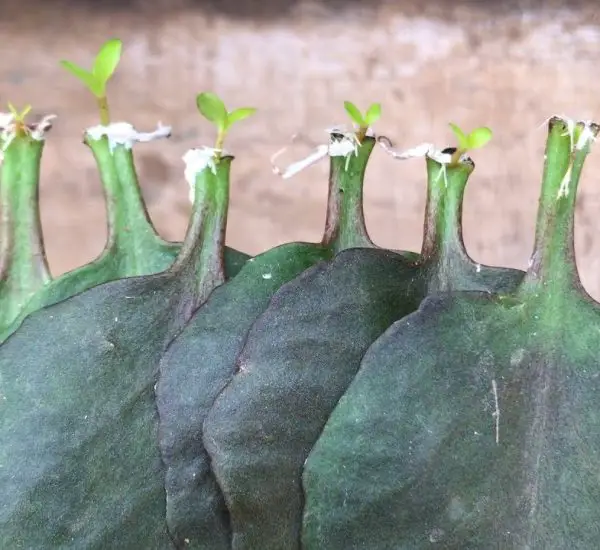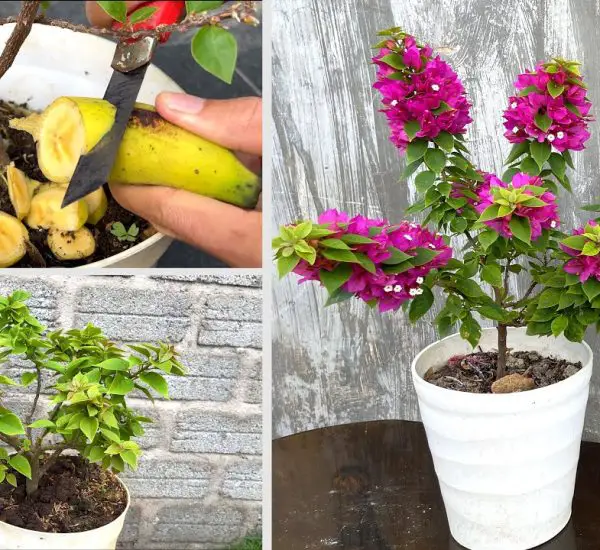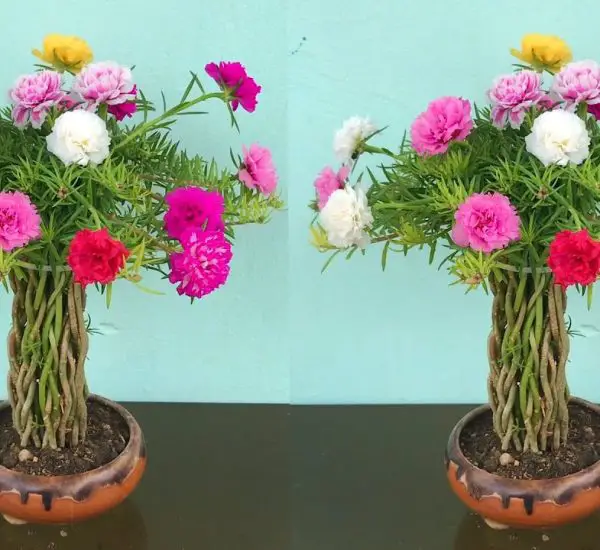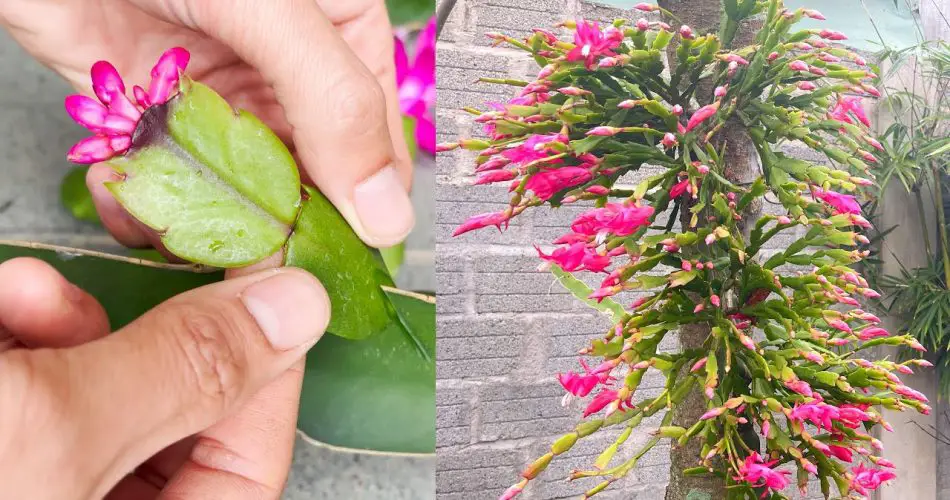
Grafting a giant Christmas cactus (Schlumbergera spp.) is an exciting way to enhance your plant collection, combining different varieties to create a stunning and unique specimen. Cactus grafting involves joining two plants so that they grow as one, allowing for enhanced growth and a unique aesthetic. Here’s a comprehensive guide to successfully grafting a giant Christmas cactus.

1. Understanding Cactus Grafting
A. What is Grafting?
- Grafting is a horticultural technique where tissues from one plant (the scion) are joined with another plant (the rootstock) so they grow together as a single plant.
- Purpose: Grafting can enhance growth, improve disease resistance, and create aesthetic combinations.
B. Benefits of Grafting Giant Christmas Cactus
- Enhanced Growth: Grafting can stimulate faster and more robust growth.
- Unique Varieties: Combine different varieties or colors of Christmas cacti to create a visually striking plant.
- Disease Resistance: Grafting onto a robust rootstock can improve disease resistance.
2. Preparing for Grafting
A. Selecting the Plants
- Scion Selection: Choose a healthy giant Christmas cactus with desirable traits such as vivid colors or unique growth habits. The scion is the part of the plant that will be grafted onto the rootstock.
- Rootstock Selection: Select a robust and compatible rootstock cactus. It should be healthy, with a well-developed root system. Common rootstocks include Opuntia or Cereus species.
B. Tools and Materials
- Sharp Knife: Use a sterilized, sharp knife or grafting tool for precise cuts.
- Grafting Tape: To secure the graft and prevent infection.
- Rooting Hormone: Optional, but can encourage faster root development.
3. Grafting Techniques
A. Choosing the Right Technique
- Cleft Grafting
- Preparation: Make a vertical cut in the rootstock to create a cleft or split.
- Inserting the Scion: Shape the base of the scion into a wedge and insert it into the cleft of the rootstock.
- Securing: Wrap the graft with grafting tape and seal any exposed areas.
- Whip and Tongue Grafting
- Preparation: Make matching sloping cuts on both the scion and rootstock.
- Joining: Fit the scion and rootstock together so the cuts align perfectly.
- Securing: Wrap the joint with grafting tape and apply a layer of grafting wax or sealant.
- Side Grafting
- Preparation: Make a horizontal cut on the rootstock and a matching cut on the scion.
- Joining: Insert the scion into the cut on the rootstock.
- Securing: Use grafting tape to hold the scion in place.
4. Post-Grafting Care
A. Watering and Humidity
- Watering: Water the grafted cactus lightly. Keep the soil moist but not soggy. Overwatering can lead to rot.
- Humidity: Maintain a low to moderate humidity level. Ensure good air circulation around the grafted area.
B. Light and Temperature
- Light: Place the grafted cactus in a bright, indirect light location. Avoid direct sunlight, which can stress the plant.
- Temperature: Keep the cactus in a temperature range of 65-75°F (18-24°C). Avoid extreme temperature fluctuations.
5. Monitoring and Troubleshooting
A. Successful Graft Indicators
- Union Growth: The grafted area should show signs of healing and integration within a few weeks. Look for new growth emerging from the scion.
- Firm Attachment: The scion and rootstock should be securely joined. If the graft feels loose, re-wrap with grafting tape.
B. Common Issues
- Graft Failure: If the graft fails, ensure that the plants are compatible and that the grafting technique was correctly applied.
- Pests and Diseases: Watch for signs of pests or diseases. Use appropriate pesticides or fungicides as needed.
6. Advanced Tips for Successful Grafting
A. Choosing Varieties
- Color Combinations: Experiment with different varieties of Christmas cacti to achieve interesting color combinations or unique flower shapes.
- Growth Habits: Select varieties with complementary growth habits to ensure a balanced and aesthetically pleasing graft.
B. Long-Term Care
- Fertilizing: Feed the grafted cactus with a balanced cactus fertilizer during the growing season to support healthy growth.
- Repotting: Repot mature plants every 1-2 years to refresh the soil and provide more space for growth.
In Summary
Grafting a giant Christmas cactus is a rewarding process that allows you to create a unique and visually stunning plant. By selecting the right plants, using appropriate grafting techniques, and providing careful post-grafting care, you can successfully combine different varieties into a single, spectacular cactus. Enjoy the process and the beautiful results of your grafting efforts!