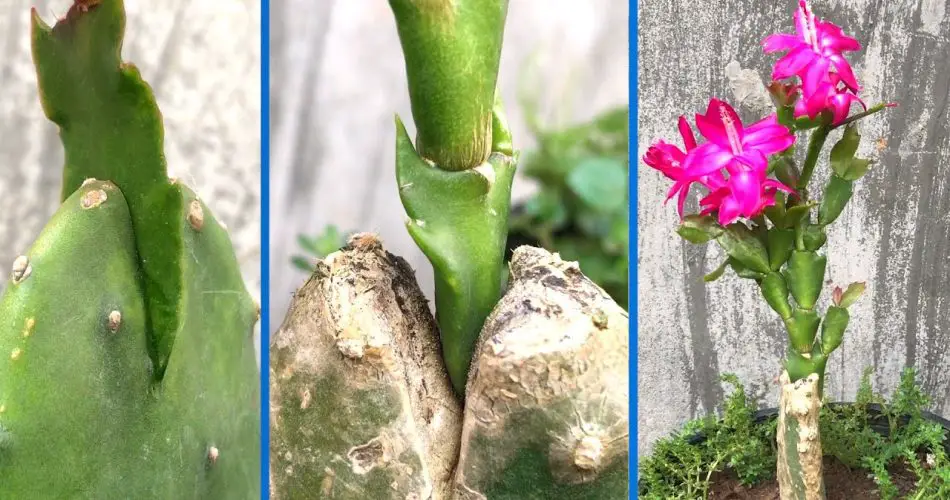
Cactus enthusiasts are always looking for unique ways to grow and display their favorite plants, especially when it comes to creating stunning flowers. Grafted cactus Christmas, also known as Schlumbergera, is a popular choice for creating vibrant holiday displays, but with a twist—you can also enjoy May blooms with a simple but effective technique: cactus brush grafting. This method allows gardeners to combine different cactus species and create a hybrid plant that produces beautiful flowers outside the usual holiday season.
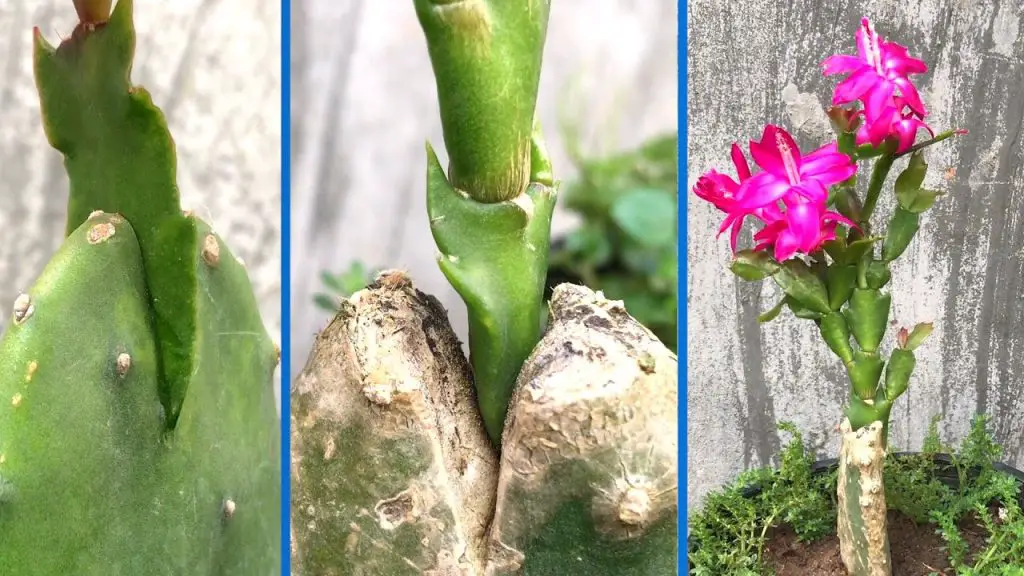
What is Grafted Cactus Christmas?
The Grafted Cactus Christmas is a hybrid cactus that typically blooms in late November to December, making it a favorite for holiday decorations. The plant is often grafted onto a rootstock (a different cactus species) to enhance its growth and blooming potential. By grafting onto a sturdy rootstock, you can ensure that the cactus receives enough nutrients, resulting in healthier, more robust growth and a more vibrant display of flowers.
The traditional Christmas cactus has flat, segmented stems and produces bright, vibrant flowers in a variety of colors, including pink, red, and white. With grafting, it’s possible to extend its bloom time and even create flowers outside of the typical Christmas period—such as in May.
What is Cactus Brush Grafting?
Cactus brush grafting is a specialized grafting technique that involves using a brush-like tool to apply a specific technique to graft two cactus plants together. The technique typically involves using a fine brush to spread grafting paste or gel to the wound areas of the cactus, ensuring a more precise and effective connection between the rootstock and scion (the grafted part).
The brush tool allows for a cleaner and more controlled grafting process, which is especially important for delicate cacti like the Christmas cactus. This method helps improve the success rate of grafts and promotes healthier plant growth.
How to Graft Cactus Christmas for May Blooms
Using cactus brush grafting to create a Grafted Cactus Christmas that produces blooms in May is a simple yet effective method. Follow these steps to successfully graft your cactus and enjoy beautiful blooms outside the usual holiday season.
Materials You’ll Need:
- Christmas cactus cutting (scion)
- Rootstock cactus (such as the Hylocereus variety)
- Grafting paste or gel
- Cactus brush (a fine-bristled brush)
- Sharp knife or scalpel
- Rubber bands or grafting clips
- Sterile tools (to prevent infection)
Step-by-Step Guide:
Step 1: Select the Scion and Rootstock
- Choose a healthy Christmas cactus cutting (scion) with strong stems and a healthy node (the area where roots or flowers will develop).
- Select a robust rootstock cactus that is compatible with the Christmas cactus. Hylocereus (pitaya) is a common choice, as it provides strong support and encourages rapid growth.
Step 2: Prepare the Grafting Area
- Cut the rootstock: Using a sharp knife, cut the top off the rootstock cactus, making a clean, flat surface.
- Prepare the scion: Cut the bottom of the Christmas cactus stem at a 45-degree angle to match the shape of the rootstock.
Step 3: Apply Grafting Paste
- Use a cactus brush to gently apply grafting paste or gel to the cut surfaces of both the rootstock and the scion. This paste helps protect the graft from infection and facilitates the union between the two plants.
Step 4: Graft the Scion onto the Rootstock
- Carefully align the cut surfaces of the scion and rootstock, ensuring they fit together snugly. The vascular tissues of both parts should be in direct contact for the graft to succeed.
- Secure the grafted parts with rubber bands or grafting clips to keep them in place while they heal. Be sure the graft is tight but not crushed.
Step 5: Provide the Right Environment
- Place the grafted cactus in a warm, bright location with indirect light. Avoid direct sunlight, as it can stress the grafted plant.
- Keep the grafted cactus in a humidity-controlled environment, such as a plastic dome or a plastic bag, to prevent moisture loss and encourage healing.
Step 6: Monitor and Care for the Grafted Cactus
- Over the next few weeks, monitor the graft for any signs of failure or infection. Make sure the grafted parts are healing well.
- Once the graft has successfully healed, and new growth begins to appear, you can remove the rubber bands or clips.
Encouraging May Blooms
Once the graft has taken, you can encourage May blooms by adjusting the plant’s care:
- Light: Provide your grafted cactus with bright, indirect sunlight during the growing season to encourage healthy growth and more flower buds.
- Watering: Water your cactus sparingly, allowing the soil to dry out between waterings. Be careful not to overwater, as this can cause the plant to rot.
- Temperature: Maintain a warm temperature, ideally between 65-80°F (18-27°C), to encourage blooming. Avoid drastic temperature changes.
- Fertilizing: Use a balanced fertilizer during the growing season to provide essential nutrients that promote flower production.
Why Grafting Cactus Christmas Works for May Blooms
By grafting the Christmas cactus onto a stronger rootstock, you can create a healthier, more resilient plant. The Hylocereus rootstock provides extra support, ensuring the cactus can thrive even in different environments and bloom outside of its usual timeframe.
The cactus brush grafting technique ensures a precise graft, improving the chances of success and faster recovery for the grafted plant. This method offers gardeners a unique opportunity to enjoy the vibrant blooms of the Christmas cactus not just during the holiday season but also in the warmer months, such as May.
Conclusion
Creating a Grafted Cactus Christmas that produces blooms in May is an exciting and rewarding way to enjoy your favorite cactus year-round. By utilizing the cactus brush grafting technique, you can ensure a successful graft that enhances the beauty and longevity of your cactus. Whether you’re an experienced cactus grower or a beginner, this method offers a fun and effective way to enjoy vibrant cactus flowers outside the typical blooming season.